Right on the heels of another Film & TV Festival announcement from South by Southwest (SXSW) we're seeing familiar faces on the other side of the fourth wall. This time, the topic is two conferences: Film & TV and Innovation, which will highlight people known in each sphere as they speak on panels. SXSW and its more than 600 sessions will be held March 12-18.
A press release picks out some of the most notable additions to the lineup, as follows (shortened for brevity):
Film & TV Conference sessions:
- Albuquerque Aftermath: From Breaking Bad to Pluribus — with creator Vince Gilligan, star Rhea Seehorn, composer Dave Porter, costume designer Jennifer Bryan, producer Trina Siopy and President of Sony Pictures Television Studios Katherine Pope.
- A Waste of Time with Larry David and Jeff Schaffer — with [comedian] Larry David, [director] Jeff Schaffer, and LA Times’ Lorraine Ali.
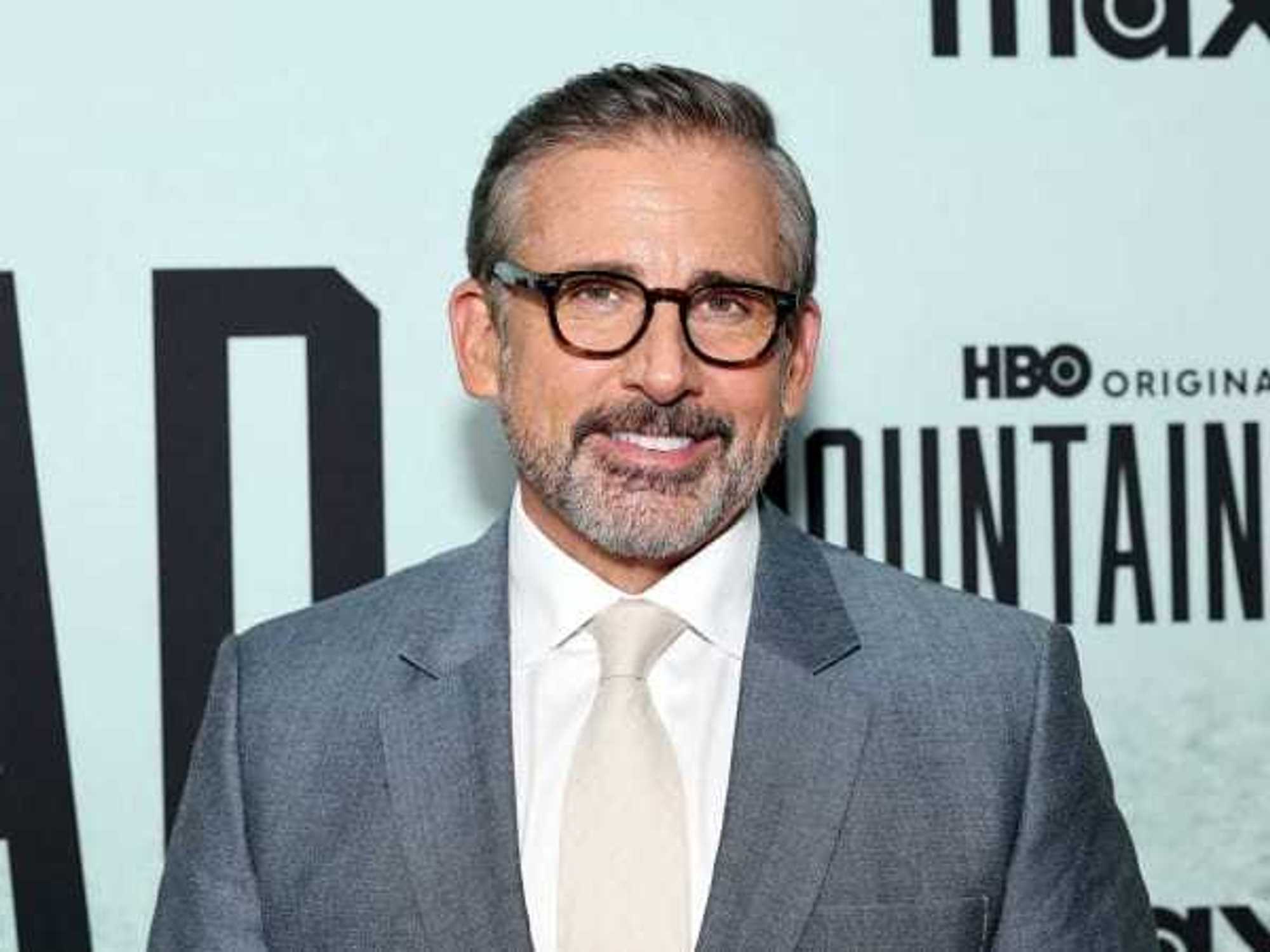
- Cast and Creators on HBO's ROOSTER — with series co-showrunners Bill Lawrence and Matt Tarses, executive producer and series star Steve Carell, and cast members Danielle Deadwyler and Charly Clive.
- Jamie Lee Curtis. If Not Now, When, If Not Me, Who? Pivoting and Manifesting! — with actor, producer, author, and activist Jamie Lee Curtis.
Innovation Conference sessions:
- A Conversation with Nothing's CEO and Co-Founder Carl Pei — with [consumer electronics brand exec] Carl Pei.
- The Guardian in Conversation with Mahmoud Khalil on the Cost of Dissent — with [Algerian-Palestinian activist/political prisoner] Mahmoud Khalil, The Guardian’s US Editor Betsy Reed and Legal Director of the Center of Constitutional Rights Baher Azmy.
- Ibogaine in America: The Parable of Our Time —with [veteran] Marcus Luttrell, [neuroscience/psychology professor] Dr. Gul Dolen, [CEO of Americans for Ibogaine] Bryan Hubbard, and former Texas Governor Rick Perry.
- Real-World Impact of AI: Opportunities, Risks and Intellectual Property Oh My! — with The Hon. Michelle K. Lee, founder and CEO of Obsidian Strategies and former Under Secretary of Commerce for Intellectual Property and Director of the United States Patent and Trademark Office (USPTO).
This year attendees can safeguard their presence at sessions that are important to them by selecting them in advance. Guests with Platinum badges get three reservations per day, while those with Innovation, Music and Film & TV badges get two. Reservations can also be made for comedy shows, and mentor sessions and workshops do not count for daily limits.
Guests will really have to plan ahead for these reservations: they open February 19 and 26 at 9 am for Platinum badge holders and festival badge holders, respectively. They can be made through the web schedule or SXSW GO app.
Today's announcement also contained information about the SXSW Community Service Awards, which are given to local individuals and organizations. This year's recipients (also in SXSW's shortened language) are:
- Awais Azhar, Executive Director of HousingWorks Austin, a nonprofit organization that aims to increase the supply of affordable housing in Austin.
- Mary Bailey, dedicated social justice advocate and co-founder of the Last Prisoner Project, which fights to release every cannabis prisoner and support their reentry into society.
- Taylor McGraw, Co-Founder and Executive Director of The Bell. [McGraw is] a nationally recognized leader in youth-led journalism, shifting the organization’s student reporting from the classroom directly to the halls of power.
- Francene Blythe-Lewis, President and CEO of Vision Maker Media, the longest-running Native American media organization, a cornerstone of Indigenous public broadcasting.
- Jonathan 'Chaka' Mahone, visionary storyteller, one-half of the award-winning hip hop duo Riders Against the Storm, and founder of DAWA, a safety net for People of Color that are experiencing short term life crisis.
Platinum and Festival Badges ($1,995 or $820-1,395, respectively) are on sale now at sxsw.com. These badges give attendees priority access to certain events.