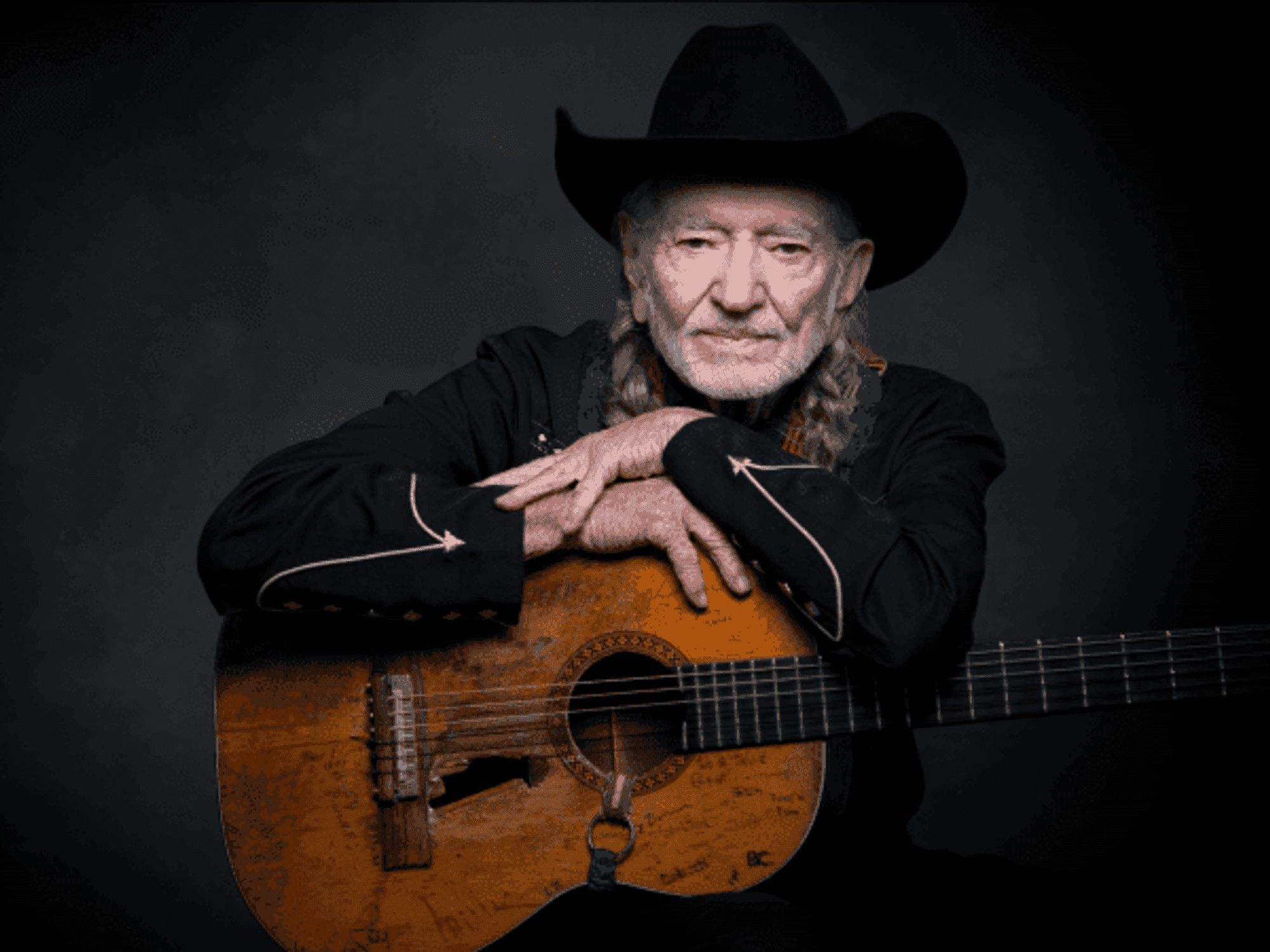
The soon-to-be 93-year-old Willie Nelson will headline his annual Outlaw Music Festival Tour, which will come to the Germania Insurance Amphitheater in Austin on Friday, July 4. The Austin date is always a special one, known as Willie Nelson's Fourth of July Picnic.
The star-laden tour will travel to 12 cities in July and August, including dates in the Dallas-Fort Worth suburb Irving and Houston suburb The Woodlands on July 3 and 5, respectively.
Nelson will be joined by a variety of big names over the course of the tour. Austin will see Willie Nelson & Family, Billy Strings, Wilco, Sheryl Crow, Lukas Nelson, Stephen Wilson, Jr., Rodney Crowell, Margo Price, and Liley Meola.
Nelson will be making fewer appearances on the road this year, giving each night of this tour added significance as a rare chance to experience a living legend alongside the powerhouse lineup.
“Being on the road and playing for the fans is what I love to do," said Nelson in a statement. "We don’t get to do as many shows as we used to, so every night out there means a little more. I’m looking forward to seeing everyone and making it a special time.”
The iconic singer continues to release music at a prodigious pace. After releasing two new albums in 2025, he will put out his 104th album, Dream Chaser, at the end of May.
Tickets for the tour go on sale to the general public on Friday, March 27, at 10 am at OutlawMusicFestival.com and Ticketmaster.com.
Citi card members will have early access to presale tickets, available now through Thursday, March 26 until 10 pm via the Citi Entertainment program.
2026 OUTLAW MUSIC FESTIVAL TOUR DATES
- July 3: The Pavilion at Toyota Music Factory - Irving, TX
- July 4: Germania Insurance Amphitheater - Austin, TX (Willie Nelson Fourth of July Picnic)
- July 5: The Cynthia Woods Mitchell Pavilion - The Woodlands, TX
- August 18: Hollywood Casino Amphitheater - Maryland Heights, MO
- August 19: Mystic Lake Amphitheater - Shakopee, MN
- August 21: Alpine Valley Music Theatre - East Troy, WI
- August 22: Pine Knob Music Theatre - Clarkston, MI
- August 23: Ruoff Music Center - Noblesville, IN
- August 25: Credit Union 1 Amphitheatre - Tinley Park, IL
- August 28: Northwell at Jones Beach Theater - Wantagh, NY
- August 29: Bethel Woods Center for the Arts - Bethel, NY
- August 30: Albany Med Health System at SPAC - Saratoga Springs, NY