South by Southwest (SXSW) got a haircut for its 2026 festival that shortened it from its typical run, but locals can still expect a similar level of mass tourism and traffic infiltrating downtown from March 12-18. Many will avoid it as much as possible, but for others, spending time in town is unavoidable.
We've got several ideas on how to escape the SXSW madness — especially for locals — without giving up on fun. From a casual night of live music at a coffee shop in South Austin to spending St. Patrick's Day weekend in a different Texas city altogether, there's plenty of fun to be had that don't involve AI conference panels or brand activations.
For a zoomed-out look at other spring break trip ideas around the state that avoid Austin, check out CultureMap's monthly Texas travel guide.
Here are our top picks for non-SXSW events to look forward to for the next week.
Events happening downtown
Live From New York! The Making of Lorne Michaels at Harry Ransom Center
Through March 22
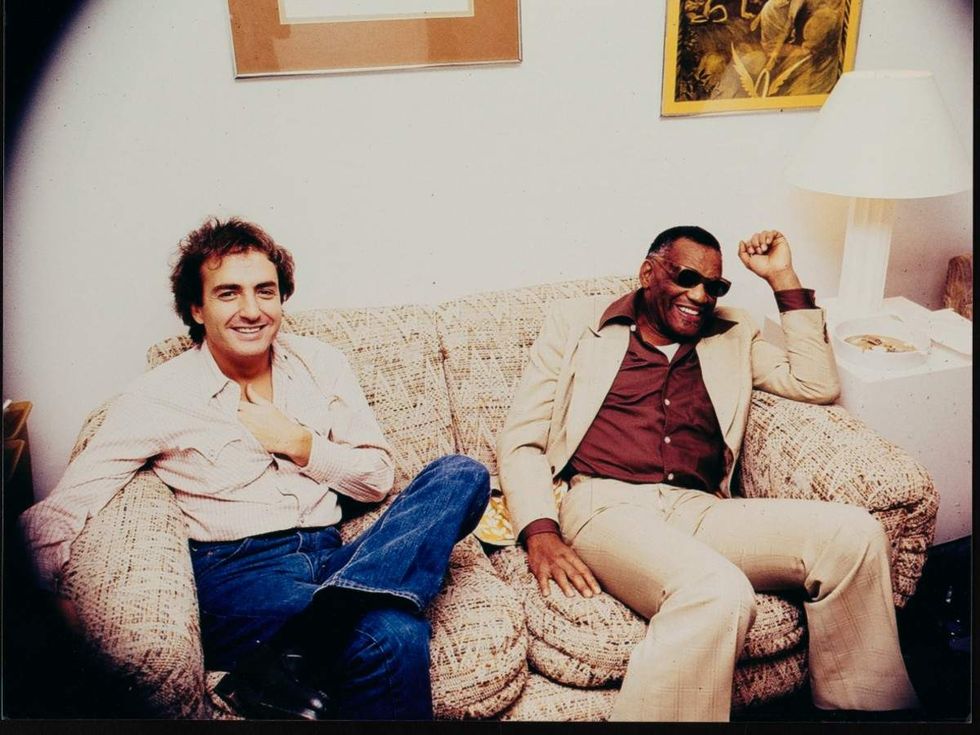
The humanities research center at The University of Texas at Austin generated a lot of buzz in 2025 when Saturday Night Live creator and executive producer Lorne Michaels donated his personal archive to the museum, which is still on view as a public exhibition. The collection contains behind-the-scenes rehearsal notes for SNL, Coneheads dailies, annotated Mean Girls scripts, and much more. Admission to the Harry Ransom Center is free.
The Great Gatsby at Bass Concert Hall
March 10-15
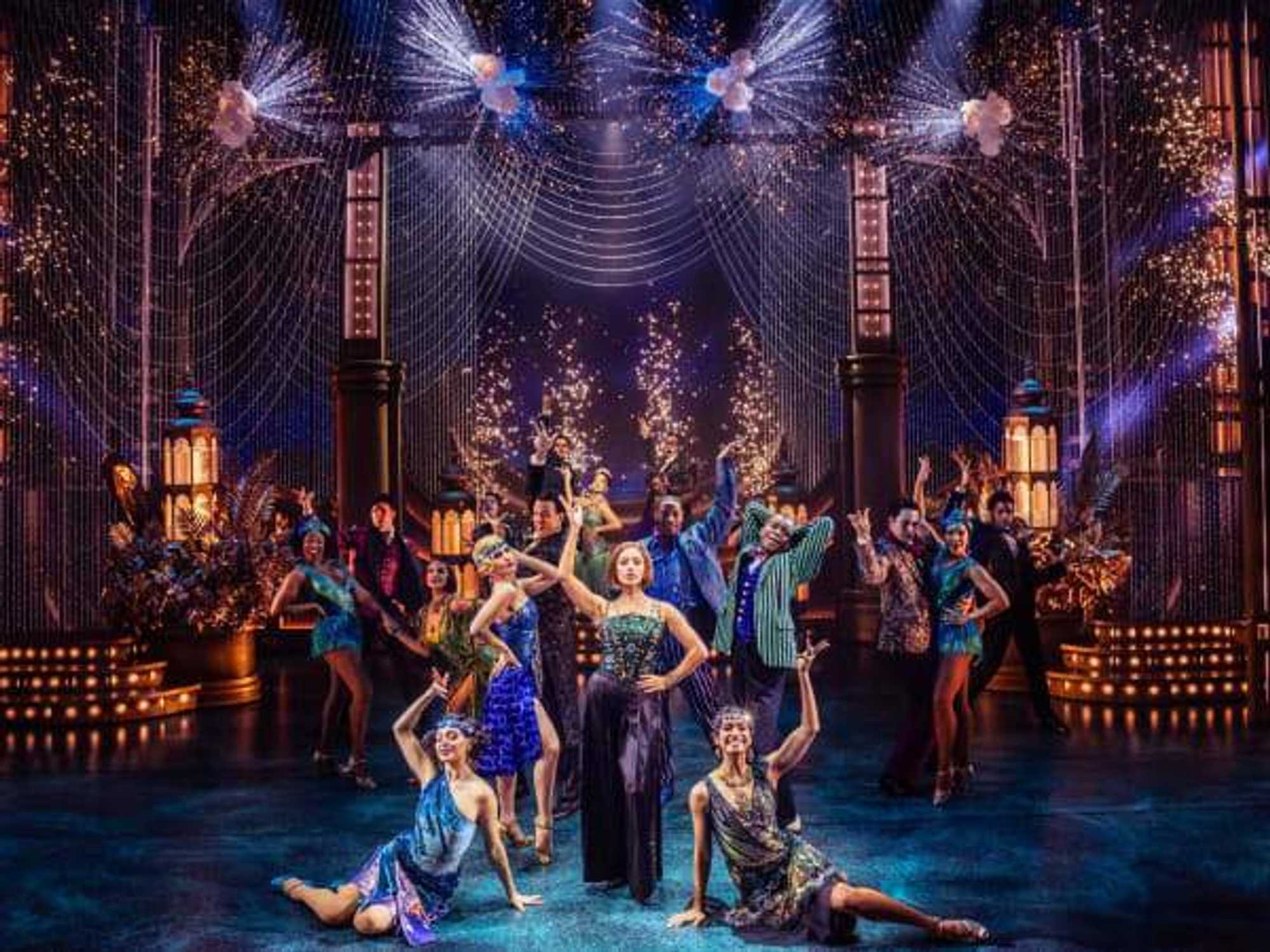
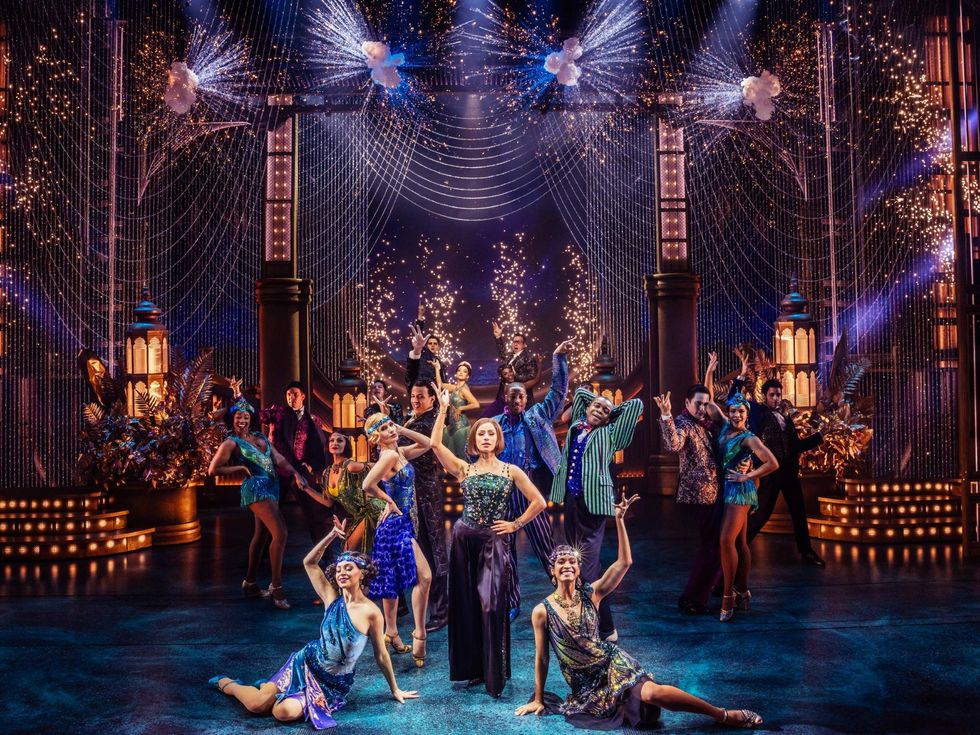
Broadway in Austin is bringing F. Scott Fitzgerald's iconic novel set during the "Roaring Twenties" to the stage. The Tony Award-winning musical, directed by Marc Bruni (Beautiful: The Carole King Musical), features a jazz- and pop-influenced original score by Jason Howland (Little Women) and Nathan Tysen (Paradise Square), and it's choreographed by Dominique Kelley (So You Think You Can Dance). Tickets range from $48-$210.
Events happening outside downtown
Friday the 13th at Jourdan-Bachman Pioneer Farms
March 13 at 7 pm
This haunted farm and history museum in North Austin will host a 2.5-hour guided paranormal investigation to honor the spirit of Friday the 13th. Equipment will be provided during the tour of the property, allowing visitors to explore the area and to "harness the energetic changes" that the day will bring. Tickets are $45 per person.
Second Saturdays Are for Families at The Contemporary Austin Laguna Glorida
March 14 from 11 am to 3 pm
The Contemporary Austin's Laguna Gloria campus hosts creative art-making experiences on the second Saturday of every month, and March's event is a bike-themed extravaganza inspired by Monika Sosnowska’s circular sculpture The Stairs. Austin-based nonprofits Yellow Bike and Parents' Climate Community will also join in on the "cycle-centric fun." Admission for the event is free.
Boilin' Good Times at Little Woodrow's Parmer
March 14 starting at 2 pm while supplies last
Neighborhood bar chain Little Woodrow's is celebrating crawfish season with seafood boils across all of its Texas locations in March, and the Parmer Lane location (6301 W .Parmer Ln., Suite 501) will have live music from local blues band Gumbo YaYa to accompany guests while they enjoy their plates of mudbugs, cold beer, and the casual backyard atmosphere.
Wrestlepotamia by Fight Opera at Austin Beerworks Sprinkle Valley
March 14 starting at 7 pm
Fight Opera is doing the work of keeping Austin weird, amassing a large fanbase for live wrestling shows at North Austin brewery Austin Beerworks. Returning characters, impressive DIY set design, absurd storylines, and real wrestling moves make this growing local tradition one it's easy to get invested in. The show is free, but guests who want to chip in should purchase drinks, food, and merch.
Bluegrass Night at Radio Coffee & Beer
March 16 at 7 pm
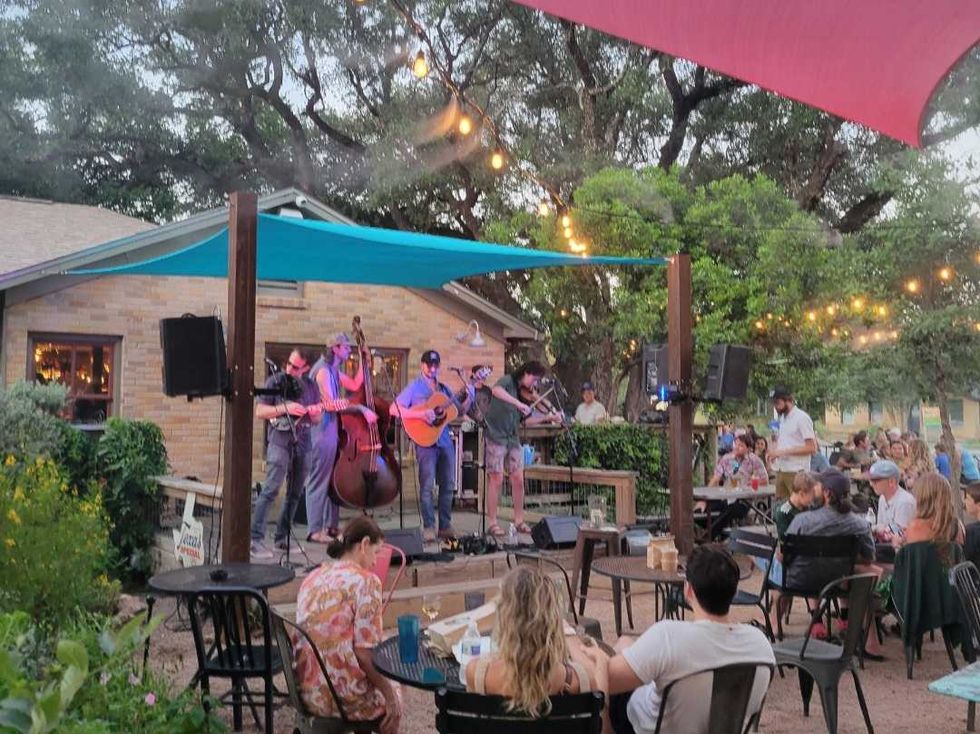
Radio Coffee & Beer's South Austin location (4204 Menchaca Rd.) hosts a weekly concert featuring local band The Bluegrass Outfit every Monday night. The band is a rotating collective of musicians who have been in cahoots for more than a decade. The vast community they've created over years of free concerts means visitors should arrive early to secure a good spot in the yard. Radio also has four on-site food trucks for diners.
Events outside Austin
Pet Pfest at the Pflugerville Library
March 14 from 2-4 pm
The Pflugerville Library is celebrating animal companions of all kinds with its annual spring break Pet Pfest. Local animal rescues like Austin Guinea Pig Rescue, Central Texas Dachshund Rescue, Final Frontier Rescue, and others will be on-site with pets available for adoption, and other vendors in the lineup include Emancipet and Pflugerville Animal Welfare Service (PAWS). Attendees can also expect a special performance from Lone Star Disc Dogs. Admission is free.
St. Patrick's Day Festival & River Parade in San Antonio
March 14-15
Austinites can spend the weekend away from all the tourists and traffic with a visit to the Alamo City for St. Patty's Day. Festivities start at 1 pm on Saturday, and the public is invited to the River Walk to watch the river get dyed emerald green (with eco-friendly dye) from 1-2 pm, and the themed parade will begin at 6:30 pm at Arneson Theatre. The celebration continues on Sunday with live entertainment at from 1-6 pm at La Villita, and a lucky dog fashion show from 2:30-3:15 pm.
Sherwood Forest Faire in McDade
March 14-15
Don your best medieval attire and practice your accent for Central Texas' premier renaissance festival, running every weekend in March. The fair hosts live performances across multiple stages, plus all the pub food you can eat, merchant shops, wedding venues, a complete castle, and more. Single day tickets range from $16.59-$33.48 per person.