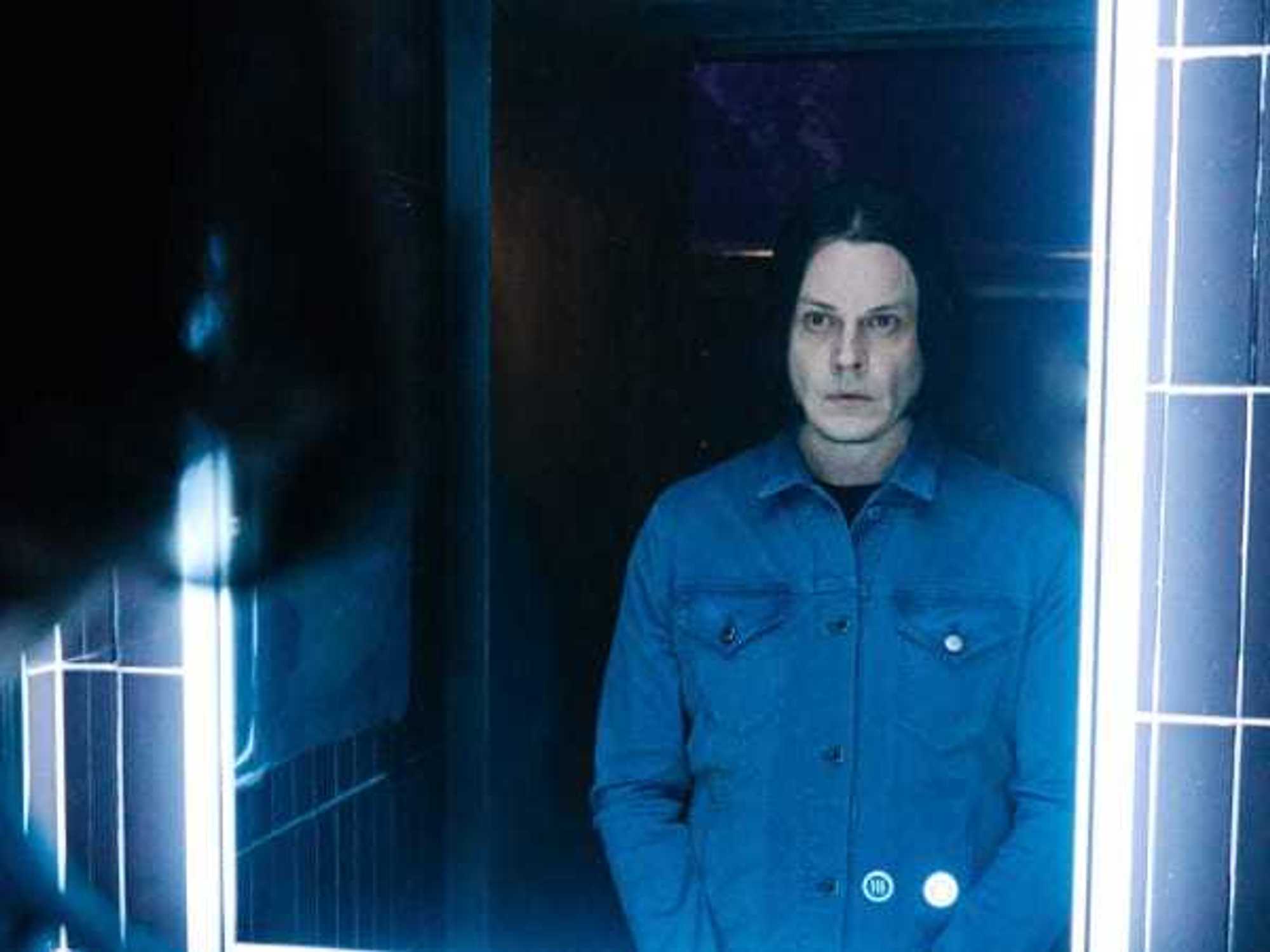
Rock star Jack White has announced plans for the North American leg of his international headlining tour, including two dates in Texas. One is in Austin at the Moody Amphitheater on October 6.
TheNorth American leg starts July 10 in Washington, D.C., and ends November 20 and 21 in Atlanta, Georgia. Some cities get two nights, but the Austin stop is only one. In addition to Austin, White is headed to the Bomb Factory in Dallas on October 7.
White became famous as the guitarist and lead vocalist of the White Stripes, a duo with his then-wife Meg White. Their late '90s and aughts indie garage rock sound was an important influence for bands to come.
Since the formation and 2011 end of the White Stripes, White has played with The Raconteurs and the Dead Weather, and built a far-reaching solo career. His solo discography includes six albums including 2024's No Name, his most recent full release. When touring for No Name, White stopped in Austin for a surprise show.
Early in his career, he co-founded a record label, Third Man Records, with Ben Swank and Ben Blackwell; the hot Austin band Die Spitz released their most recent album, Something To Consume, through Third Man in September 2025.
Vault and artist presales for all newly announced North American dates begin Monday, April 13, at 10 am and noon local time, respectively. The general on-sale starts Friday, April 17, at 10 am.
Jack White 2026 North American Tour Dates
APRIL
11 – Indio, CA – Coachella Valley Music & Arts Festival †
JULY
10 – Washington, DC – The Anthem
11 – Brooklyn, NY – Brooklyn Paramount
12 – Brooklyn, NY – Brooklyn Paramount
14 – Toronto, ON – RBC Amphitheatre (w/ support from Angine de Poitrine)
15 – Essex Junction, VT – Champlain Valley Exposition
17 – Boston, MA – MGM Music Hall at Fenway
21 – Indianapolis, IN – Everwise Amphitheater at White River State Park
23 – Chicago, IL – Radius
24 – Chicago, IL – The Salt Shed (Outdoors)
25 – Clarkston, MI – Pine Knob Music Theatre
SEPTEMBER
18 – Cincinnati, OH – MegaCorp Pavilion
19 – East Aurora, NY – Borderland Festival †
20 – Richmond, VA - TBA †
24 – San Francisco, CA – Bill Graham Civic Auditorium
25 – Pomona, CA – Fox Theater
28 – Los Angeles, CA – Hollywood Palladium
29 -- Los Angeles, CA – Hollywood Palladium
30 – Del Mar, CA – The Sound
OCTOBER
2 – Las Vegas, NV – Fontainebleau Las Vegas
3 – Phoenix, AZ – Arizona Financial Theatre
4 – Albuquerque, NM – Revel
6 – Austin, TX – Moody Amphitheater
7 – Dallas, TX – The Bomb Factory
9 – Nashville, TN – The Truth
NOVEMBER
8 – Minneapolis, MN – The Armory
9 – Madison, WI – The Sylvee
10 – Milwaukee, WI – Landmark Credit Union Live
12 – Pittsburgh, PA – Citizens Live at The Wylie
13 – Charlotte, NC – The Fillmore Charlotte
14 – Charlotte, NC – The Fillmore Charlotte
16 – Orlando, FL – Hard Rock Live Orlando
17 – Miami Beach, FL – The Fillmore
18 – Miami Beach, FL – The Fillmore
20 – Atlanta, GA – Coca-Cola Roxy
21 – Atlanta, GA – Coca-Cola Roxy