
Go Wild
Austin wildlife pro says more animal sightings signal healthy ecosystem
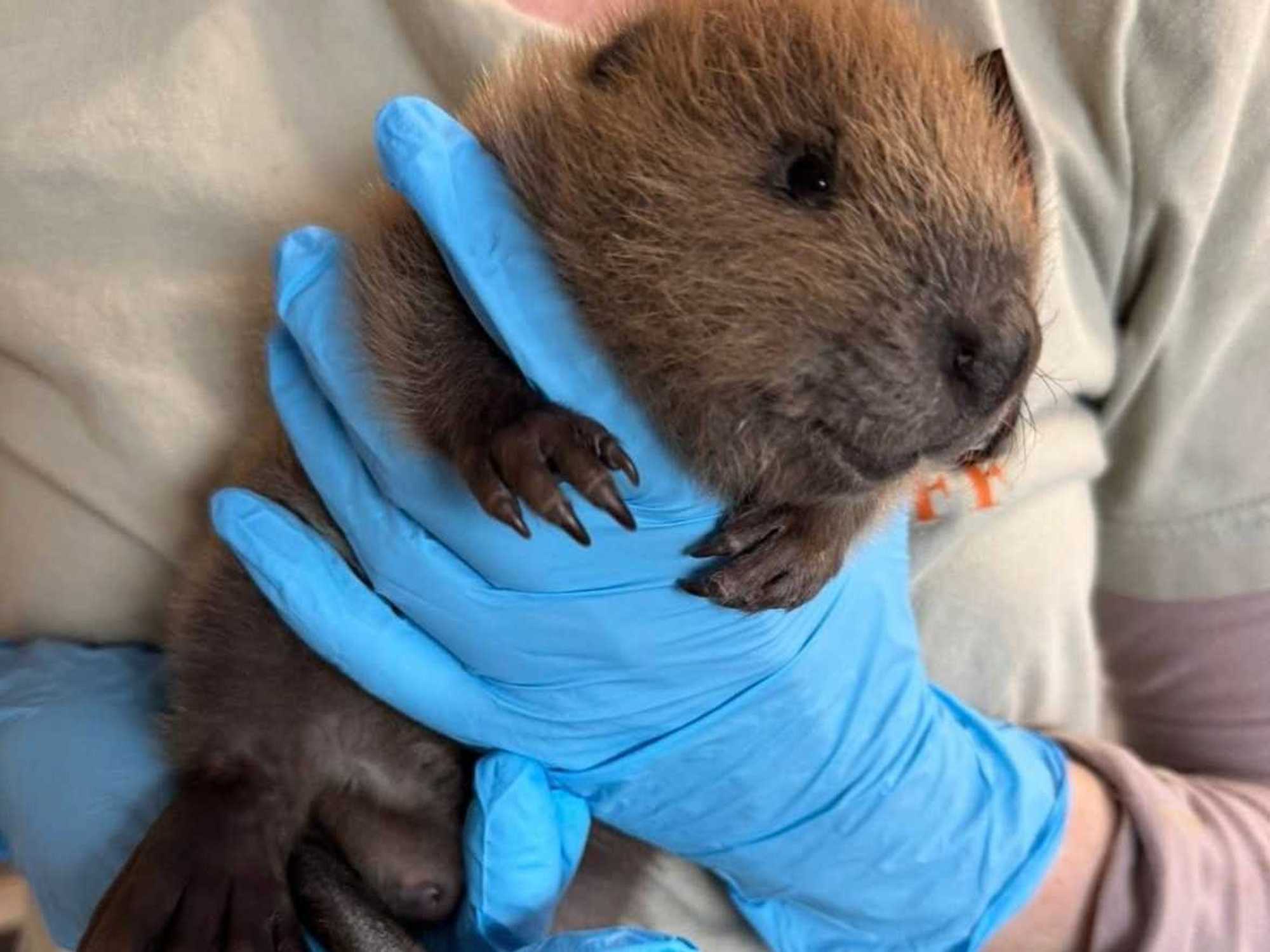
Austin Wildlife Rescue staff holding a baby beaver they took in this spring.
Otters have been gliding through Lady Bird Lake. Beavers are popping up in creeks that never had them before. Porcupines are showing up in numbers Austin Wildlife Rescue hasn't seen in a decade. Posts about the sightings have circulated on Reddit and social media in recent weeks, and according to Austin Wildlife Rescue, the uptick is real.
"I think it's probably fair to say that things like beavers and otters are increasing in number," says Austin Wildlife Rescue executive director Jules Maron, "and I think a lot of that has to do with some of the weather changing patterns that we've seen here in Central Texas."
The cause, according to Maron, is rain — specifically, more of it landing in a month that's historically been bone dry.
"July is usually a really dry, hot month, but both last year and this year ... we're getting more rain now during this time," she says.
Maron says that extra rain seems to be stitching Central Texas's waterways back together.
"I think with creeks becoming more connected, you have these new ... water highways where animals can probably travel a little further."
Beavers, which tolerate murkier water, have been the most visible beneficiaries here, with more calls and sightings reported to Austin Wildlife Rescue over the past two years. River otters are a newer phenomenon around town, and are much pickier with their water. According to Maron, otters need cleaner water than beavers do, which makes their appearance something of a compliment to the ecosystem.
"It's a good sign to see otters, because that tells me that maybe some of the waterways are a little bit cleaner," Maron says. "That can be a little bit of a litmus test as to the health of an ecosystem — when you start seeing otters around — so I think that's really good news."
Maron adds that porcupines are also increasing in number, though that's been building steadily in recent years rather than all at once. Every year, Austin Wildlife Rescue gets more and more porcupines, she says. When Maron first started at the rescue center back in 2016, they hadn't taken in a single porcupine. Last year, by comparison, they took in around 15.
Maron's advice for anyone who spots a beaver, otter, porcupine, or any wildlife: Admire from a distance and contact professionals if you have questions, rather than intervening.
"Even if you think you're going to have a friendly encounter with an animal ... you just don't know how an animal is ultimately going to react," Maron says.
An animal bite doesn't just put the person at risk, but the animal as well. The state might then require rabies testing, which means killing the animal. If an animal does appear sick, hurt, or out of place, Maron recommends calling the rescue before stepping in.
"If [people] aren't sure if wildlife is supposed to be there, or if it's doing all right, or if it needs help, they can call us first," she says. Fielding those calls, she adds, is a core part of what the rescue's intake center does all day.
Ultimately, Maron frames the uptick in wildlife as a notably good sign for the environment in and around Austin.
"If you're seeing wildlife in the area, that's a great sign that you have a healthy ecosystem," she says.
For answers about wildlife in the Austin area, call Austin Wildlife Rescue at (512) 472-9453.


 Lutie's new executive chef Jakob Czyszczon has been working in fine dining for 15 years. Photo courtesy of Commodore Perry Estate, Auberge Collection