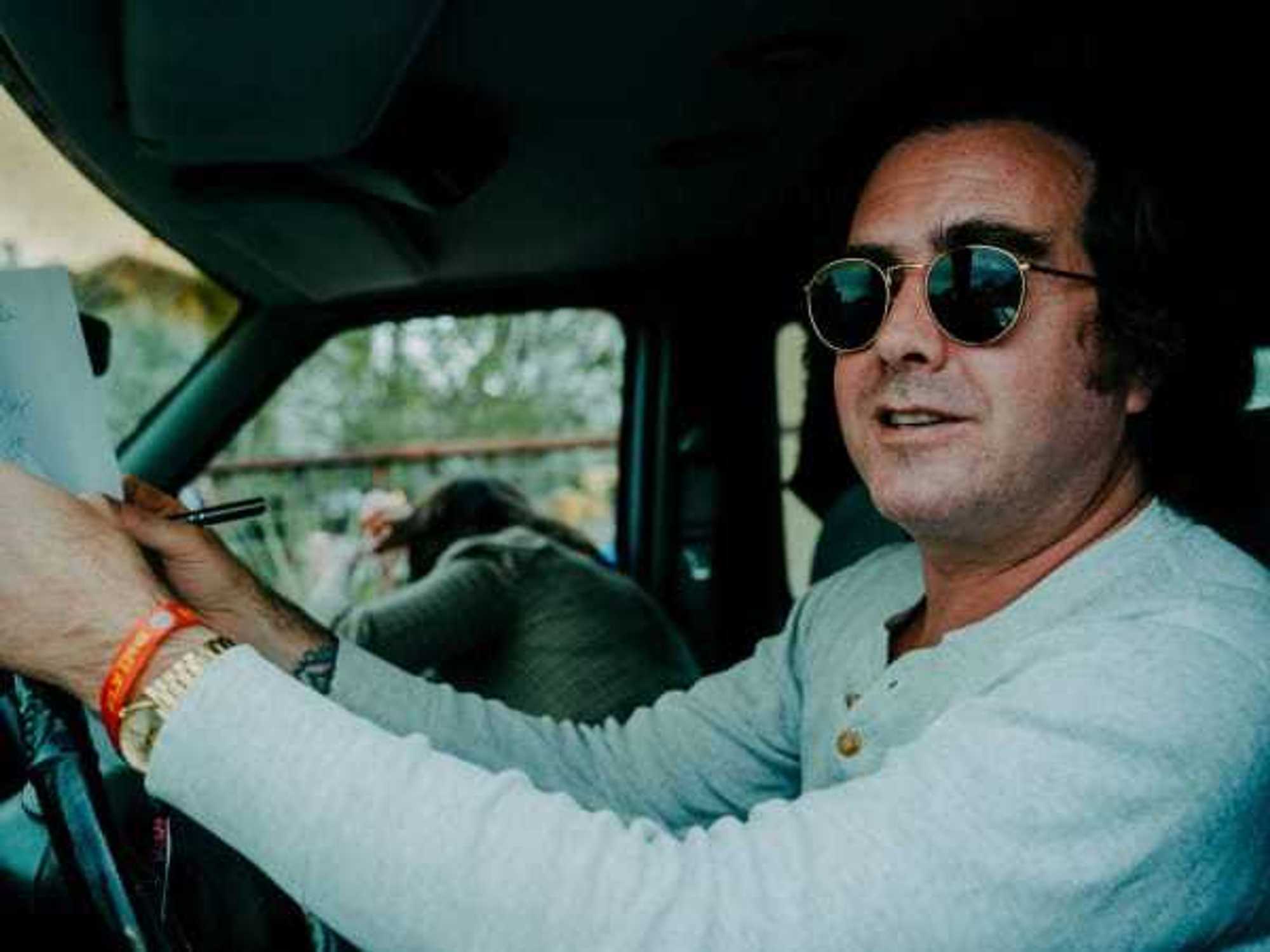
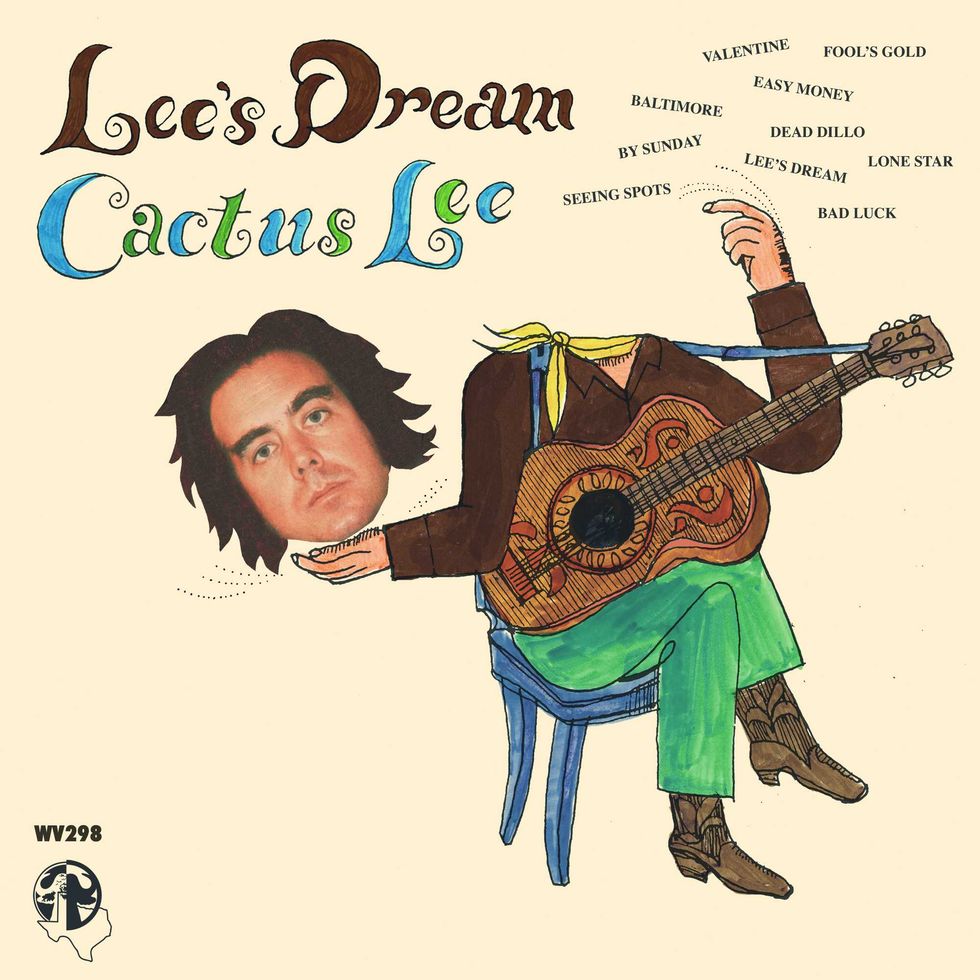
Austin songwriter Kevin Dehan, core of the always-shifting group Cactus Lee, celebrates the digital and retail release today of the new LP Lee's Dream. As luck would have it, the temperate spring day ended up being the perfect match for this laid-back collection of songs: neither relentlessly sunny nor as melancholy as the recent releases before it.
Lee's Dream, featuring instrumental performances by Jack Montesinos and Joe Roddy of The Point and Lindsey Verrill of Little Mazarn, is his second album with Western Vinyl, an Austin indie label formed in 1998.
With or without the label, Cactus Lee releases have come at a steady clip of one per calendar year since 2019, which saw two LPs including the eponymous Cactus Lee. Dehan says at first his motivation to put out albums at this speed was simply to keep up with his own inspiration.
Although being on a label affords artists more promotional resources, the promotion of each release tends to slow the growth of the overall discography. But Dehan wrote much of this album while on the road and recorded it quickly. It was ultimately the label matching his pace.
Dehan sounds like a remarkably go-with-the-flow type of songwriter — both in conversation and in the resulting tunes. Digging deeper only pulls up more of the same. After playing more "serious and slower" songs in his words on tour, he was ready to play something a little more upbeat. And Lee's Dream was born.
 Lee's Dream album cover.Image courtesy of Cactus Lee
"When I go out on tour, I'll have a batch of songs that I'm playing for that tour," says Dehan. "And then it's easy to think about what style of songs would be fun to play. So if I'm out there and I'm like, I need more songs that are upbeat ... then I'll focus on that."
The track "Easy Money," one of the more upbeat and old-fashioned songs on the album, was the first written for the record and was inspired by a visit to a replica of Guy Clark’s basement room, where Dehan reflected on the time the legendary iconic country singer-songwriter and luthier spent time working, writing, and smoking cigarattes. It seems to share some distant DNA with the Bob Dylan jaunt-turned-standard "Don’t Think Twice, It’s All Right," both of them pleasant tunes delivering sarcastic send-offs: "Kick me down the road, honey, I'm easy money."
Other tracks like "Dead Dillo," "Bad Luck," and "Fool's Gold" might make fans question if this really is a happier album, but there's always a silver lining — enjoying getting older, being by someone's side in a "heavy time," or just riding out a dreamy guitar solo.
This tonal dichotomy that's all over the album is one of the best longtime traditions in country music, and it's completely reasonable for listeners to describe Cactus Lee as a country project. Producer Billy Horton even "pushed Dehan toward classic country songs and production choices" while recording in his Wyldwood studio, according to press materials for Lee's Dream. However, Dehan doesn't identify much with the country label, invoking the country mainstream as a foil to his own tunes.
"I'm from Texas, so I make music that is, I think...a Texas type of music. A friend of mine has said it's more of like an Austin kind of music, which combines more blues and country," he says. "I mean, I won't get played on country radio, ever."
If the genre is just Austin, so be it. That's all the better for a town that loves self-referential art.
"I think it's partly from just not having left Austin, and then you get deeper into seeing what's around you," Dehan says.
Cactus Lee is playing a release show April 10 at midnight at the Continental Club. Calder Allen goes on in the slot before, starting at 10 pm.
Lee's Dream is available to stream and purchase on Bandcamp and other major streaming platforms. Vinyls were released February 21 and are still available.


 Lee's Dream album cover.Image courtesy of Cactus Lee