Singer LeTrainiump Richard stood on the stage at Parc International in Lafayette, Louisiana, last Friday night thinking his weekend had already peaked.
The Austin-based alt-R&B pop artist — who describes his music as what might happen if “Michael Jackson, Bruno Mars and the 1975 all have a baby” — had waited 10 years to play Downtown Alive!, a Lafayette event he had long hoped to headline.
But then his weekend got bigger.
Richard’s wife, Dominique, who is also his manager, told him he had about 30 minutes to decide: Could he make it back to Austin to fill in on the BeatBox stage Saturday afternoon during ACL Fest’s first weekend?
"My heart started racing,” Richard says.
He said yes. As soon as he finished the Lafayette gig, Richard gathered his bandmates and started the long drive back to Austin. By the time they reached Zilker Park, Richard and his band were heading into a surreal opportunity: a last-minute ACL slot, an abbreviated set delayed by a muddy field and about two hours of sleep.
Richard doesn't label that last-minute call lucky. It was the result of hard work.
“Because I was ready, because I was top of mind, because I’d already been having motion and playing shows and popping up in places on enough people’s minds, I was the first person that somebody knew that called me.”
For another Austin act, Almost Heaven, the invite came by email. Stefan Barraza and Jaelyn Valero found out in Barraza’s home studio. “We stood up and jumped in circles and hugged,” Barraza says.
Montclair learned they would make their ACL debut after a strong showing at SXSW. Manager Grant Pittman got the offer by email from C3 Presents and called singer Casen, who missed the call because he was in the shower. When Casen called back, Pittman said, he was “ecstatic and couldn’t believe it.”
For Austin-based Lluvii, ACL was the cherry on top of a breakout month. The Latin alternative band was named KUTX’s October Artist of the Month before getting its offer from C3.
“I saw it first, called everyone and we all celebrated by going to DeNada Cantina,” said Sophia Nance, who plays synth and violin.
For Austin bands that know the reputation of ACL Fest, the break to make it to one of the stages seems bigger, and sweeter.
LeTrainiump Richard
BeatBox stage, Saturday, October10, 2 pm
Richard grew up in Mamou, a small Louisiana town known for Zydeco. Later, he took his career to New Orleans, where he worked his way up to halftime shows for the New Orleans Pelicans and appearances at Jazz Fest.
Then a friend told him that if he wanted to push his music further, Austin was the move. Two years ago, Richard relocated with his wife, Dominique, their two young children and his band, betting that the city’s live music scene could help him build something bigger.
He started with smaller rooms, including a weekly residency at Hotel Vegas, then moved up to Stubb’s indoor stage, Mohawk and Antone’s.
His band members eventually moved back to New Orleans, but they kept driving in for Austin shows.
“It’s not just about the talent,” Richard says. “Sometimes you got to do the politics.”
For him, that meant playing often, meeting people and staying visible in a city where a last-minute opening can become a career-changing call. After filling in during ACL Fest’s first weekend on about two hours of sleep, Richard was invited back for Weekend Two.
“As a local Austin artist, getting the opportunity to play ACL — it does way more for you than you think,” Richard says. “It does more for your career afterwards.”
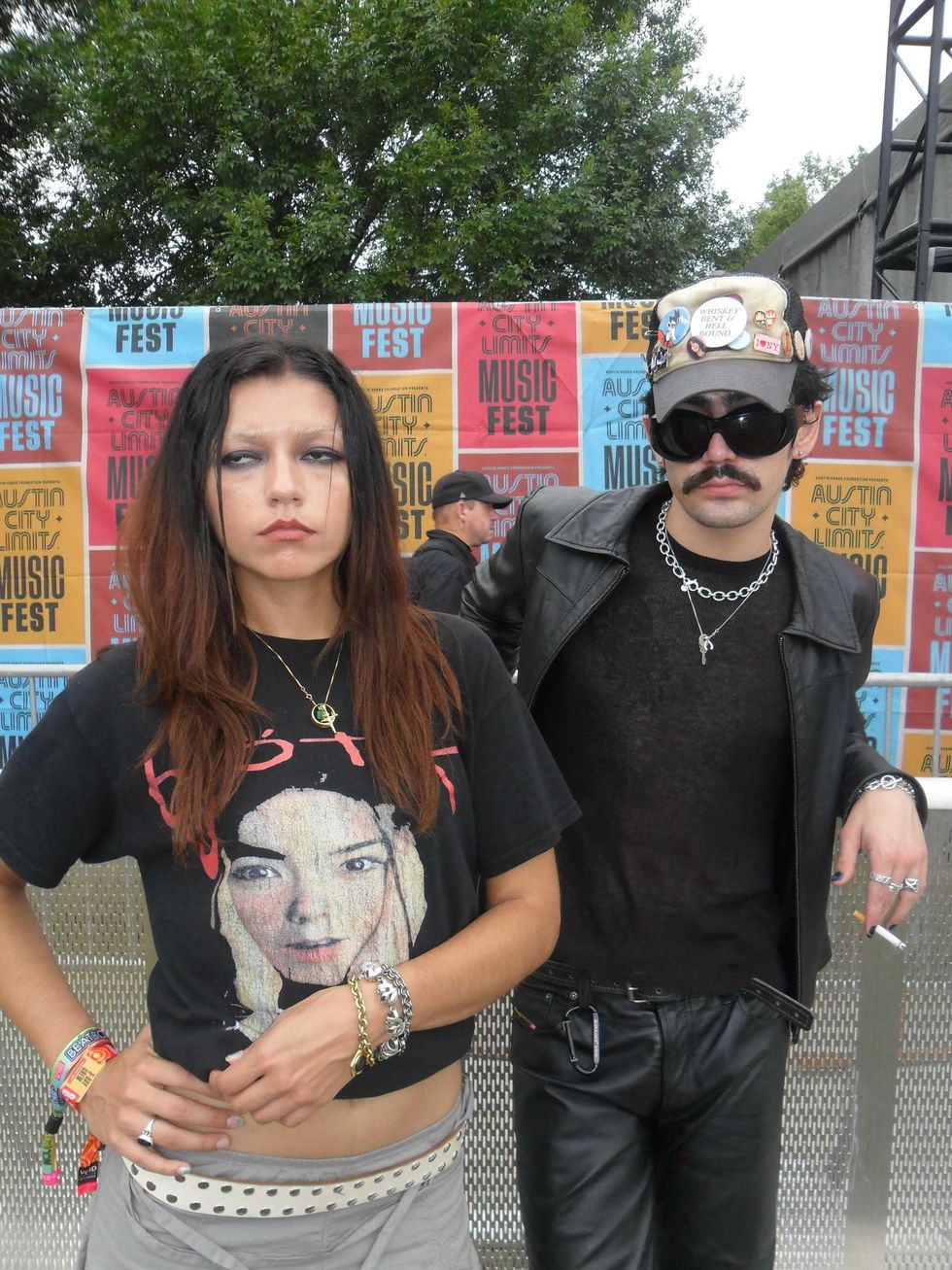
 Austin synth band Almost Heaven makes its ACL Fest debut this year.Almost Heaven/Instagram
Almost Heaven
Tito’s stage, Friday, October 9, 12:45 pm
Almost Heaven, the Austin-based duo of producer Stefan Barraza and drummer and co-songwriter Jaelyn Valero, released their debut EP, Raw Cranium, in January.
The duo makes synth-driven indie dance music, mixing post-punk, electronic pop and live drums into a sound its team compares to LCD Soundsystem and Yeah Yeah Yeahs. The project started after Barraza moved from El Paso to Austin two years ago and met Valero, who was born and raised in Austin.
Valero also puts on shows through Locket Magazine, while Barraza co-founded Raw Cranium Records with Dallas Cawley in 2025.
“In just two short years, this community has made me, at times, forget that I’m not from Austin,” Barraza says.
The pair got an early taste of ACL during Weekend One with a secret DJ set, where they got to “share moments with other local artists and talk about how proud of each other we were,” the duo wrote in an email.
Their ACL prep includes running five miles a day, HIIT workouts, piano practice and rehearsal. Asked whether fans will hear anything new, the duo gave the proper festival tease: “You’ll have to find out at the set!”
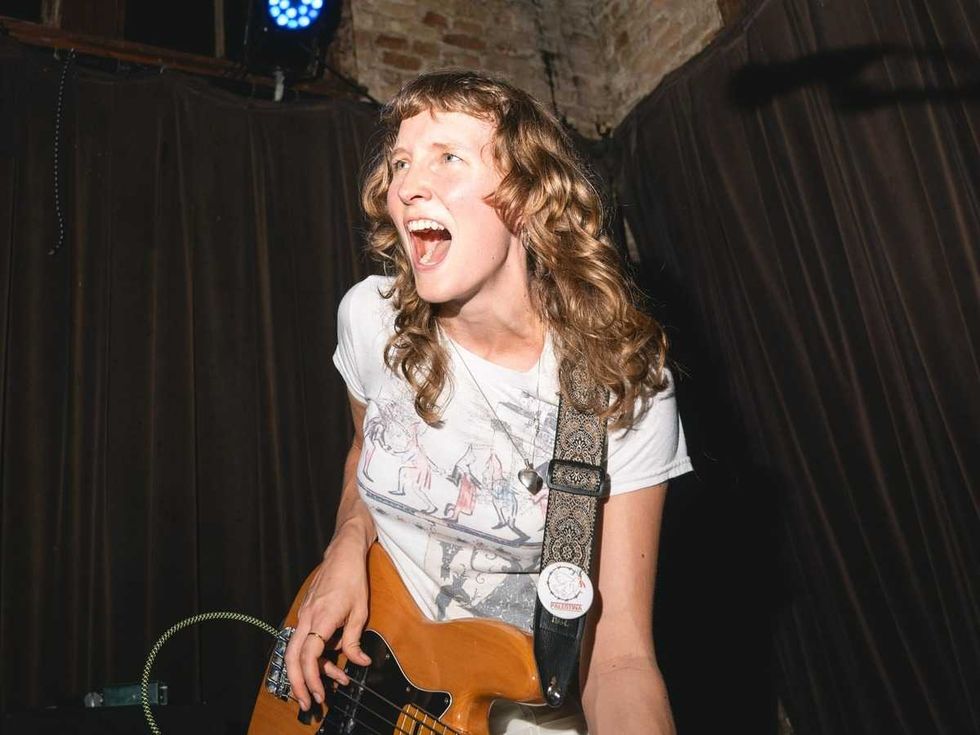
 Austin indie folk-rock band Montclair makes its ACL Fest debut Saturday, October 10. Photo courtesy of Montclair
Montclair
Tito’s stage, Saturday, October 10, 12:45 pm
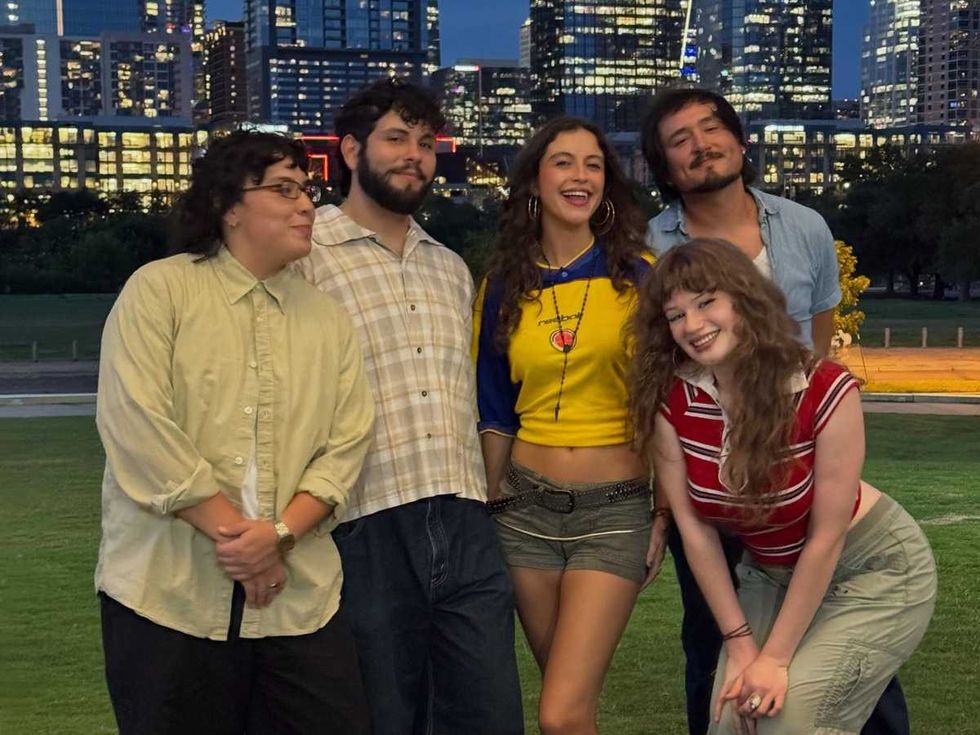
Montclair started on Montclair Street near the Texas A&M campus in College Station, where friends Casen Hutton, Anna Connolly, Clay Burkhard and Jackson Gillard began playing together at the tail end of the pandemic. The ACL lineup also includes Alec Ramba on keys and background vocals.
Casen and Clay were roommates, and Casen turned his bedroom into a home studio, pushing his mattress into the corner to make room. They bought a drum set to convince Jackson to join. Connolly, “a friend-of-a-friend-of-a-friend,” made it a quartet.
“It always just kind of boils down to the four of us just being really good friends, and having a good time, and sometimes good stuff comes out of that,” Connolly told KBTX.
The band describes itself as groovy indie folk rock, “like if you took The Sound of Music and threw it into the ’70s,” according to an interview in VoyageAustin.
Early on, the band played backyard jams, garage sets and dive bars around College Station. They wrote lab reports in green rooms, carpooled to Austin for midnight sets and fueled the drive back for 8 am classes with coffee.
“Austin to us was like the Sunset Strip to hair metal bands in the ’80s,” the band wrote about Austin.
Their first Austin show was after midnight on a Wednesday at Creek and the Cave, for three people, bartender included. Since then, they have played Austin rooms including Stubb’s and Antone’s, with what they called “giddiness and self-pinching.”
For ACL, the band wrote new songs, including one with an unusual vocalist for the group. Their goal, they said, is to “play a fantastic show, and soak up as much of this experience as we can, while remembering to eat and hydrate.”
Austin indie folk-rock band Montclair makes their ACL Fest debut Saturday, October 10. Photo by Davis Mincher
Lluvii
BeatBox stage, Saturday, Oct. 10, 3:30 pm
For Austin-based Lluvii, ACL was the cherry on top of a breakout month. The Latin alternative band was named KUTX’s October Artist of the Month before getting its offer from C3.
“I saw it first, called everyone and we all celebrated by going to DeNada Cantina,” said Sophia Nance, who plays synth and violin.
Formed in 2023, Lluvii blends cumbia, Latin jazz, psych rock and indie rock over Colombian and Mexican grooves. The band started as singer and guitarist Carol Gonzalez’s solo project with drummer Kaylin Martinez and bassist Ryan Gordon, then grew to include keyboardist Felix Kimbrell and Nance.
Their ACL set is timed to Hispanic Heritage Month and built like a backyard cookout, with 10 musicians and a stage the band says is “very green, very nostalgic, and very full of love.”
Guests include Angel Estrada, Francisco Rosales of Midnight Navy, Corinne Jones of Cherri, Paulo Zambarano of Mid-Range Jumper and Renu Jayasinghe.
The band plans to debut a new song, “luckii,” alongside its recent single “junii (llámame).”
“It’s so special to play a festival we all grew up watching,” the band wrote about their experience. “We’ve come from all over, but it was in Austin where we found each other.”
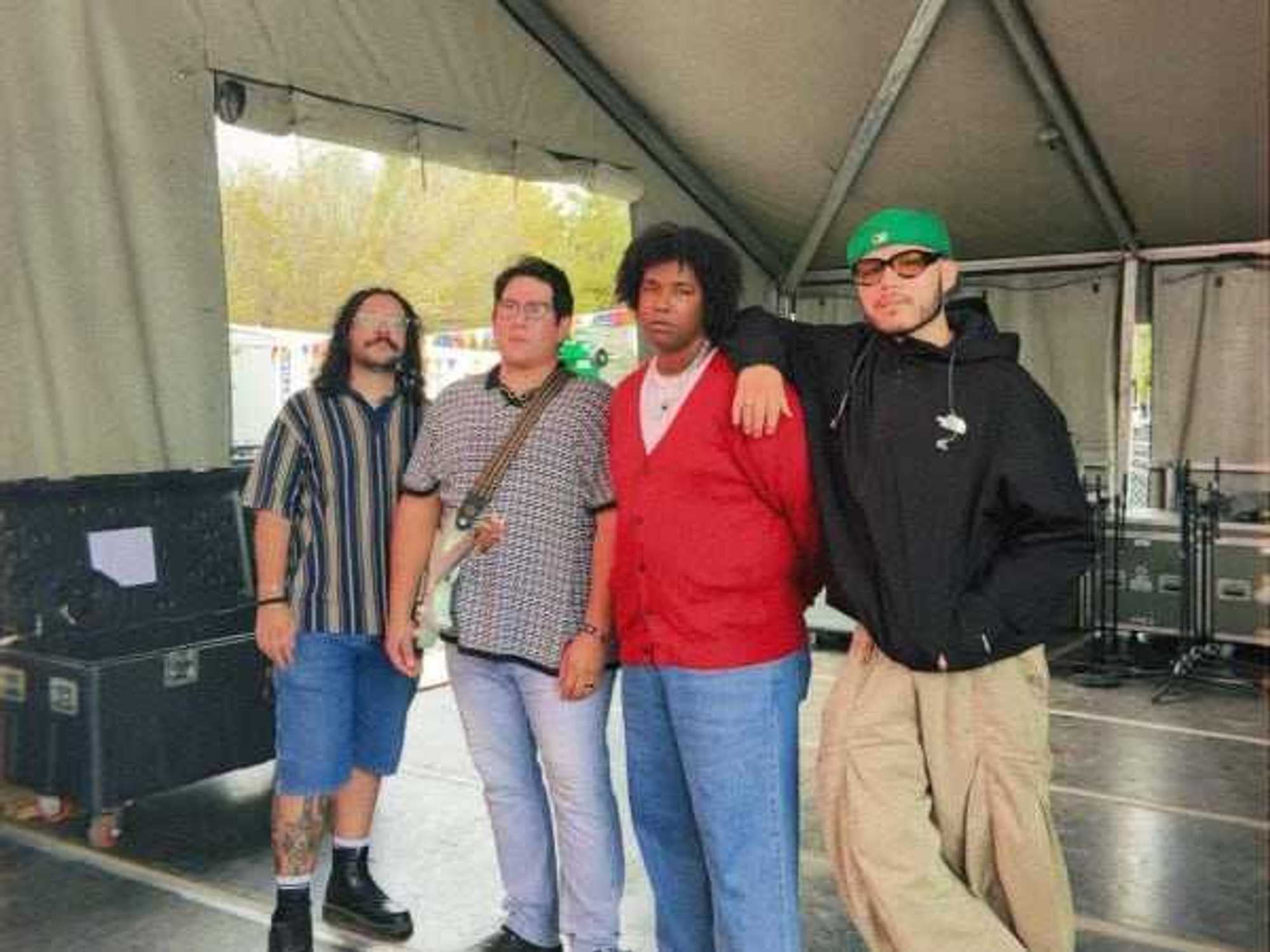
Austin alt-rock band The 4411 brings its early-2000s-inspired sound to ACL Fest.The 4411/Instagram
The 4411
Tito’s stage, played Friday, Oct. 2, 12:45 p.m. Weekend One
The 4411, pronounced “forty-four eleven,” is a folk-leaning indie rock band with San Marcos roots and an Austin base. The band takes its name from the street address of drummer Tomas Gerlach’s parents’ house, where the group first rehearsed.
Gerlach and singer Cogan McBride grew up together and started the band as a pandemic project in high school. At Texas State, they added guitarist Alan Holmquist from down the dorm hall, then bassist Nick Speer.
San Marcos gave them a way in. “San Marcos just had, you know, such an intimate scene that made it like, well, it would be easy just to get your foot in the door and play at the colleges,” McBride told the University Star. They later went back there to shoot much of the video for “Sunset Calling,” from an EP about coming of age in college.
The band opened Weekend One on a Friday afternoon of delays, heavy rain and wind, and still packed the covered Tito’s stage. They covered Daniel Johnston’s “True Love Will Find You in the End” as a nod to Austin and previewed “Take Care,” from an album due next year.
“Our first ACL experience as an artist at Zilker was truly amazing, even through the mud,” McBride says. “We will never forget it.”

 Austin synth band Almost Heaven makes its ACL Fest debut this year.Almost Heaven/Instagram
 Austin indie folk-rock band Montclair makes its ACL Fest debut Saturday, October 10. Photo courtesy of Montclair
 Austin indie folk-rock band Montclair makes their ACL Fest debut Saturday, October 10. Photo by Davis Mincher
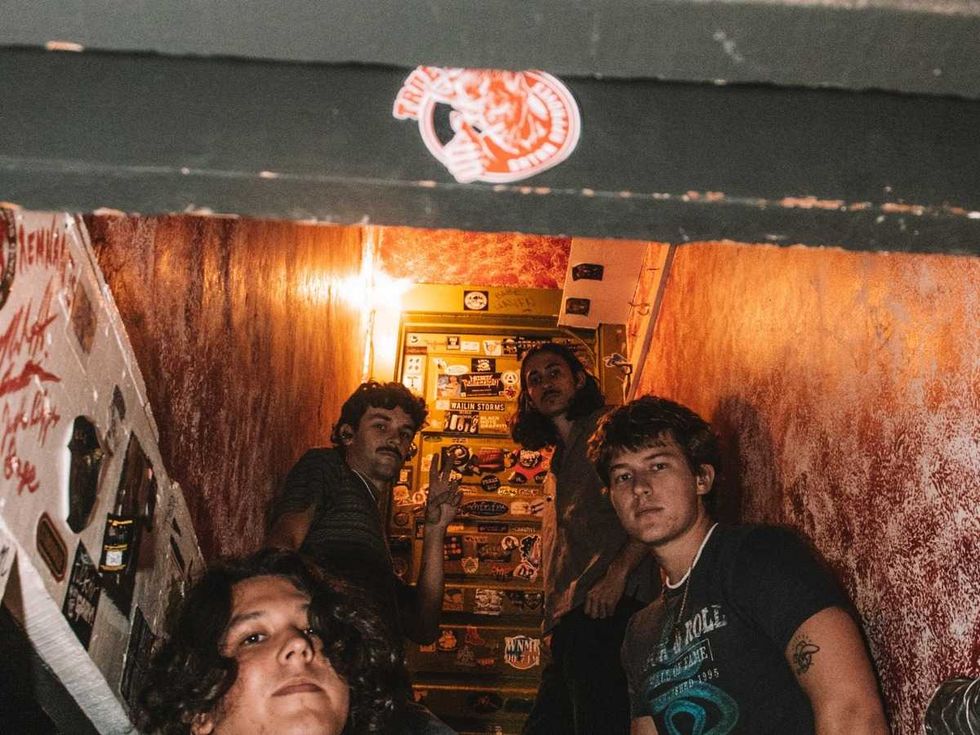 Austin alt-rock band The 4411 brings its early-2000s-inspired sound to ACL Fest.The 4411/Instagram