Whether by chance or due to the sheer enormity of his legacy, not one feature film has been made about Dr. Martin Luther King Jr. since he was assassinated in 1968. He’s certainly played a part in multiple other films about the era, but it’s shocking that no one has had the guts to laud the man universally acclaimed as the leader of the Civil Rights Movement on screen until now.
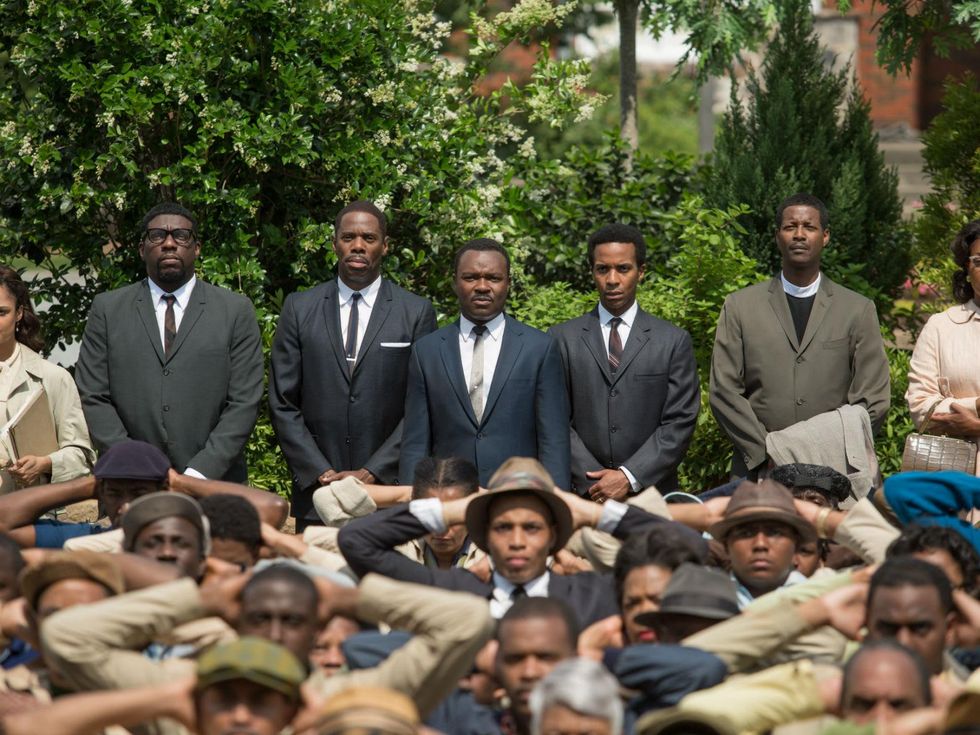
Director Ava DuVernay, working from a script by Paul Webb, finally took on that task with Selma. Rather than tackling King’s multitude of accomplishments, they smartly focused on one period of his life: organizing marches in Selma, Alabama, in 1965 to raise awareness about black voters’ being disenfranchised in Southern states.
Instead of treating him as someone who was larger-than-life, the film humanizes King, showing him to be a fallible person.
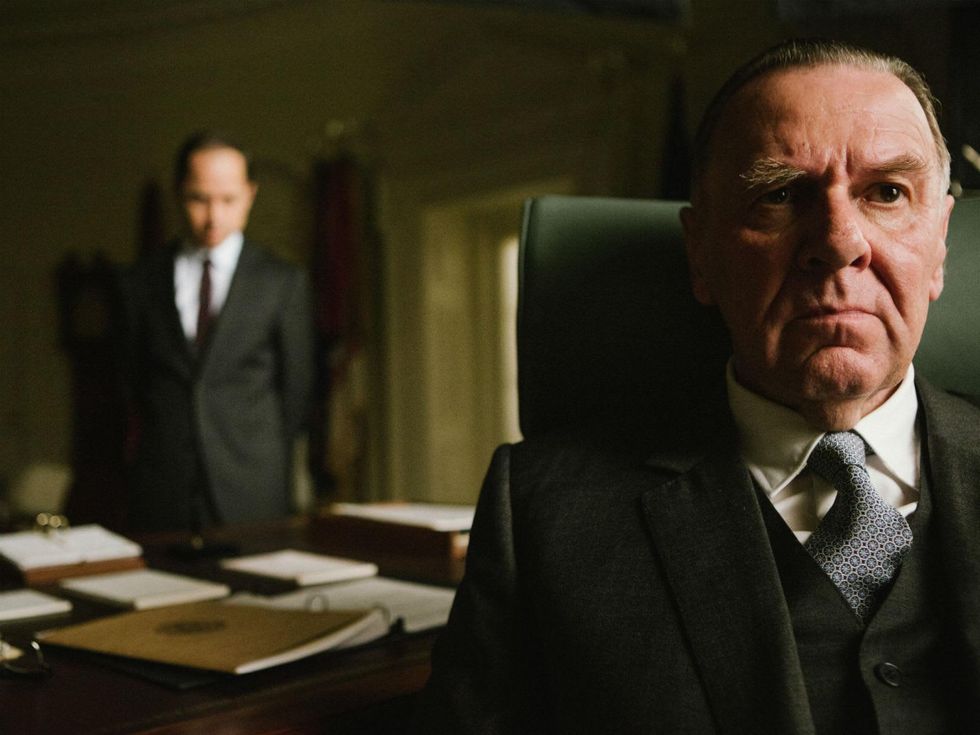
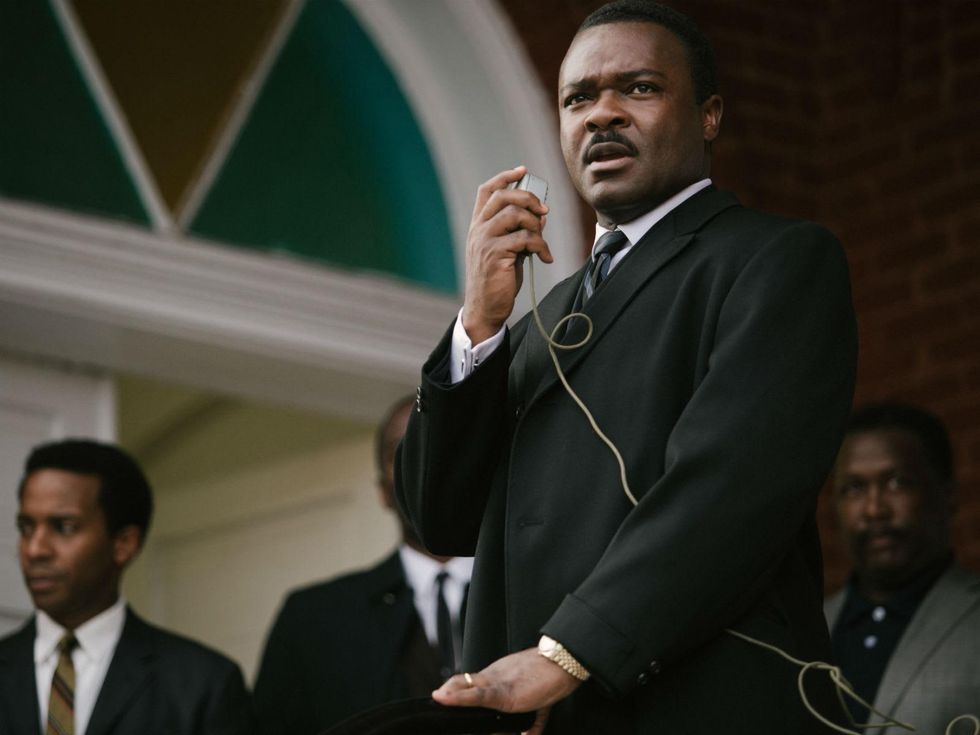
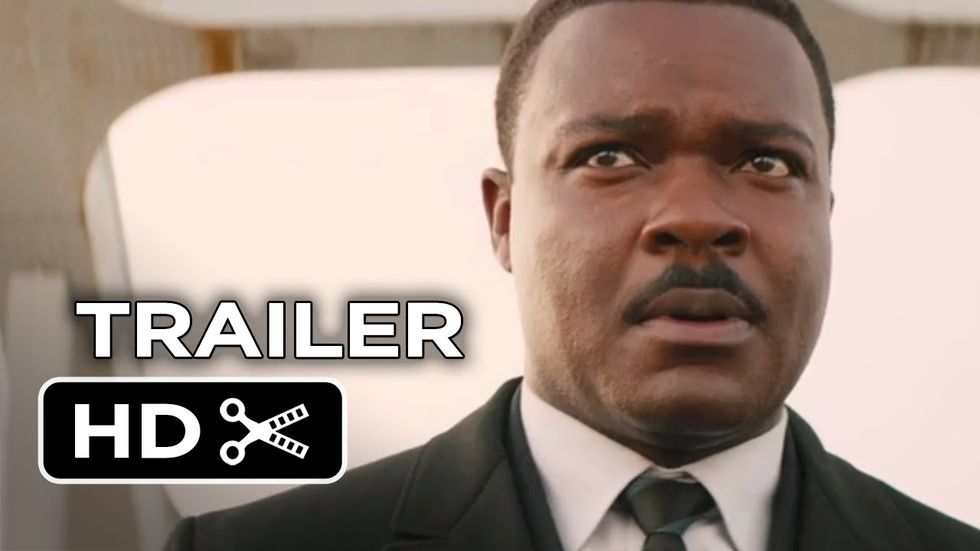
By that point, King (David Oyelowo) was at the peak of his powers; he had the ear of leaders across the country, especially President Lyndon B. Johnson (Tom Wilkinson). The film details everything that went into making the marches happen, including the struggles King had with Johnson, local civil rights leaders, racist locals — even his wife, Coretta (Carmen Ejogo).
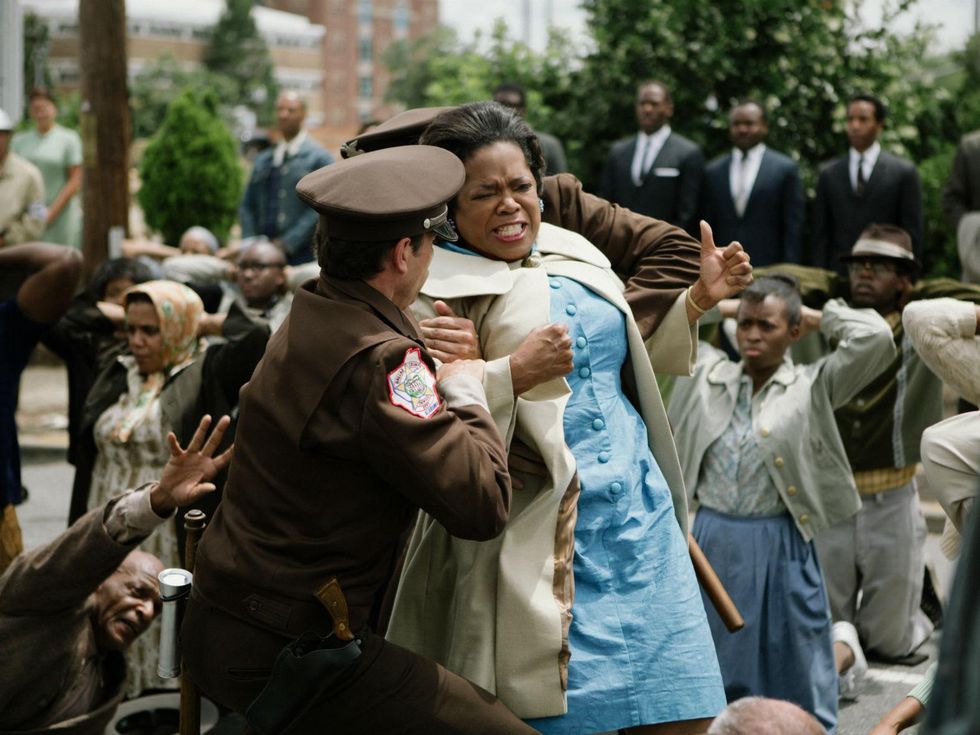
There is a moment early on that’s so shocking that you’re tempted to write it off as sensationalism until you realize that it’s part and parcel of the African-American experience in the South in the 1960s. DuVernay continues that theme throughout the rest of the film, focusing on the brutal treatment black people received at the hands of the police and others to demonstrate the real level of resistance they faced.
Many may think they understand the importance of King’s role in the Civil Rights Movement, but Selma truly makes history come alive. Instead of treating him as someone who was larger-than-life, the film humanizes King, showing him to be a fallible person who experienced the same level of fear, doubt and temptation as anybody else.
But the film also makes clear what a charismatic and persuasive orator he was. Whether it’s speeches in front of large crowds or more intimate moments, DuVernay demonstrates the hold King had on his followers, a skill that can’t be understated. But she also never overplays those moments, a mistake too often made in inspirational films.
LBJ is portrayed as somewhat of a foe of King’s, often putting politics above morals when it comes to the film’s central issue. Some scholars and contemporaries are taking issue with that, but even if it’s not the complete truth, it rings true enough to make for an effective element in an otherwise outstanding story.
Oyelowo’s performance as King deserves to be considered among the best of the year. It’s a tricky role to pull off, as he needs to show strength and weakness in almost equal measure, but Oyelowo does so with ease. The accent and the cadence of his speech are also spot-on — and crucial to his believability as King.
Oprah Winfrey, who produced the film, gave herself a plum supporting role, but to her credit, she makes the most of it. Also of note are Wilkinson and Stephan James as John Lewis, although the whole cast deserves praise for complementing each other so well.
Just like with 12 Years a Slave from 2013, Selma should go straight from the movie theaters into school curricula, as it’s an essential chronicle of one of the most momentous times in American history.
Tom Wilkinson plays President Lyndon B. Johnson in Selma.