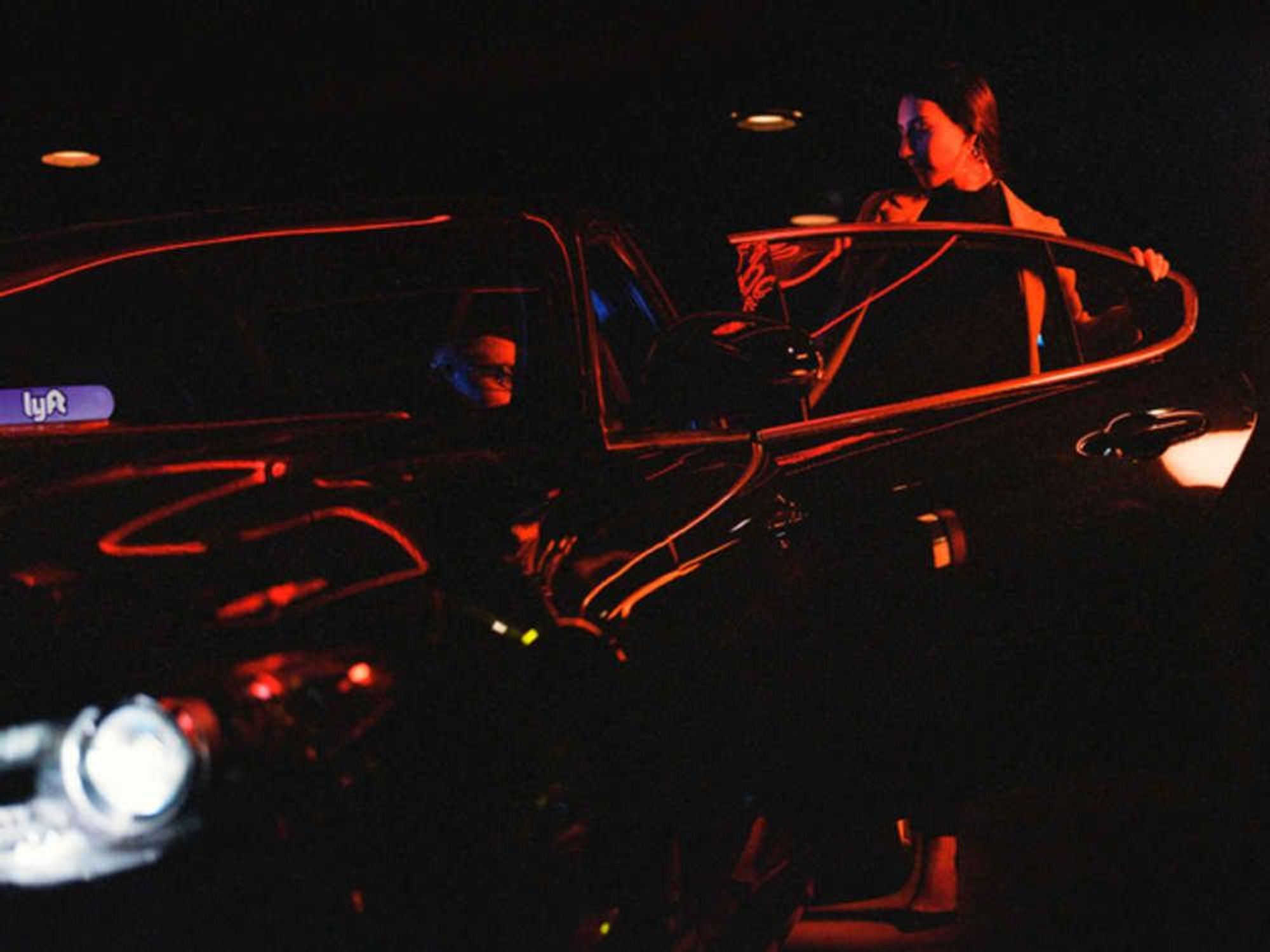
Itching to hitch a ride in a Bentley? Eager to travel in a Tesla? Ride-hailing service Lyft now enables you to hop in a stylish car and feel like a million bucks.
In Austin, Lyft just rolled out two new options — Lyft Lux and Lyft Lux SUV — for luxury transportation to get from, say, Tarrytown to downtown. Lyft Lux and Lyft Lux SUV compete directly with Uber’s existing high-end alternative, Uber Black.
“Passengers can count on Lyft Lux for a luxury ride every time. Lyft Lux is the perfect ride for the business traveler who wants arrive to a meeting in a black car, take his or her client to dinner, or any special occasion where you want to spend a little more to make it memorable,” Lyft says in announcing the new offerings.
Aside from Bentley and Tesla, eligible vehicle brands in the Lyft Lux and Lyft Lux SUV fleet include Acura, Audi, BMW, Cadillac, Infiniti, Jaguar, Land Rover, Lexus, Maserati, Mercedes-Benz, Porsche, and Rolls-Royce. Each vehicle will be a 2011 model or later and feature a black exterior.
“For drivers, this is a great way to get the most of your high-end vehicle and earn even higher fares,” Lyft says.
Indeed, the fares are considerably higher for Lyft’s luxury service compared with its standard service. A standard Lyft trip from Tarrytown to downtown Austin costs an estimated $6 to $12. The same ride via Lyft Luxury goes for an estimated $22 to $31, while it’s an estimated $31 to $43 for Lyft Lux SUV.
Along with Austin, Lyft Lux and Lyft Lux SUV are available in more than 80 cities in the U.S.
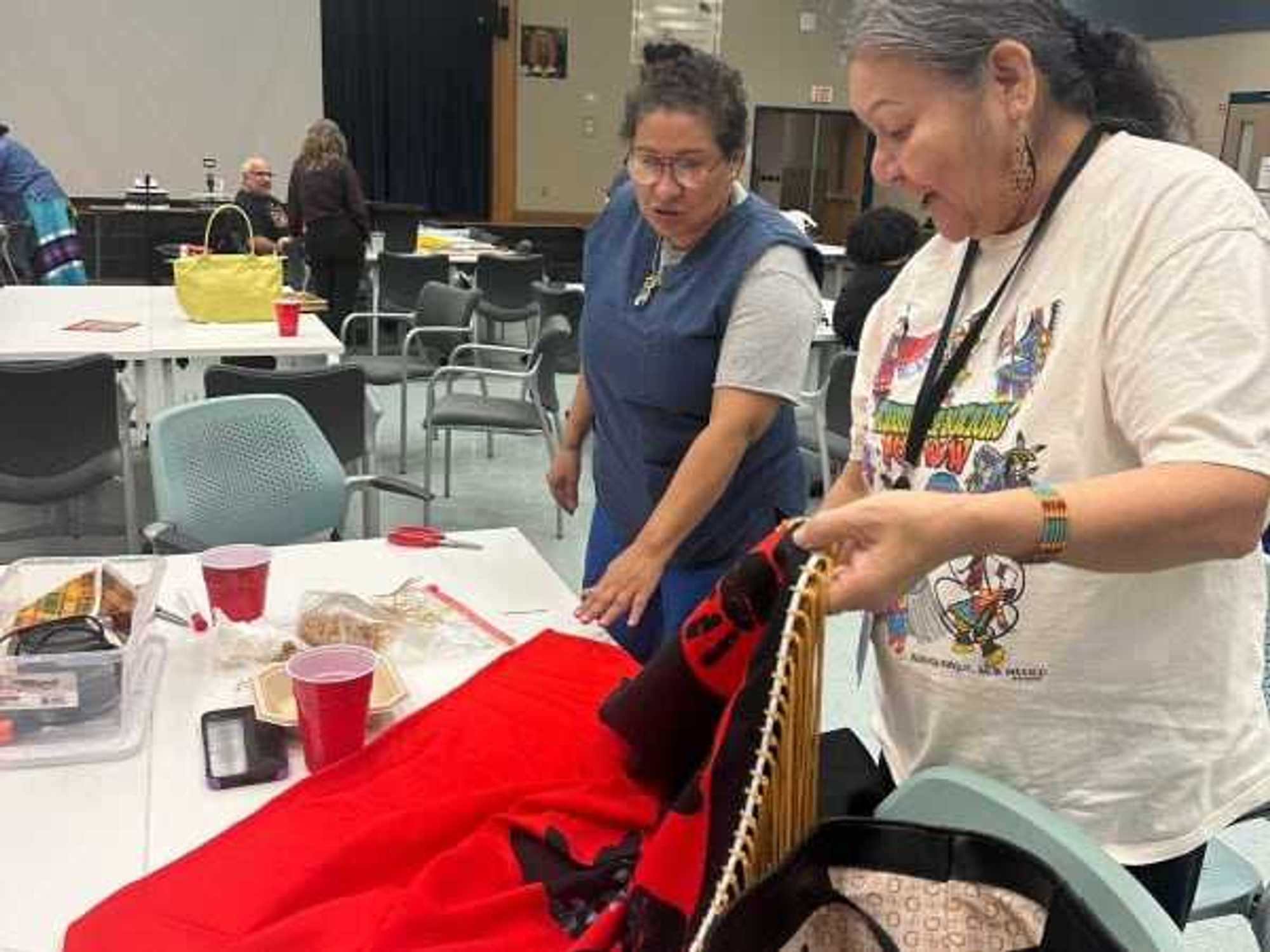
Skye King, right, works on a red fringed shawl for the Austin Powwow during Sew Indigenous at the former Metz Elementary in East Austin.
On a Wednesday night in November, Skye King and about three dozen others gathered at the former Metz Elementary in East Austin — now the Native American Cultural Center — to sew regalia for the Austin Powwow. The festival runs from 9 am to 9 pm Saturday, November 21, at the Travis County Exposition Center (7311 Decker Ln.).
The Native American Cultural Center moved to the former Metz campus this spring after the sale of its previous home at Brooke Elementary. The nonprofit is already looking for more room. It hosts regular luncheons for elders in a portable classroom without a kitchen, Austin Vida reported.
In May, Austin City Council voted 9-0 to create the Native American and Indigenous Quality of Life Commission. The commission advises the council on cultural preservation, economic development, education, health, and wellness. Its duties also include advising on the cultural center’s operations and development.
Council Member José Velásquez, who led the effort, told Austin Vida that Native and Indigenous residents had long been underrepresented in city policymaking.
Who Austinites dance for
As she sewed a red fringed shawl, King talked about a close friend’s daughter who went missing and still hasn’t been found. King believes she was taken. Her account touches on a broader crisis: The Bureau of Indian Affairs says Native American and Alaska Native communities have faced high rates of abduction and other violence for decades.
“So I’m going to dance for her, King says. "I’m going to dance for her.”
The group meets for Sew Indigenous, a weekly workshop at the center. Beginners and experienced makers work on ribbon skirts, beadwork, and other projects, sharing techniques as they go. The center encourages people to bring their own supplies if they can and keeps a few sewing machines on hand to share.
The center also puts on the Austin Powwow and Native American Heritage Festival, which dates to 1991. Organizers say the gathering draws more than 15,000 attendees and more than 300 dancers from different tribes and regions. The number of participating Native food vendors, artists, and craftspeople also surpasses 100.
Visiting the Austin Powwow
The market at the Austin Powwow opens at 9 am, the Gourd Dance begins at 10:30 am, and dancers enter the arena for the Grand Entry at noon. This year’s host drum groups are the Wild Band of Comanches and Meskwaki Nation. Competitions include jingle, grass, and fancy dancing, with divisions for dancers as young as 6 and a Golden Age division for dancers 50 and older.
At the outdoor Heritage Stage in the vendor market, Maxochitl starts the program at 10 am with children’s stories and poetry, followed by a potato dance competition at 11 am. The stage pauses for the Grand Entry and resumes at 1:30 pm with Jackie Salgado’s jingle dress showcase. Later performances include:
music by PHNX.WAV at 2:30 pm
the Hula Kalau Kaeepa Polynesian Dancers at 3:30 pm
danza led by Kalpulli Ayolopaktzin at 4:30 pm
flute and storytelling by Ryan Harjo at 6 pm
Organizers ask visitors to stand and remove their hats during the Grand Entry, flag songs, and honor songs. The dance arena is sacred space, and guests should enter only if invited. Attendees are told to ask dancers for permission before taking their photos or touching their regalia, beadwork, or feathers. Families can check strollers at the gate, since strollers are barred from upper-level seating.
Parking is free, and children 12 and under get in free. Online tickets cost $13.91 for ages 13 and up and $11.85 for military veterans, including fees.