OUTER ORBIT
Central Texas growth moving outside of Austin to places like Bastrop
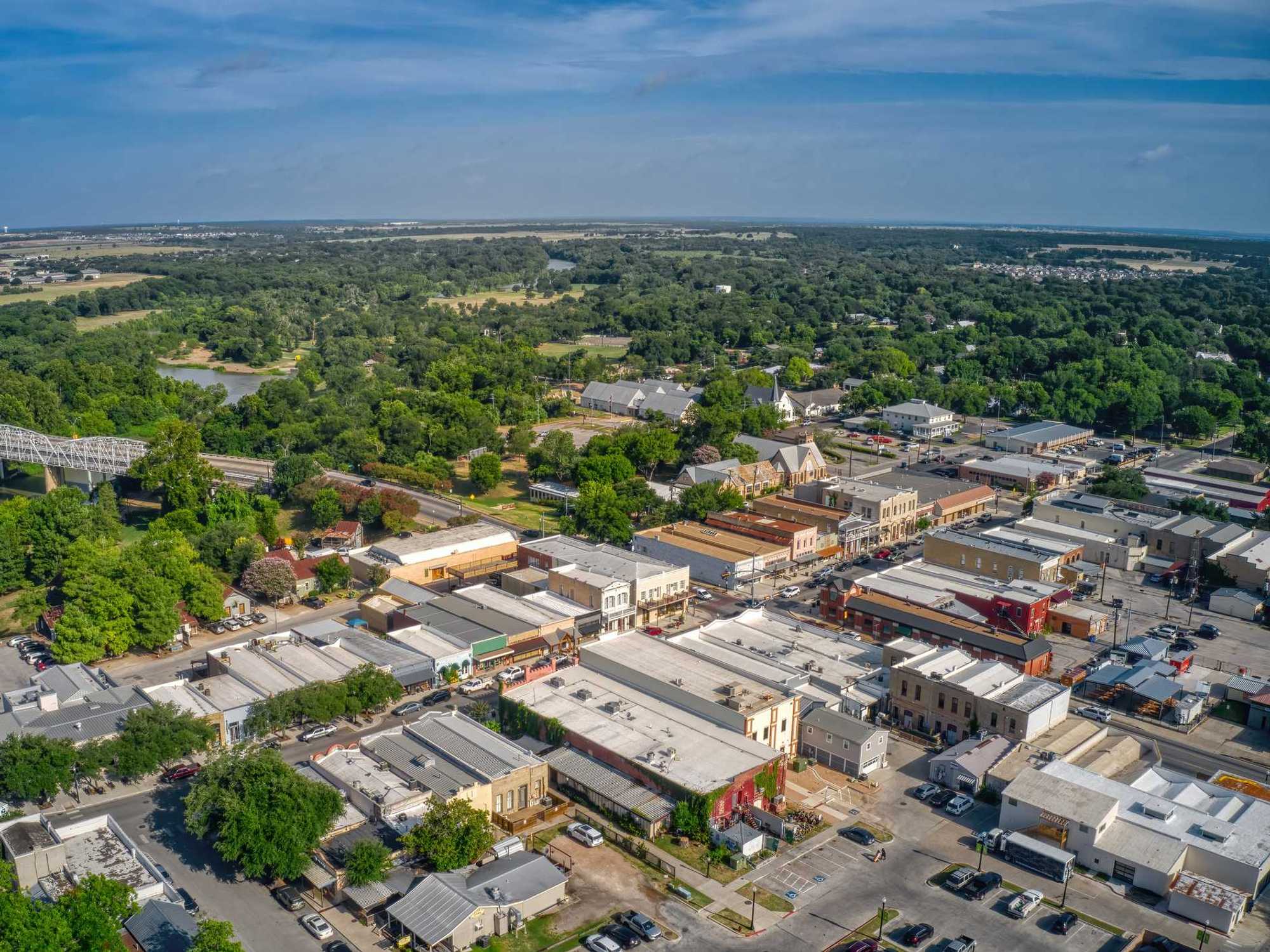
Bastrop's culture is changing as growth radiates across Central Texas.
At the Texas Demographic Conference held on May 21 in one of the state's newest office buildings, local leaders and state demographers described a Central Texas region where growth is increasingly pushing outward. New residents and local dynamics are moving into suburban and exurban communities like Bastrop and beyond, reshaping not just housing patterns but also the identity and economy of entire towns.
Bastrop is no longer just a small town in the Piney Woods east of Austin where people go to escape the city. Few places illustrate that shift more clearly, and Ishmael Harris sees the city entering a new era. A fifth-generation Bastrop resident and the city's first Black mayor, Harris spent more than two decades working in wastewater infrastructure for Austin Water before taking office last year. Now, he is witnessing the same growth pressures that reshaped Austin arrive in his own small hometown.
Part of that transformation is linked to the expanding footprint of Elon Musk-associated companies in Bastrop County, including SpaceX and the Boring Company. Harris noted that SpaceX recently added another million square feet to its facilities in the area, fueling a surge in jobs, housing demand, and new residents moving east from Austin.
"We're experiencing rapid growth," Harris said during a plenary panel at the conference, noting that Bastrop is projecting roughly 4 percent annual growth over the next six years. The city's population has climbed from approximately 9,000 residents in recent years to an unofficial estimate of nearly 18,000 today.
That rapid evolution marks a striking shift for a community many Texans still associate with the Lost Pines region and the devastating 2011 Bastrop County Complex wildfire, which destroyed more than 1,600 homes and became one of the most destructive wildfires in Texas history.
For Harris, the challenge is no longer simply managing growth but deciding what Bastrop will become next. That growth is increasingly visible in daily life. Traffic along Texas 71 has intensified as more commuters travel between Austin and Bastrop, turning what Harris said once felt like a 25-minute drive into hour-long trips on some days.
“We have a lot of older citizens that have lived there and still will be there," Harris said. "It's a nice retirement spot, but we also have families that are coming in as we start having these larger companies come around."
He repeatedly emphasized the importance of preserving Bastrop's identity even as the city expands, pointing to efforts to protect the historic downtown corridor and maintain the traditions of a town approaching its 200th anniversary.
The city's commercial landscape is changing just as quickly, with Bastrop recently adding a Sprouts Farmers Market alongside chains like Texas Roadhouse, Jersey Mike's, and Chuy's.
This shift is also affecting Austin itself. During the same session, Austin Demographer Lila Valencia noted that Austin is now "a majority renter city" and "a majority non-family city," with many families relocating to surrounding communities in search of affordable housing. Rapid housing growth during the last decade still failed to keep pace with household formation, helping fuel affordability pressures that pushed many families, often Black and Brown, into surrounding communities.
Helen You, interim director and senior demographer for the Texas Demographic Center, called the time between July 2024 and July 2025 a relatively "slow year" for Texas growth; even still, the state more than doubled the national growth rate. Texas added roughly 391,000 residents during that time, bringing the state's population to 31.7 million.
However, that growth is increasingly occurring outside the urban core. This, despite the fact that Austin's population just crossed 1 million residents.
"The fastest-growing cities are not those two big cities," You said, referring to Austin and San Antonio. "They are on the outer edge of the metro areas."
For communities like Bastrop, this means balancing the opportunities that come with rapid growth against the fear of losing the character that initially attracted people to move there.