
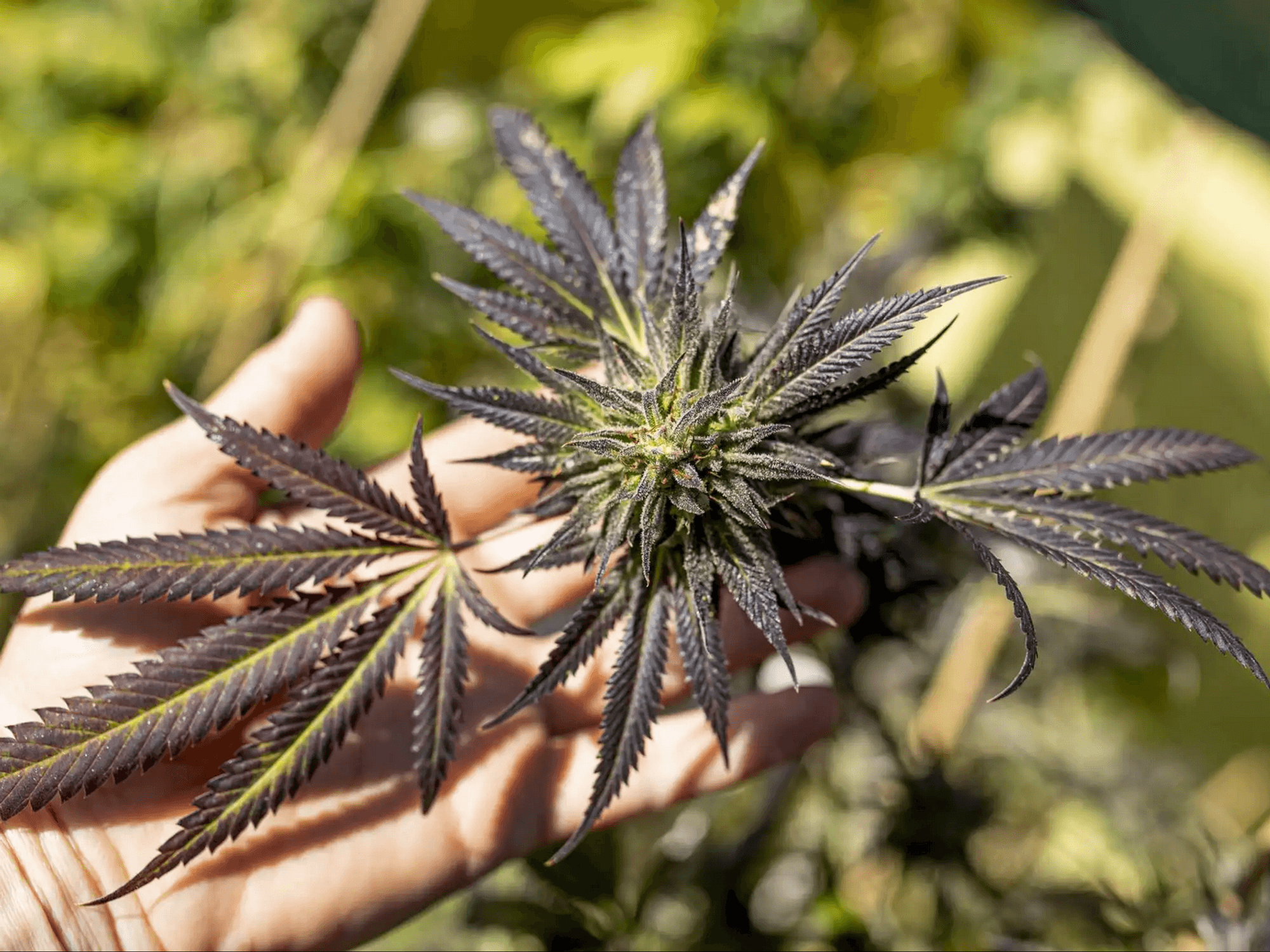
THC-infused gummies, drinks, and vapes have flooded the Texas market since hemp became legal six years ago, with growth that manufacturers say has far outpaced regulation. The issue surfaced during a makers-focused panel at the Texas Cannabis Policy Conference on the University of Texas campus on Friday, January 6, where industry advocates discussed what is and isn’t working in Texas’ fast-moving hemp market.
During the panel on synthetic products, speakers kept returning to the same point: the rules were never designed for today’s products.
“These initial rules were not written with intoxicating consumable products in mind,” said Lisa Pittman, an Austin-based cannabis attorney who previously worked on marijuana and hemp regulation in Colorado. “We didn’t have drinks, vapes, or many of the products consumers are buying now.”
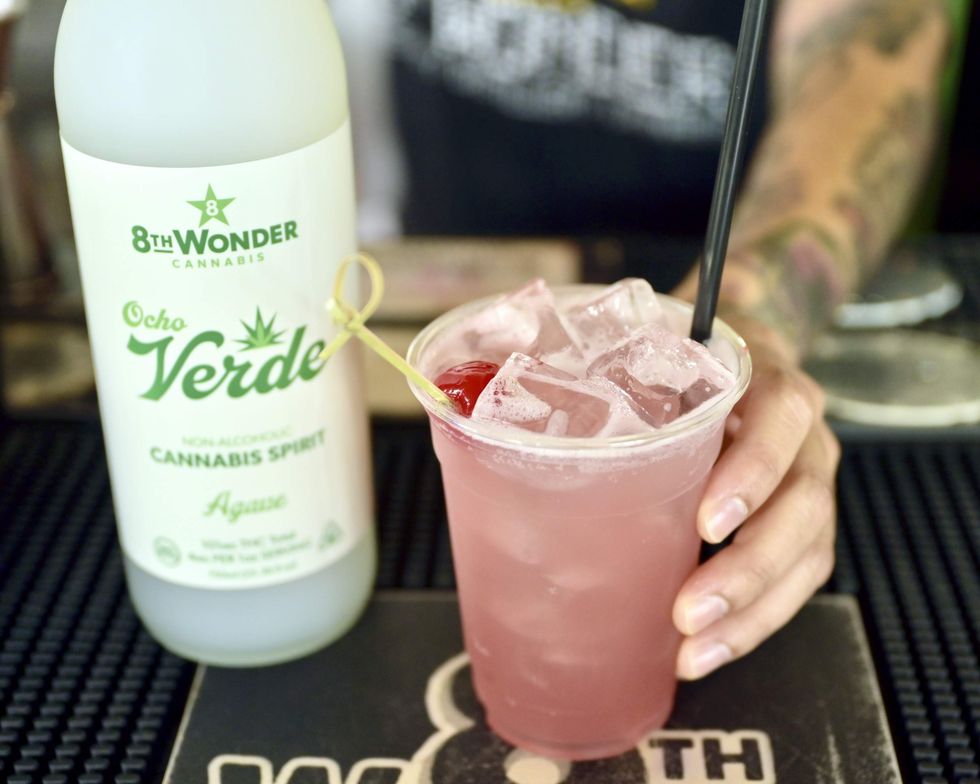 8th Wonder's Space Spritz is a mocktail of Ocho Verde THC, cranberry, and sparking water. Photo by Alex Montoya
Texas legalized hemp in 2019, aligning state law with the federal farm bill. At the time, lawmakers largely envisioned industrial uses and non-intoxicating CBD, not a retail market dominated by THC-infused edibles, beverages, and inhalables.
Industry estimates cited by Cannabis Business Times last March put Texas’ hemp-derived cannabinoid market at more than $5 billion annually, making it one of the largest cannabis-adjacent markets in the country. NPR reported last January Texas had more than 7,000 cannabis retailers — nearly twice as many as California — despite recreational marijuana remaining illegal.
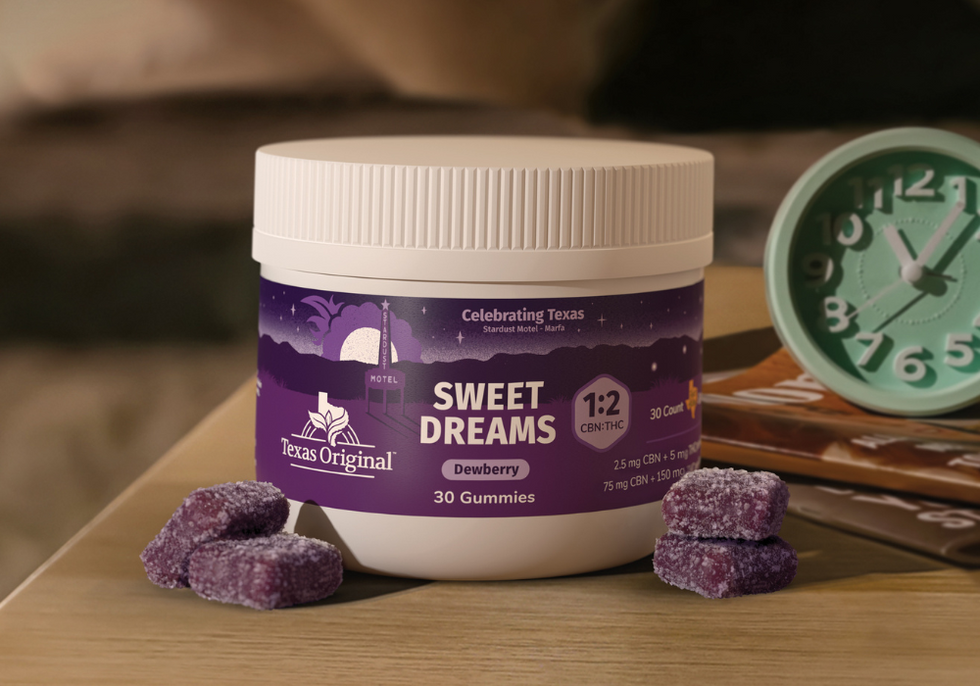 Texas Original offers the state’s first fast-acting medical cannabis gummies. Photo courtesy of Texas Original
As the number of retailers and product types ballooned, the regulatory gap became a political flashpoint. During the most recent legislative session, Lt. Gov. Dan Patrick backed proposals that would have sharply restricted, or effectively shut down, much of the intoxicating hemp market. Gov. Greg Abbott vetoed that proposal, adding new safeguards and broader enforcement with a post-session executive order.
Industry advocates argued that an outright ban ignored consumer demand and punished businesses that grew within the framework the state itself created. Federal developments — including executive action affecting cannabis scheduling and protections for federally legal hemp — helped steer Texas away from a shutdown approach and back toward regulation.
That recalibration is now playing out through proposed rule changes at the Texas Department of State Health Services.
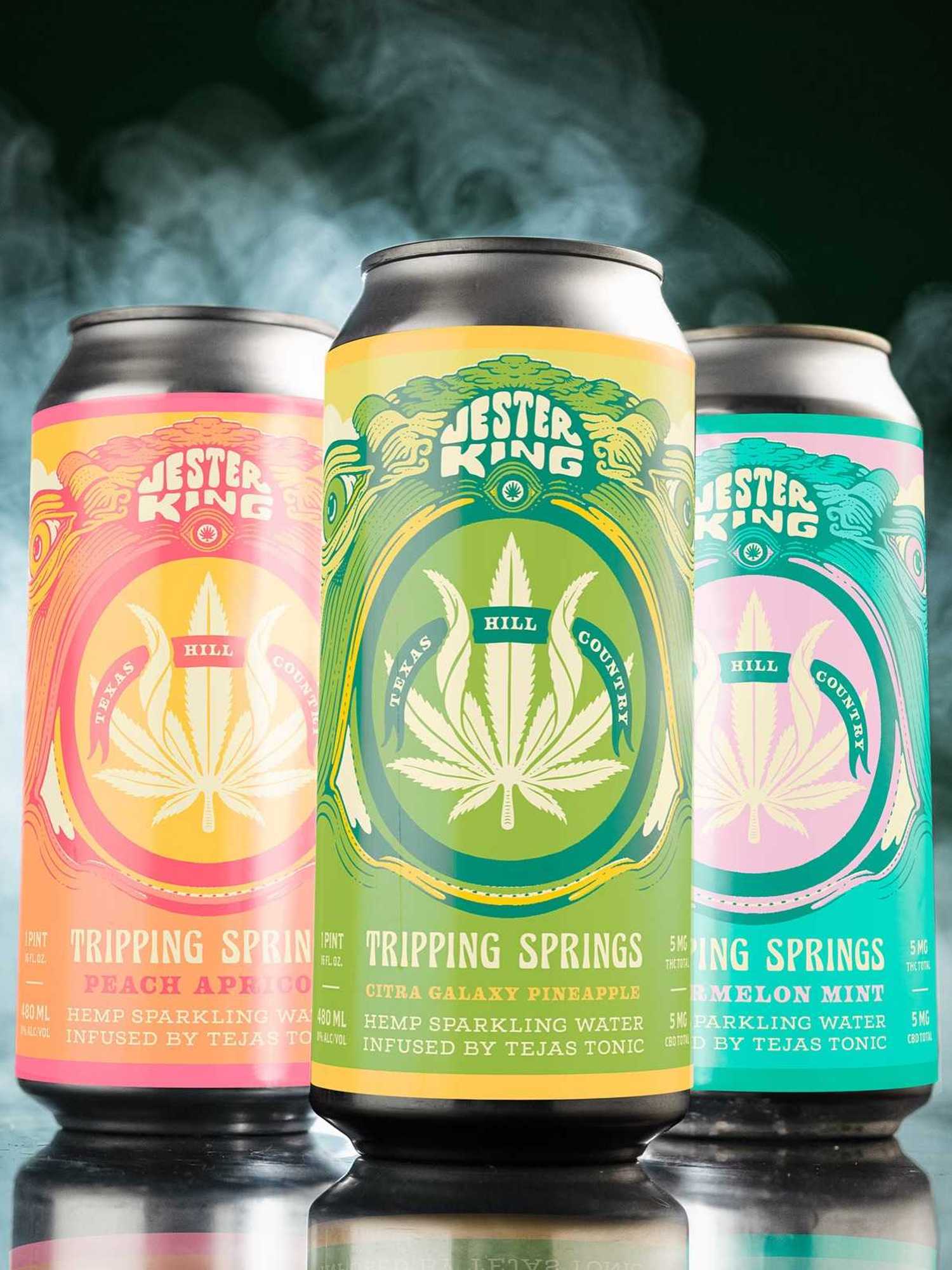 Jester King Brewery, based in Austin, sells infused drinks that weren't on lawmakers' minds when hemp became legal in Texas.Photo courtesy of Jester King Brewery
Despite regulatory uncertainty, panelists said parts of the market have matured significantly since the early days of hemp legalization.
“The supply chain is a lot tighter than it was a few years ago,” said Nick Mortillaro, a Texas manufacturer and retail operator. “The products on the shelves today are much more consistent than what we were seeing in 2020 or 2021.”
Edibles and beverages, in particular, have become more standardized as consumer expectations rose and retailers became more selective about sourcing. Pittman said accessibility remains a major driver of demand, especially for Texans who do not participate in the state’s limited medical marijuana program.
“People want to walk into a store, buy something that helps them relax or sleep, and walk out,” she said. “That accessibility is a big reason this market grew so quickly.”
That mainstreaming was echoed elsewhere at the conference. During another session, state Rep. Drew Darby described today’s hemp consumers as extending well beyond head shops, calling it a market that serves “soccer moms” who want to be able to grab an infused six-pack of beverages quickly on the way home.
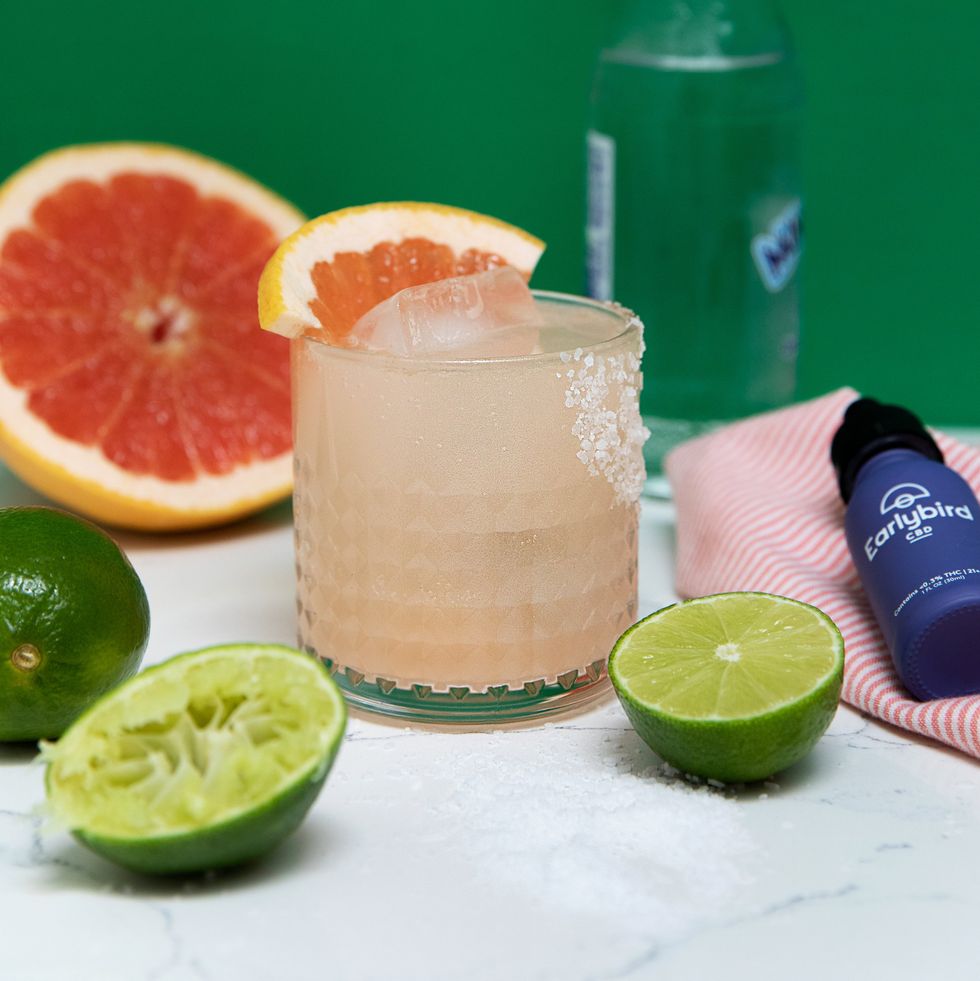 CBD add-ins can make mocktails in a pinch, much like this summer paloma. Photo by Molly Culver
If panelists agreed on one pressure point in the industry, it was the need to regulate flower, or smokable, options. Unlike gummies or drinks, flower can change chemically over time and with heat and is far more sensitive to testing methods, storage conditions, and enforcement differences. That makes it one of the riskiest products for retailers, even those trying to comply with the law.
“Flower can be legal under one test and illegal under another,” Pittman said. “That’s where businesses get exposed.”
Mortillaro added that flower is also where bad actors have done the most damage, cutting corners on testing or pushing products too close to legal thresholds.
“If anything needs clear regulation, it’s flower,” he said.
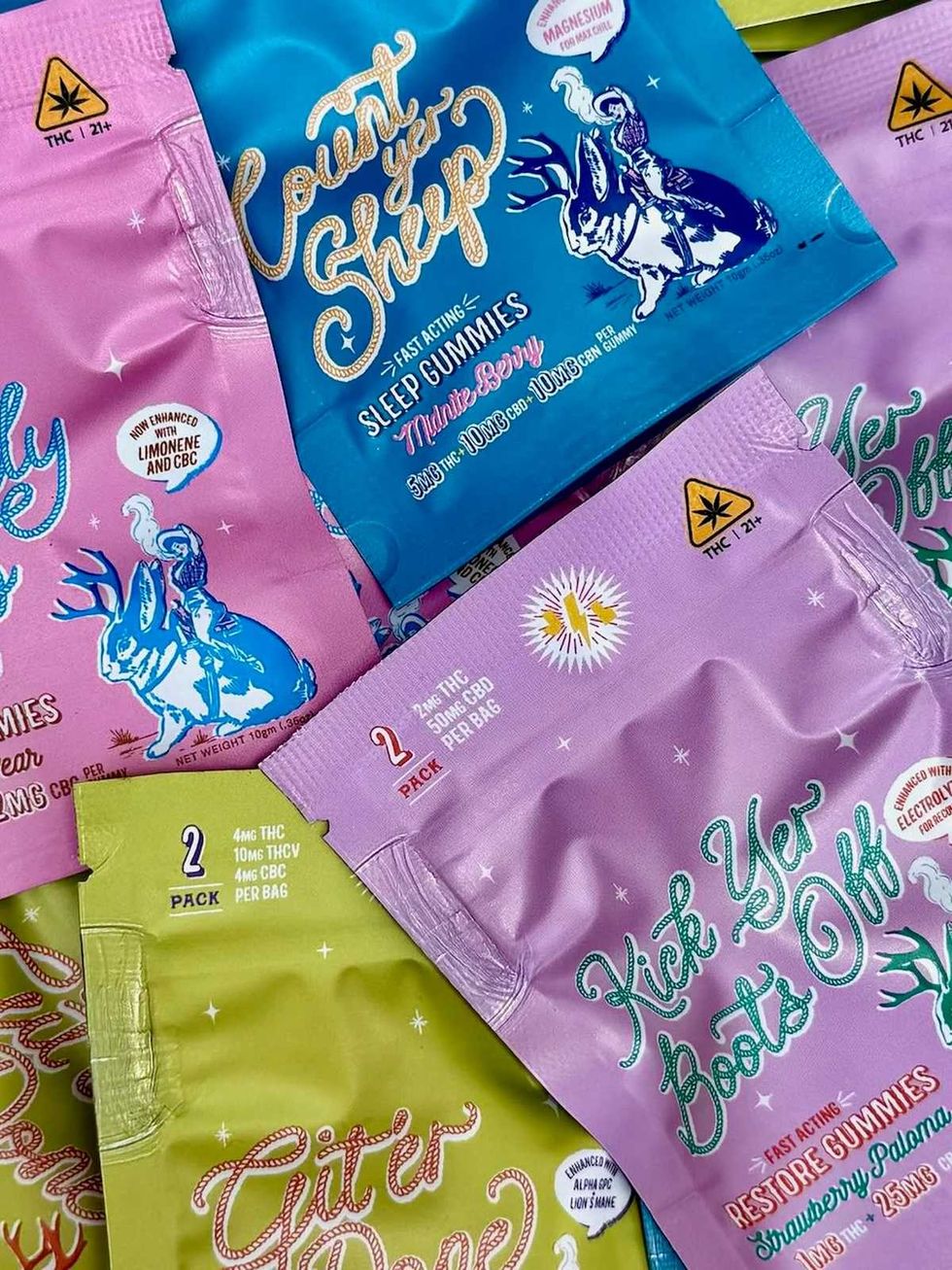 Jota Living, a women-owned brand based in Marfa, Texas, creates hemp-derived wellness products designed for everyday use.Photo courtesy of Jota Living.
Proposed DSHS rules would expand testing, documentation, and batch-tracking requirements across the hemp market. Panelists said those changes could significantly reshape which products remain viable, particularly flower.
While new rules would raise costs, panelists said clearer standards could ultimately stabilize the market and reward responsible operators.
“Right now, the people cutting corners often have the advantage,” Pittman said. “Clear rules change that.”
Andrea Baillo, who works in cannabinoid safety and risk management, said debates over whether products are “natural” or “synthetic” often miss the larger issue.
“What matters is how products are made, tested, and monitored once they’re sold,” she said. “Consistency is what protects consumers.”
 CBD comes in many easily consumable forms. Courtesy of Restart CBD
If the proposed rules move forward, panelists expect fewer flower options, higher compliance costs, and a marketplace shaped less by novelty and more by testing standards. But they do not expect demand to disappear.
“This market exists because people want it,” Pittman said. “The question isn’t whether it survives. It’s what shape it takes.”

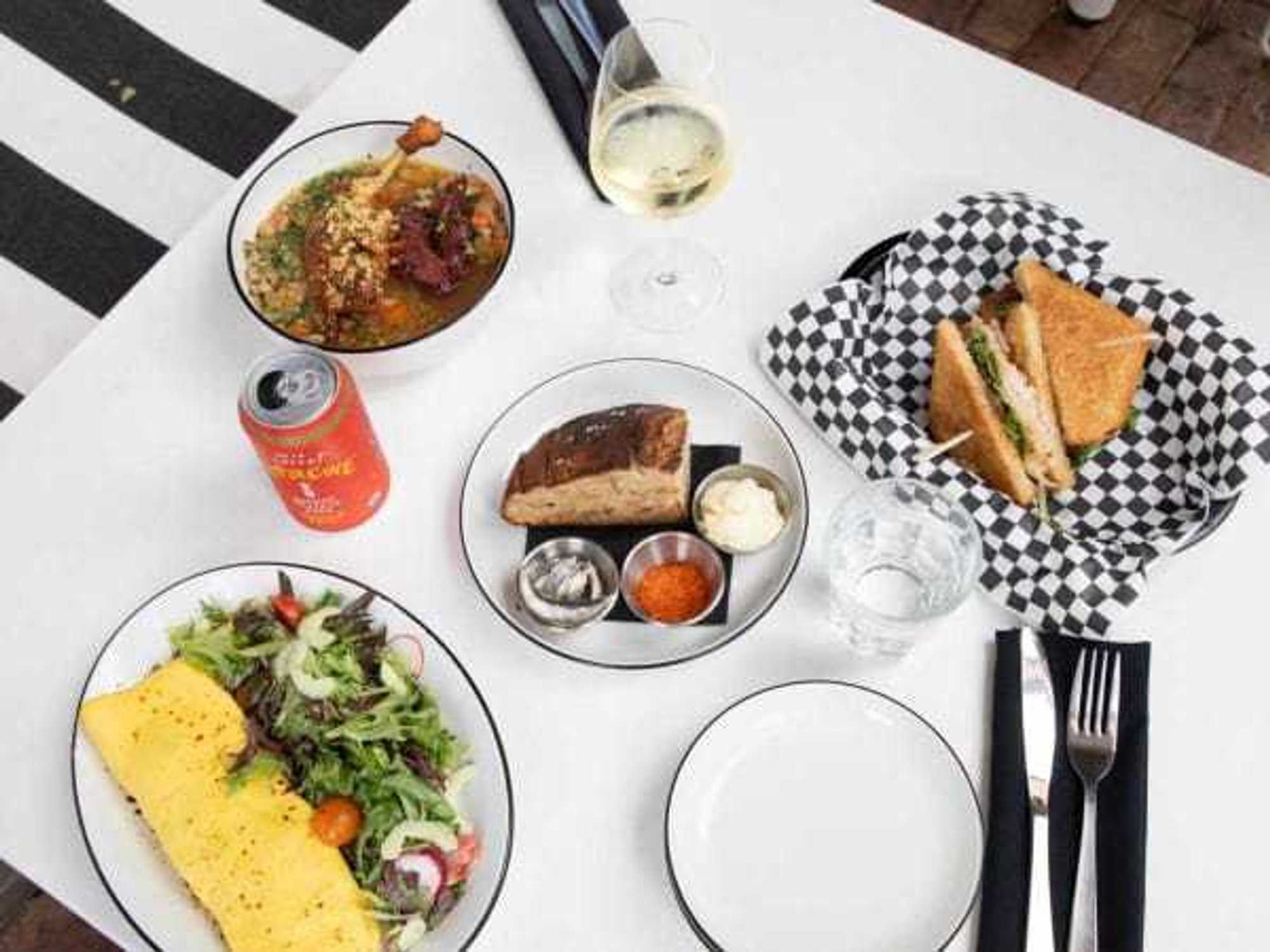
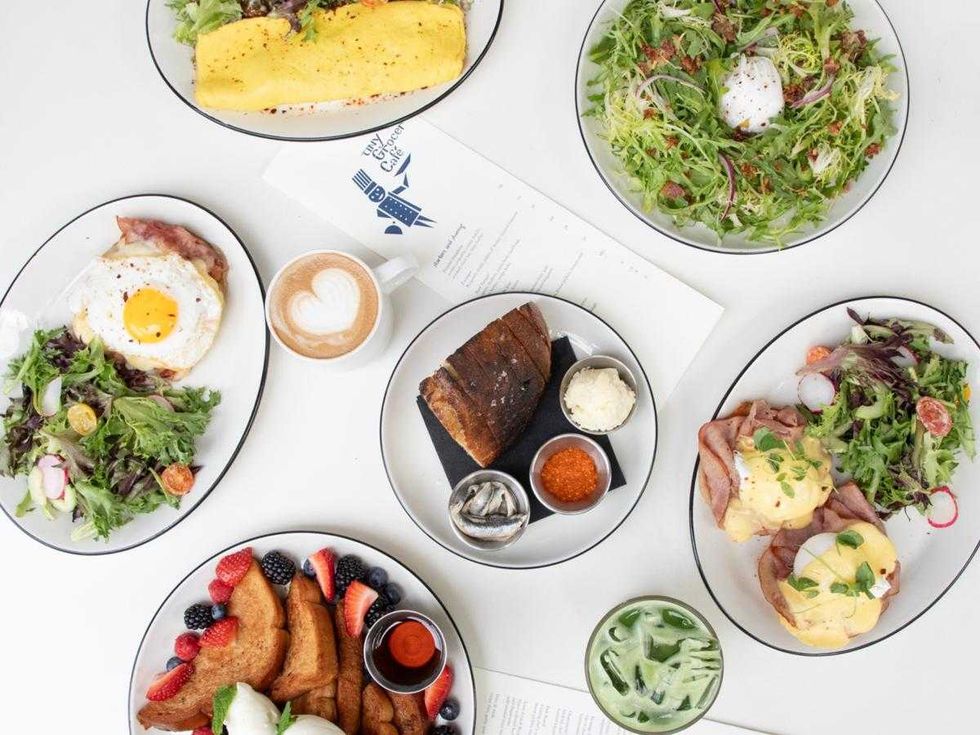 Breakfast offerings at Tiny Grocer Café include brioche French toast, omelettes, egg dishes, and other all-day favorites.photo by Luisa Pineda, courtesy of Tiny Grocer
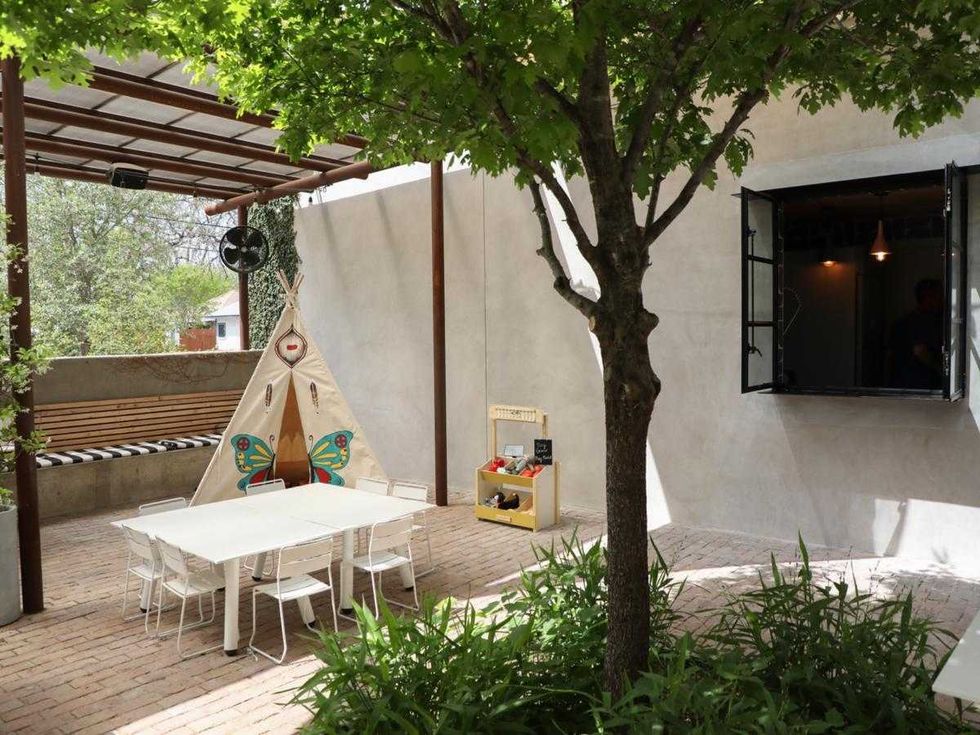 Tiny Grocer Café’s updated Hyde Park patio includes a play area for children and shaded outdoor seating.Courtesy of Tiny Grocer / photo by Luisa Pineda