EDUCATION NEWS
Nearly 9 in 10 Austin kids learn in dangerous heat zones, study finds
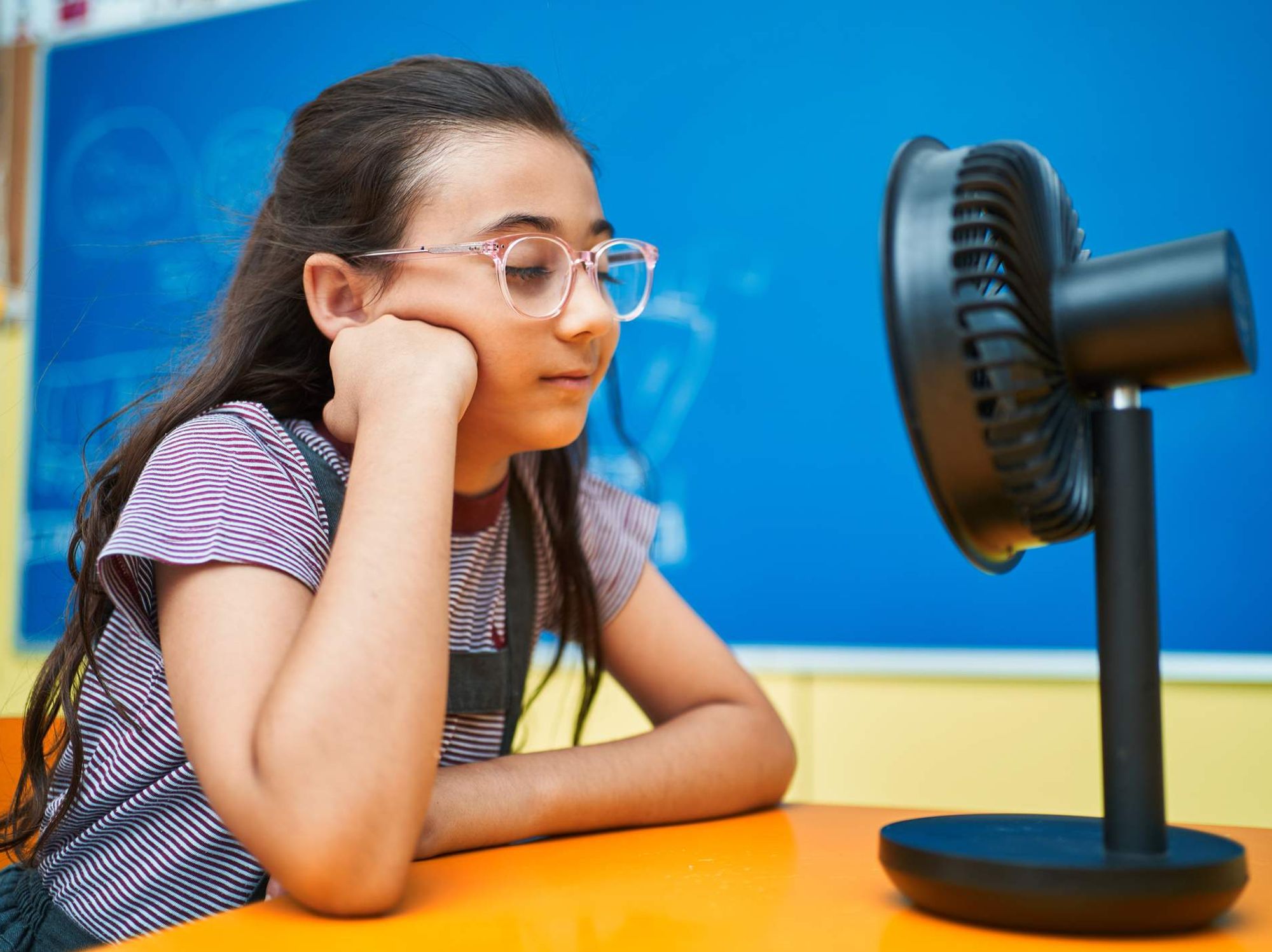
Most Austin public school students learn in extreme heat zones.
The majority of K-12 public school students in Austin learn in extreme urban heat zones, according to a new report from Climate Central. The policy-neutral nonprofit says 87 percent of the heat-vulnerable demographic go to class in environments where temperatures can rise dangerously high, well above the national average of 76 percent.
The Environmental Protection Agency (EPA) defines urban heat zones, or islands, as areas that have a “measurable increase in ambient urban air temperatures,” which can result in sharp differences between rural and urban areas. The islands are the result of heat-absorbing city infrastructure replacing natural vegetation.
“The entire planet is warming due to human-caused climate change, but the built environment further amplifies both average temperatures and extreme heat in cities,” say the report’s authors.
The heat islands have a variety of adverse effects on communities, including elevated greenhouse gas emissions, worsened water quality, and increased energy consumption in already overburdened grids. The EPA says grade school children are particularly vulnerable to the health effects of increased daytime highs, like rashes, cramps, exhaustion, and heat stroke.
Extreme heat also contributes to negative educational outcomes. A Harvard University study found that students taking an exam on a 90-degree day were nearly 11 percent less likely to pass than students taking the exam on a 72-degree day.
Washington D.C.-based think tank The Center for American Progress recommends various tactics for mitigating the effects of punishing climates, including installing shade at bus stops, using heat-resistant materials for playgrounds, increasing ventilation, limiting sports and band practices during peak temps, and providing adequate areas for hydration. Many techniques are being employed by Austin schools today.
The need for such measures is particularly acute in Texas schools. Environmental organization The Center for Climate Integrity reports that the state will need to spend $162,652,000 updating HVAC systems in 5,678 schools by the end of 2025.
Other Texas metros are facing the same challenges as Austin, with Houston having the highest percentage of public school students learning in extreme heat zones. Austin's neighbors San Antonio and Dallas also have higher percentages (and overall numbers) of children studying in the heat.
Climate Central surveyed data from 62 American cities to determine the number and percentage of students facing unhealthy temperatures, including four of Texas’ largest cities:
- Houston: 94 percent (326,596 students)
- Dallas: 91 percent (188,838 students)
- San Antonio: 91 percent (227,707 students)
- Austin: 87 percent (108,125 students)