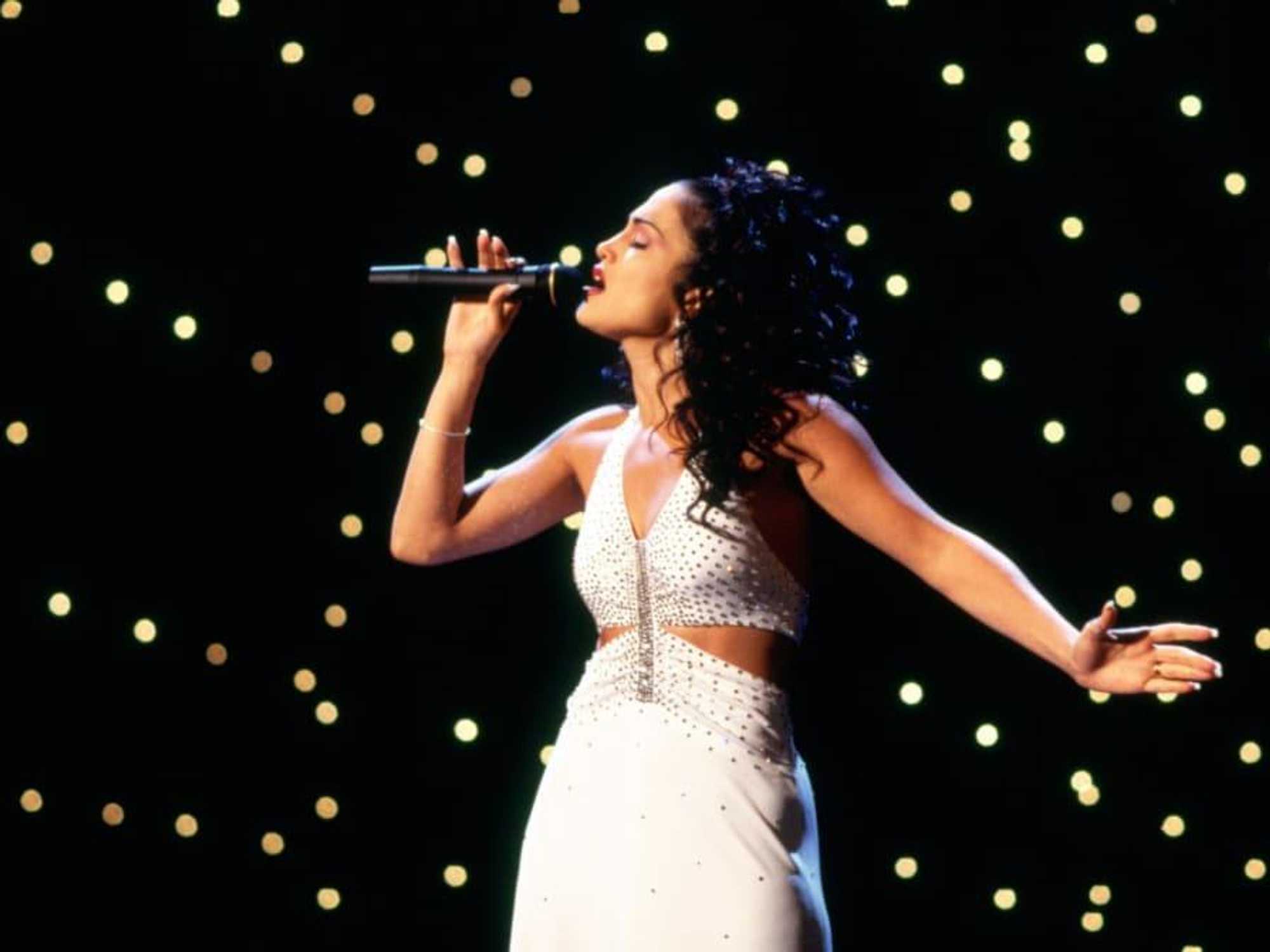
Next week marks 27 years since the death of iconic Texas singer Selena Quintanilla, but her popularity and legacy live on like never before. In honor of that legacy, the movie inspired by her life is returning to the big screen.
The news came on March 21, 25 years since the film was released in theaters nationwide. The film, which was primarily shot in San Antonio, was inducted into the National Film Registry in 2021.
Jennifer Lopez, who starred in the film as the queen of Tejano, celebrated the movie on Twitter:
"This movie means so much to me. Selena and her family mean so much to me, and I was so lucky to be chosen to play her," Lopez wrote. "I'll never forget this time in my life and it's an honor as an artist to have been part of the magic that is this movie."
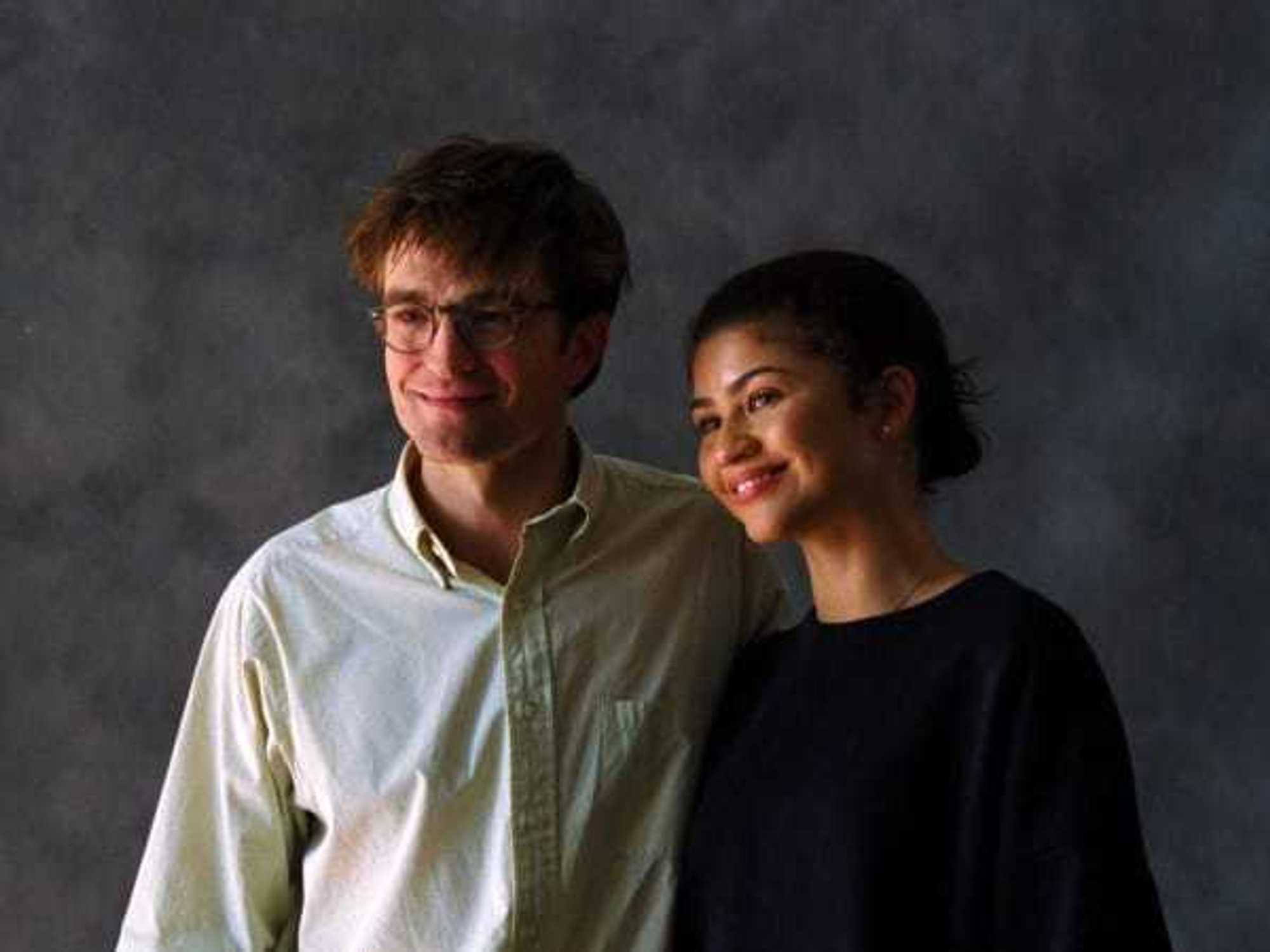
Robert Pattinson and Zendaya will be seen together a lot at the movies in 2026, with mega-films like The Odyssey and Dune: Part Three coming out later in the year. But fans can get a much more intimate look at the two stars in a film that offers a unique take on relationship struggles, The Drama.
Emma (Zendaya) and Charlie (Pattinson) are a New York couple who are engaged to be married. After a quick-but-effective montage of their courtship, the story joins them as they are just days away from their wedding. As they get all the details like music, flowers, and food finalized, a visit to the caterer with married friends Rachel (Alana Haim) and Mike (Mamoudou Athie) proves fateful.
A few too many drinks leads to each member of the group deciding to divulge the worst thing they’ve ever done. While each story is slightly shocking, Emma’s takes the cake, so much so that Charlie starts to question their relationship. As they get closer to the wedding date, Charlie finds it increasingly difficult to get beyond Emma’s revelation, with each real or imagined conversation threatening to derail their previously tight bond.
Written and directed by Kristoffer Borgli, the film is provocative, funny, and cringey as it tries to get to the center of human dynamics. Charlie, Rachel, and Mike have starkly different reactions to Emma’s story, and the way those play out over the course of the film provides, well, the drama. The harder Charlie tries to justify Emma’s past, the more his underlying feelings start to eat at him, causing friction not just between him and Emma, but in other parts of his life, as well.
Strangely, especially for a character played by Zendaya, Emma recedes more than expected. Her explanations for her previous actions are timid at best, and she mostly seems to be waiting for Charlie to forgive her instead of questioning why she needs forgiveness. Borgli favors the male side of the equation, and in so doing he doesn’t dig as deep into the root of the issue as he could have.
Still, the downward spiral at the center of the story has a propulsive nature to it, and each successive step proves to be both hard to watch and impossible to turn away from. It also helps that Borgli manages the tone well, keeping interactions between characters relatively light so that the film doesn’t turn into one like Marriage Story.
Pattinson, who gets to use his own British accent for once, put on an interesting performance that is much better than his last two roles in Mickey 17 and Die My Love. He has good chemistry with Zendaya, who manages to shine despite being laden with a role that doesn’t play entirely to her strengths. Haim and Athie do good work in small roles, while Hailey Grace and Hannah Gross make an impact in brief appearances.
The situation in which Emma and Charlie find themselves in The Drama is not one to be wished on anyone, but it’s presented well by Borgli, keeping tensions high for the bulk of the film. Despite the two main characters not beinggiven completely equal footing, the story finds a way to get to a satisfactory ending.