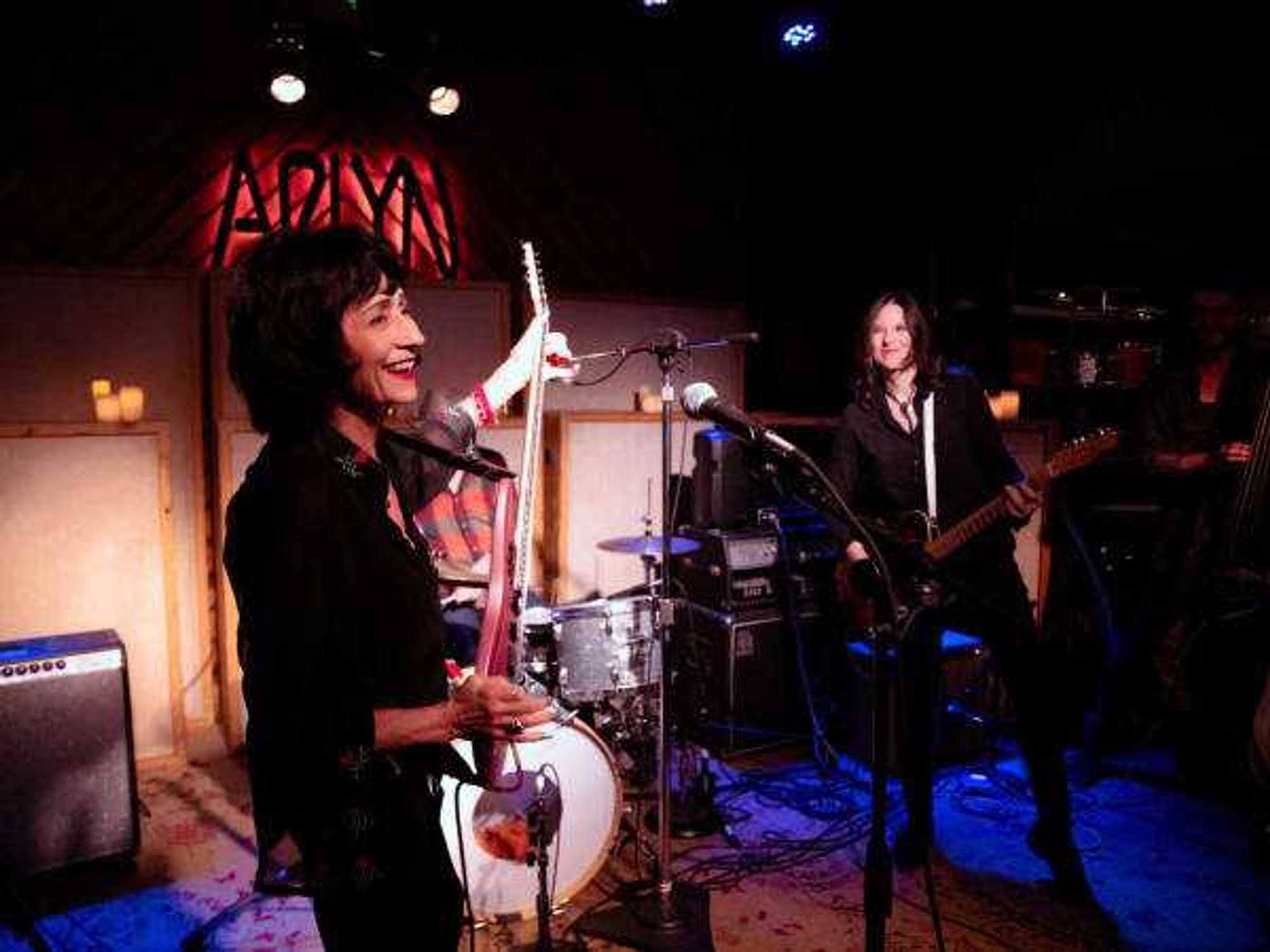
A benefit campaign that uses live music to help other musicians get housing is taking root as an annual event, with more participating venues in its second year. Homecoming (stylized HOMEcoming), running from now through December 1, will raise funds and awareness for HOME in a series of local shows at more than a dozen venues.
New venues in 2026 include 04 Center, Elephant Room, Radio East, and Sam’s Town Point. Other popular venues have signed on again since the inaugural year in 2025, including ACL Live at 3TEN, Antone’s Nightclub, C-Boy’s Heart & Soul, the Continental Club, Emo's, and more. Special activations will also happen at Austin-Bergstrom International Airport.
HOME exists to support Austin musicians as they age, recognizing that they helped build the scene, often while getting priced out of their own neighborhoods. The nonprofit offers housing assistance, support in emergencies, and case management for housing needs.
“Austin’s music legacy isn’t abstract — it lives in the people who spent decades on our stages," said HOME vice president Eve Monsees in a press release. "HOMEcoming gives the entire city a way to show up for them through the venues we love, while generating real support that helps musicians remain safely housed.”
The main Homecoming campaign will happen in November. The concept is simple: fans see shows and a portion of ticket sales or a pledge of $1 per ticket goes directly to HOME. Some venues will also sell special cocktails that add to the donation total, and anyone is invited to make donations directly to the nonprofit.
Artists on the November lineup include Eve Monsees with Mike Buck, Dinosaur Jr. with Stef Chura, French Film with Of Grace and Proun, Sue Foley, Bob Schneider's Lonelyland, and more. There are shows scheduled for almost every day in November, and some days have multiple options.
In addition to funds raised through tickets, more support will be generated through an auction that's already available to browse online. Starting November 1, fans will be able to bid on items like concert experiences, posters, original art, handwritten lyrics, and a pair of music badges for South by Southwest (SXSW) 2027.
There are also some shows both leading up to the program and seeing it off. In October, Saxon Pub is "counting down" to the campaign with shows every Monday. Pianorama with Floyd Domino & Friends and Jennifer Foster & Friends played already on October 5 and 12; Happyland Band and Suzanna Choffel & Friends are coming up next on October 19 and 26, respectively.
On December 1, it all comes to a head for the Homecoming campaign finale at Arlyn Studios. The special event will mark the close of the auction and invite musicians, venues, and other supporters to celebrate together. More information about what's planned is coming later.
Finally, just hosting the shows helps HOME get the word out about its services. HOME is growing significantly as more musicians. become aware of its services. According to the release, the monthly housing support program saw 24 percent growth in "just a few months" since April, and in August, the nonprofit served a total of 62 musicians. Specific services range from attending medical appointments to making home visits, supporting moves, navigating SNAP benefits, and even setting up Lyft rides.