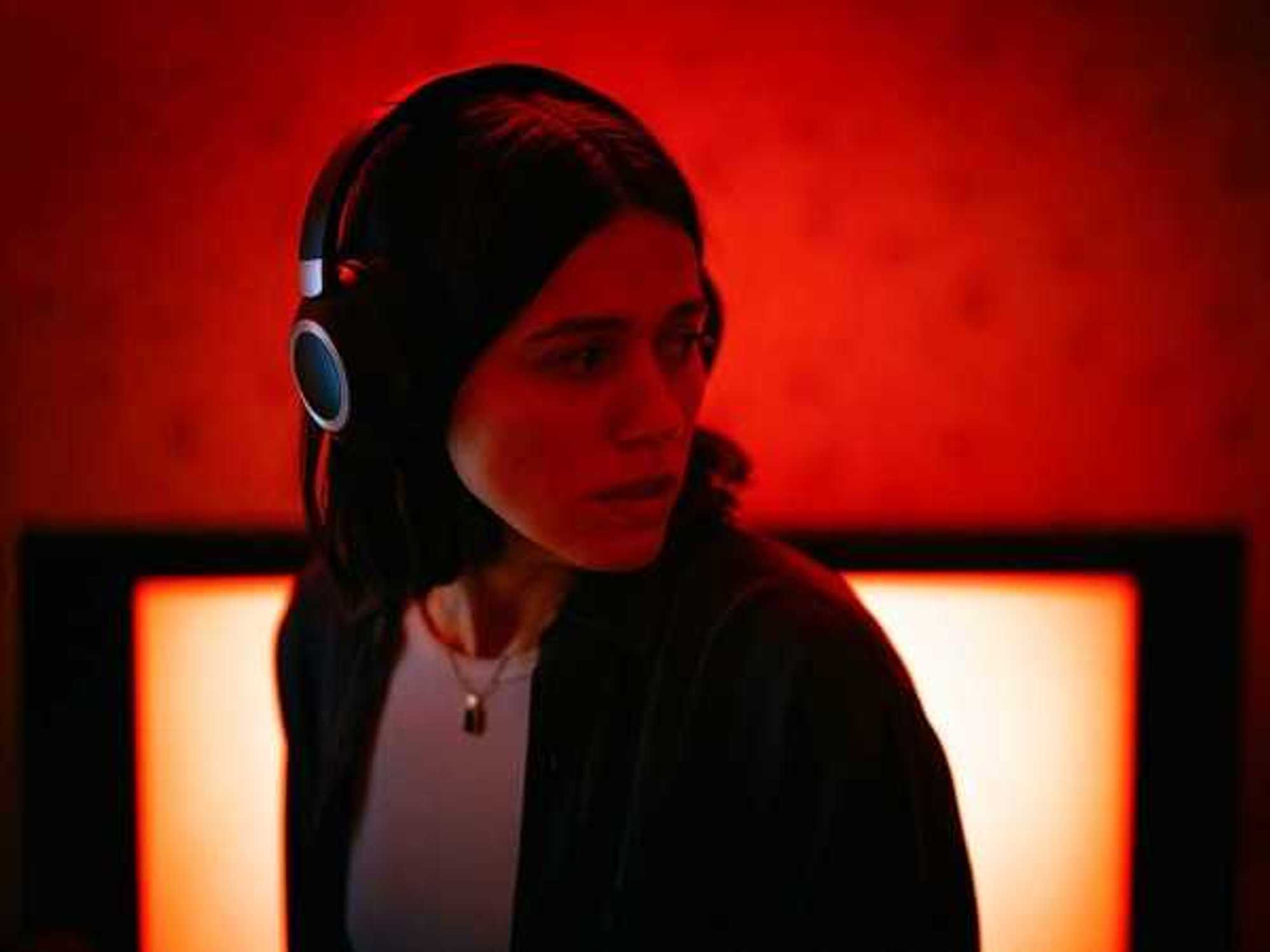
Someone is asking Austinites how they are today, and it's not Daniel Johnston. This time, it's Tyler Coe, formerly a host and producer with the Austin-based online entertainment company Rooster Teeth. How Are We Today?, an educational sitcom hosted by Coe about mental health, premiered September 15 on PBS.
Austinites got to preview the locally based show on September 13. Austin PBS is the show's presenting station and distribution partner, and it is available to watch across the country.
Although the show takes a familiar PBS format aimed at kids — specifically inspired by shows like Mr. Rogers' Neighborhood, Sesame Street, and Bill Nye the Science Guy — it takes a more mature approach aimed at ages 12 and up. Calling it a "sitcom" is also more of a touchstone than a hard category, as Coe is more of a host than a main character.
Still, Coe is joined by cast members and former Rooster Teeth colleagues Barbara Dunkelman, Mariel Salcedo, and Elyse Willems, to discuss mental health topics, contextualize them with skits that reference other popular media, and give practical tips. Resident psychologist Dr. Erin Newins also joins the fun to ensure responsible education.
The first episode focuses on a condition Coe really has, bipolar disorder. According to a press release he was diagnosed when he was 12.
“With 15 years in the entertainment industry and experience with mental illness, I saw an opportunity to create something fresh that can speak to and help all of those who suffer from mental health challenges,” said Coe in the release.
The episode introduces the topic when Coe's "neighbors" (Dunkelman and Salcedo) come over to ask him to quiet down, since they've been unable to sleep. Coe realizes he doesn't know what time of day it is because he's been hyperfixating on playing the piano.
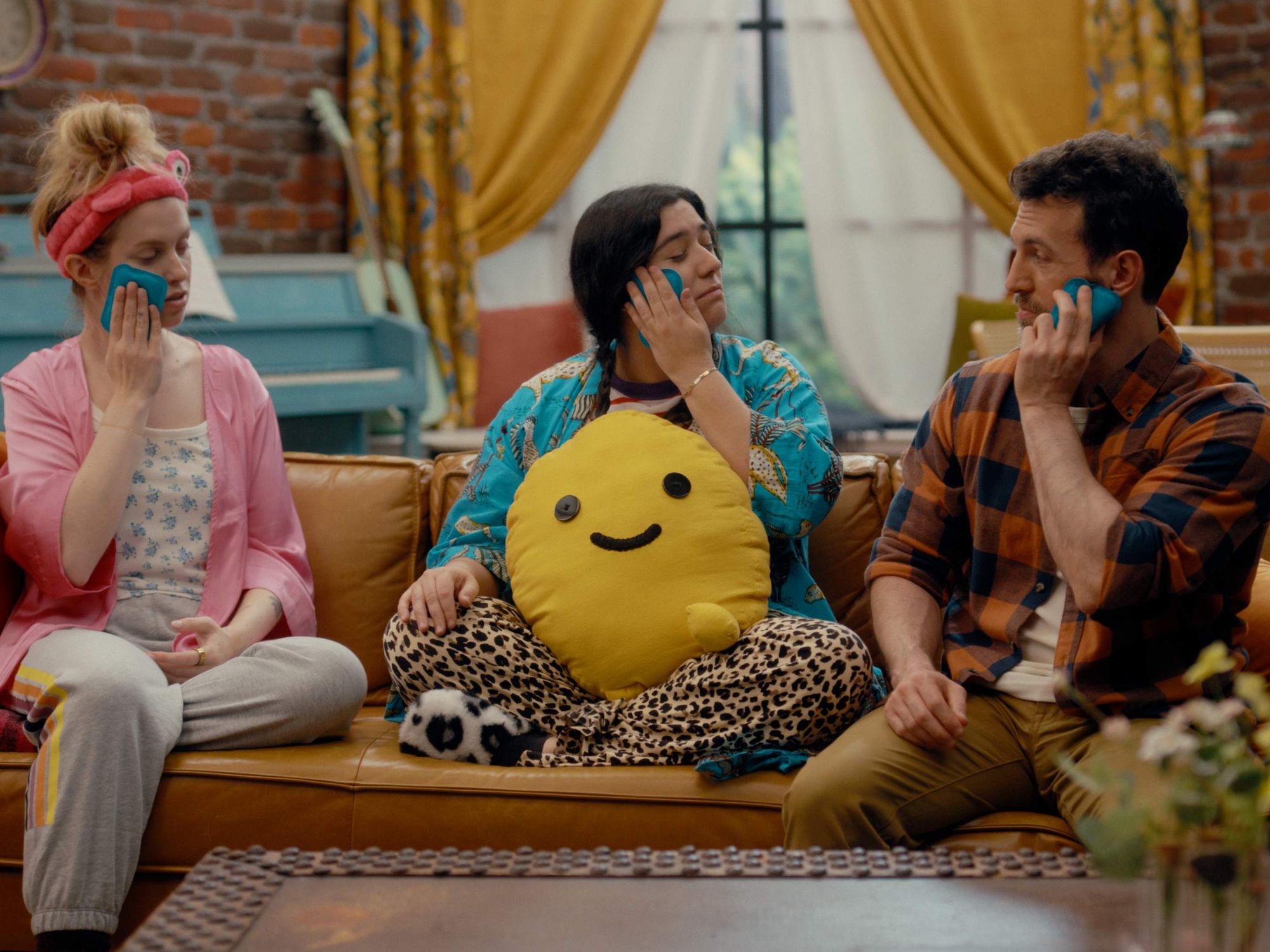
After a bit of preamble about what hyperfixation and hypomania are, the trio sit down and talk about Coe's experience. Wordless skits illustrate the concepts behind their voices. Later, Newins comes over to teach the gang how to apply ice to their faces to stay grounded in the present moment.
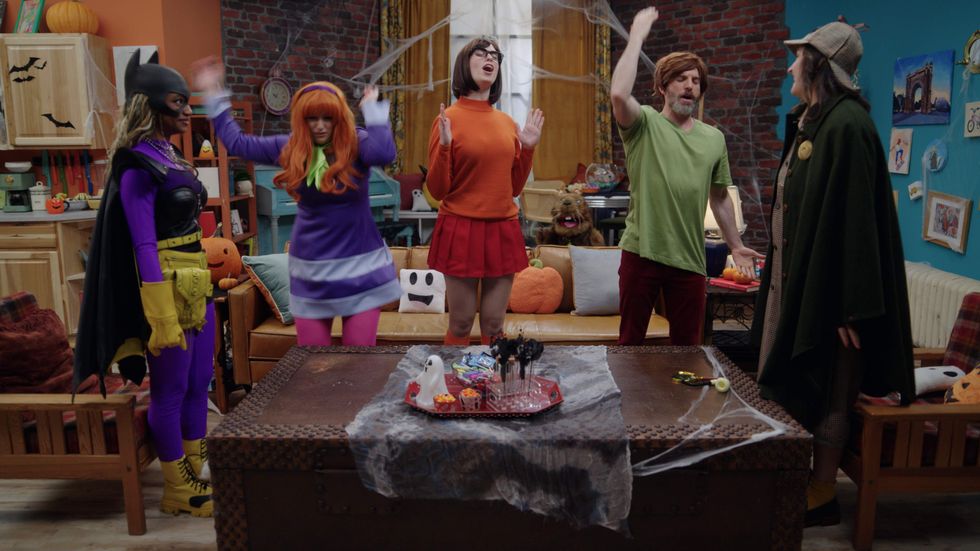 The show injects fun into serious conversations using costumes and references.Still from How Are We Today?
This definitely isn't the type of show viewers might passively binge on the couch, and realism is clearly not the goal for the writers or actors. However, whereas the structure feels like a kids show, the topics are challenging enough to actually teach an adult a significant amount to keep them invested — especially if they aren't already well versed in the nuance between different therapy modalities, disorders, and symptoms.
Six more seasons are coming in the first season, discussing depression, social anxiety, ADHD, and panic attacks along with bipolar disorder.
Viewers can tune in for new episodes Saturdays at 6 pm on the PBS app and on air through PBS local affiliates. Reruns will air Thursdays at 2:30 pm starting September 18. Tech company Emerson is the show's largest corporate sponsor.