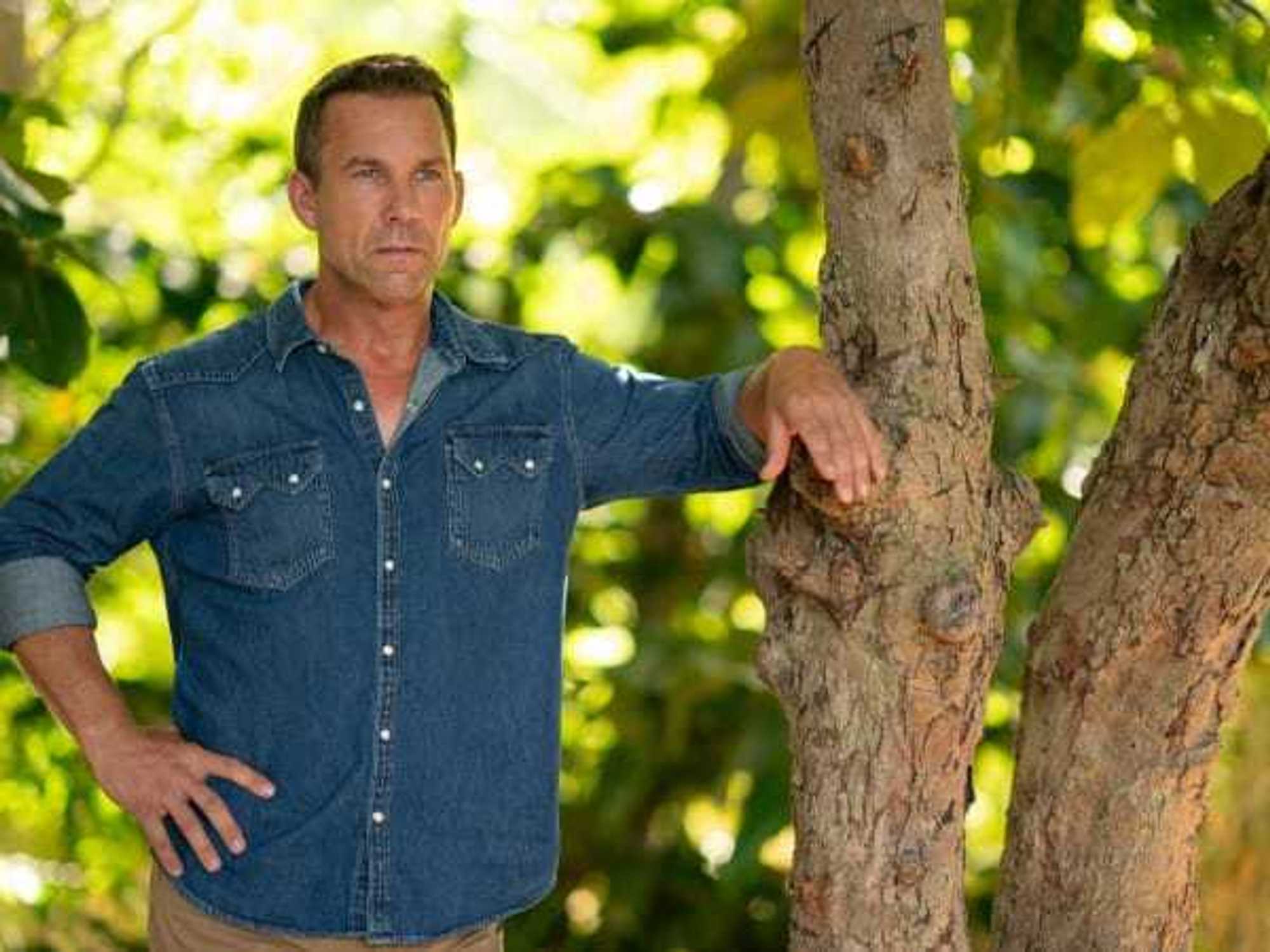
Austinite Colby Donaldson may be one of the older contestants on the upcoming Survivor 50, but he remains one of the show’s defining early stars. When he first appeared in 2001, Donaldson was introduced to viewers as a young West Texas ranch hand whose physical dominance, authenticity, and loyalty made him a continuing fan favorite.
Now, 25 years after his breakout appearance and a defining final immunity decision that helped shape his legacy, Donaldson is returning for his fourth round competing on the show. He said his perspective has shifted from chasing victory to approaching the game with gratitude for what it has given him.
“It was important to close this incredible chapter in the right way,” he says.
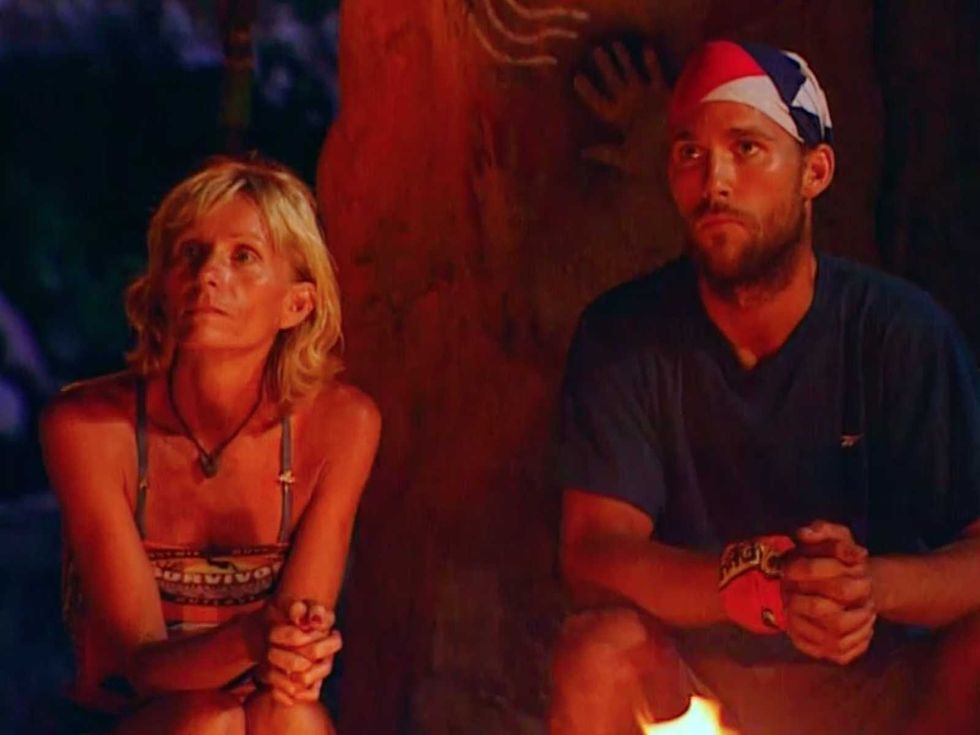
 Tina Wesson and Colby Donaldson appear during the finale of Survivor: The Australian Outback.Photo Courtesy of CBS Entertainment
Set in Fiji, Survivor 50: In the Hands of the Fans will premiere with a three-hour episode on February 25, bringing together a record two-dozen returning contestants from across the show’s 25-year history.
The cast includes early standouts such as Cirie Fields, Ozzy Lusth, Benjamin “Coach” Wade, and Donaldson, alongside more recent competitors including Dee Valladares, Q Burdette, Charlie Davis, and filmmaker Mike White. The milestone season places players from Survivor’s earliest era into direct competition with contestants shaped by the game’s modern strategy.
Donaldson, the first to step up for Survivor 50, said he entered the competition with a different mindset than in his earlier appearances, recognizing how much the game has changed. Speaking with TVLine, Donaldson says he approached the experience with a greater sense of perspective, focused less on proving himself physically and more on appreciating the opportunity to compete again. He echos those comments to CultureMap.
“I had a much more positive mindset and a much truer sense of purpose and reason for going back,” he says. “It didn’t feel as selfish this time.”
Donaldson’s place in Survivor history was cemented during that second season, when he won the final immunity challenge and chose to bring Wesson to the Final Two. The decision ultimately cost him the $1 million prize but became one of the most memorable moments in the show’s history and helped define his reputation as a competitor guided by loyalty as much as strategy.
For Donaldson, however, Survivor’s lasting impact has extended beyond the game itself, including a brief stint in Hollywood before he returned to run his family's West Texas cattle ranch and launch a fabrication business.
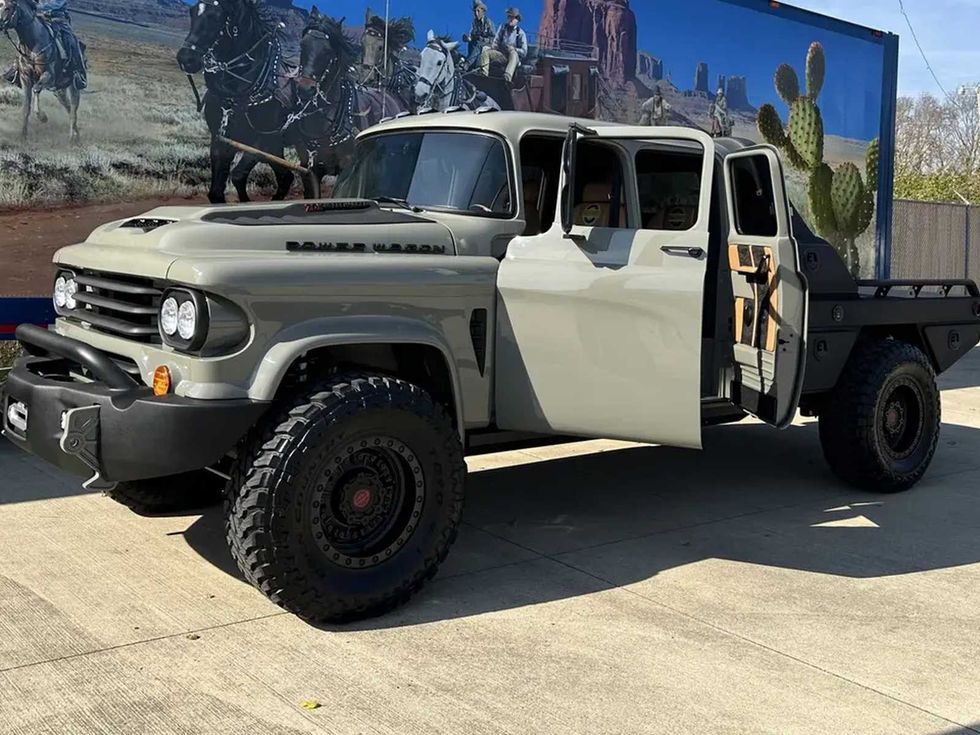
Working with television host Mike Rowe and the MikeRoweWorks Foundation, Donaldson designed a custom Dodge Power Wagon that sold for $1.5 million at auction in 2025, with proceeds funding scholarships for students pursuing careers in "skilled trades" such as construction and automotive maintenance. Rowe described it as "the mother of all work trucks." The project combined Donaldson's lifelong work as a welder and fabricator with a broader mission to support hands-on careers.
“That’s one of the biggest honors and privileges I’ve had so far,” Donaldson says. “None of that happens if Survivor doesn’t take place in my life 25 years ago.”
The truck at Colby Donaldson designed that sold at auction for $1.5 million to an anonymous bidder.Photo Courtesy of Barrett-Jackson
Donaldson currently continues that work as a project manager with Austin-based LandWest Design Group, where he contributes to outdoor construction and design projects. He also helps to maintain his family’s fourth-generation ranch south of San Angelo, raising cattle and goats on land his family has worked for generations.
Returning to Survivor, he says, wasn’t about reclaiming a title, but about honoring the experience that helped shape his life and career. Asked what bit of Austin culture he would want to share with others, Donaldson spoke of the beauty of the rural Hill Country and his devotion to Salt Lick BBQ in Driftwood.
“Their potato salad is all world,” he says. “That’s a 10 in my book.”
Viewers can tune in for the three-hour broadcast at 7 pm on CBS or on the streaming service Paramount Plus.


 Adults can take a break with Launch's video games.Launch Entertainment/Facebook
 Tina Wesson and Colby Donaldson appear during the finale of Survivor: The Australian Outback.Photo Courtesy of CBS Entertainment
 The truck at Colby Donaldson designed that sold at auction for $1.5 million to an anonymous bidder.Photo Courtesy of Barrett-Jackson