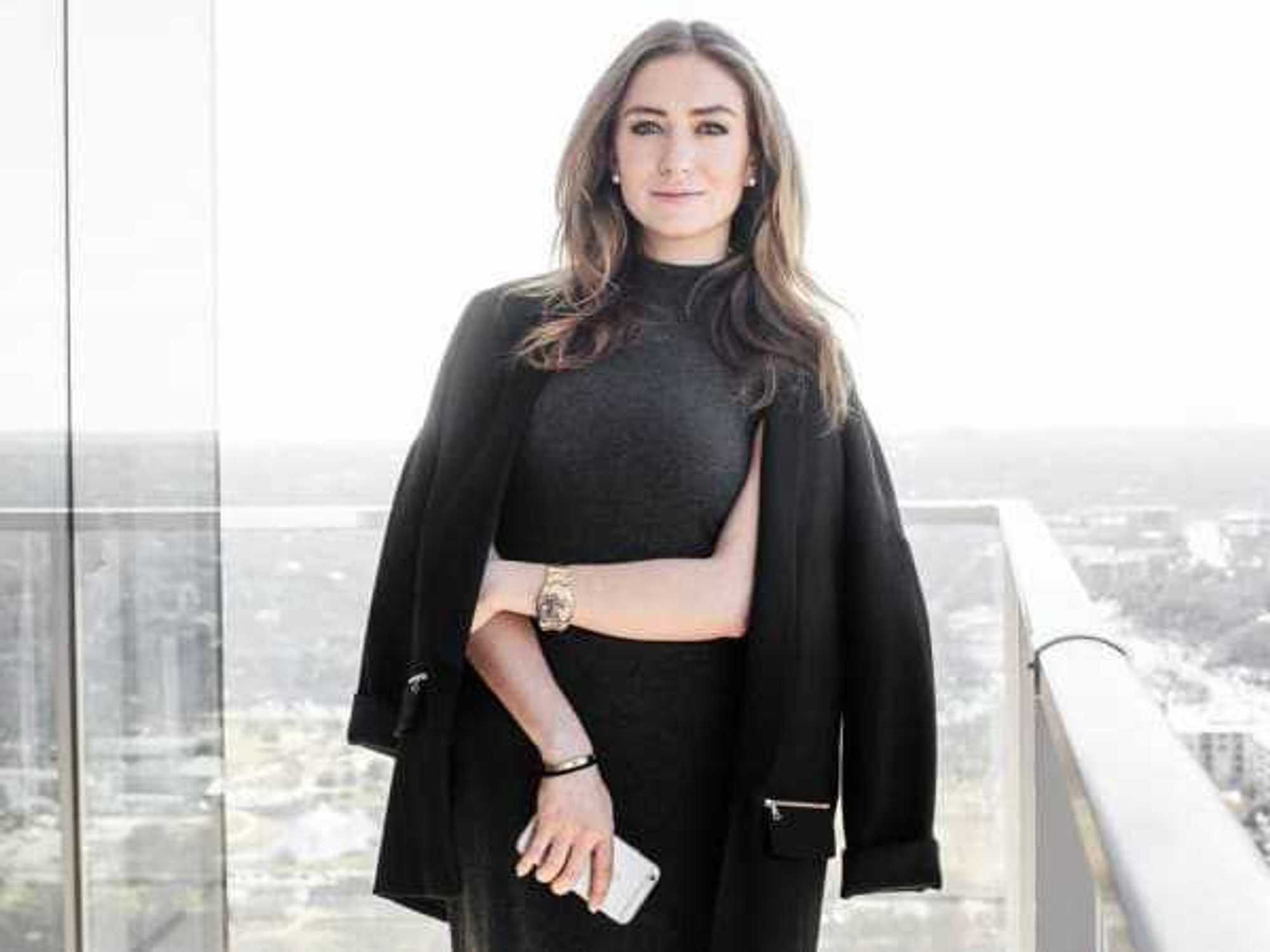
Paging all doctors: If you're seeing patients in Texas, you've come to the right place. With its flourishing economy and high-quality care, Texas is the sixth best state for doctors. Financial website WalletHub sifted through factors such as income and job competition, and here's why Texas comes out on top.
To start with, doctors benefit from Texas' financial environment. As WalletHub points out, the average medical school graduate incurs about $180,000 in debt. While the starting income for a doctor in Texas is $47,600 — still the seventh highest in the nation — physicians and surgeons earn an average of $217,970 per year.
On top of that, doctors are in high demand in the Lone Star State. Currently, there are 153 doctors per 100,000 Texans; WalletHub expects that number to grow to 203 doctors per 100,000 people in the next six years.
There's good news for patients too. The report analyzed the quality of medical care in each state, and Texas ranks the fourth best. Quality of care is demonstrated by a low number of malpractice payouts and disciplinary actions as well as reasonable malpractice liability insurance rates.
Texas isn't just great for doctors; professionals across the medical field are thriving in the Lone Star State. In fact, Austin, Houston, Dallas, and San Antonio rank among the best cities for registered nurses.
To help ensure his career is “alright, alright, alright” in the AI era, Oscar-winning movie star Matthew McConaughey has trademarked two of his greatest assets: his face and voice.
Last year, the U.S. Patent and Trademark Office issued eight trademarks designed to prevent AI users from mimicking McConaughey’s likeness or voice without authorization. Applications for the trademarks, known as “motion marks” and “sound marks,” include:
A 7-second video of him seated near a fireplace and Christmas tree in his living room.
A 7-second video of him standing on a porch
A brief audio clip of him saying, “Just keep livin’, right?” J.K. Livin Brands, which owns McConaughey’s Just Keep Livin apparel business, controls the trademarks.
A brief audio clip of him uttering his iconic “Alright, alright, alright” catchphrase from the 1993 cult classic film Dazed and Confused.
“My team and I want to know that when my voice or likeness is ever used, it’s because I approved and signed off on it,” McConaughey, a Uvalde native and longtime Austin resident, told The Wall Street Journal. “We want to create a clear perimeter around ownership with consent and attribution the norm in an AI world.”
As AI continues to infiltrate the entertainment business, McConaughey and other Hollywood A-listers are pursuing trademarks to stop AI-driven misuse of their faces and voices. However, everyday actors with limited resources may be unable to afford going through the trademark process and defending a trademark violation.
“Some actors fear a possible future in which studios will pressure them to sign away their likeness,” Scientific American reported in 2023, “and their digital double will take work away from them.”
The Wall Street Journal notes that various actors and singers have grappled with AI-created fake videos, audio, and images on the internet, including Tom Hanks and Taylor Swift. A study released in 2024 by the International Confederation of Societies of Authors and Composers predicted AI-generated content could cause music creators to lose 24 percent of their revenue by 2028, and could lead to screenwriters and directors losing 15-20 percent of their revenue.
The threat of AI stealing work from actors became a sticking point in 2023 negotiations between entertainment studios and striking members of SAG-AFTRA, a labor union representing performers, recording artists, and broadcasters.
Kevin Yorn, founder and managing partner of Southern California law firm Yorn Levine, which handled the trademark applications for McConaughey, says that while the actor and his attorneys support the evolution of AI, legal boundaries must be put in place.
“Protecting individual voice, image, and intellectual property is essential to building a future that works for everyone,” Yorn says in a statement provided to CultureMap. “Along with Matthew, we are forward-looking, engaged in the possibilities of AI, and thoughtful about how everyone’s creative identity is represented and protected.”