A chef born and raised in Austin has returned home from a Colorado sojourn to open his first restaurant, showcasing an uncommon but organic new cuisine made from Mexican, Thai, and Lao cultures. Hermanas, by Chef Silvino Sanchez, is open now at 1100 E. 6th St.
The new restaurant reworks the former site of Ah Sing Den, which closed in 2024. The hospitality group replaced it with a new concept called Oko, which also quietly closed around the beginning of 2026. Sanchez is coming back to the Austin food scene after four years in Denver as sous chef at the prestigious Michelin-starred restaurant Bruto.
Although Hermanas somewhat resembles the two preceding restaurants by offering Southeast Asian fusion cuisine, it's just a coincidence; the concept is brand new, and Sanchez is at the wheel with a very personal backstory. Though he worked years ago with Chef Thai Changthong at Thai Kun, a now-closed local restaurant by former Oko collaborator Paul Qui, there is no affiliation with Qui. One of the other Oko partners set Sanchez up with the coveted, even iconic East Sixth Street space.
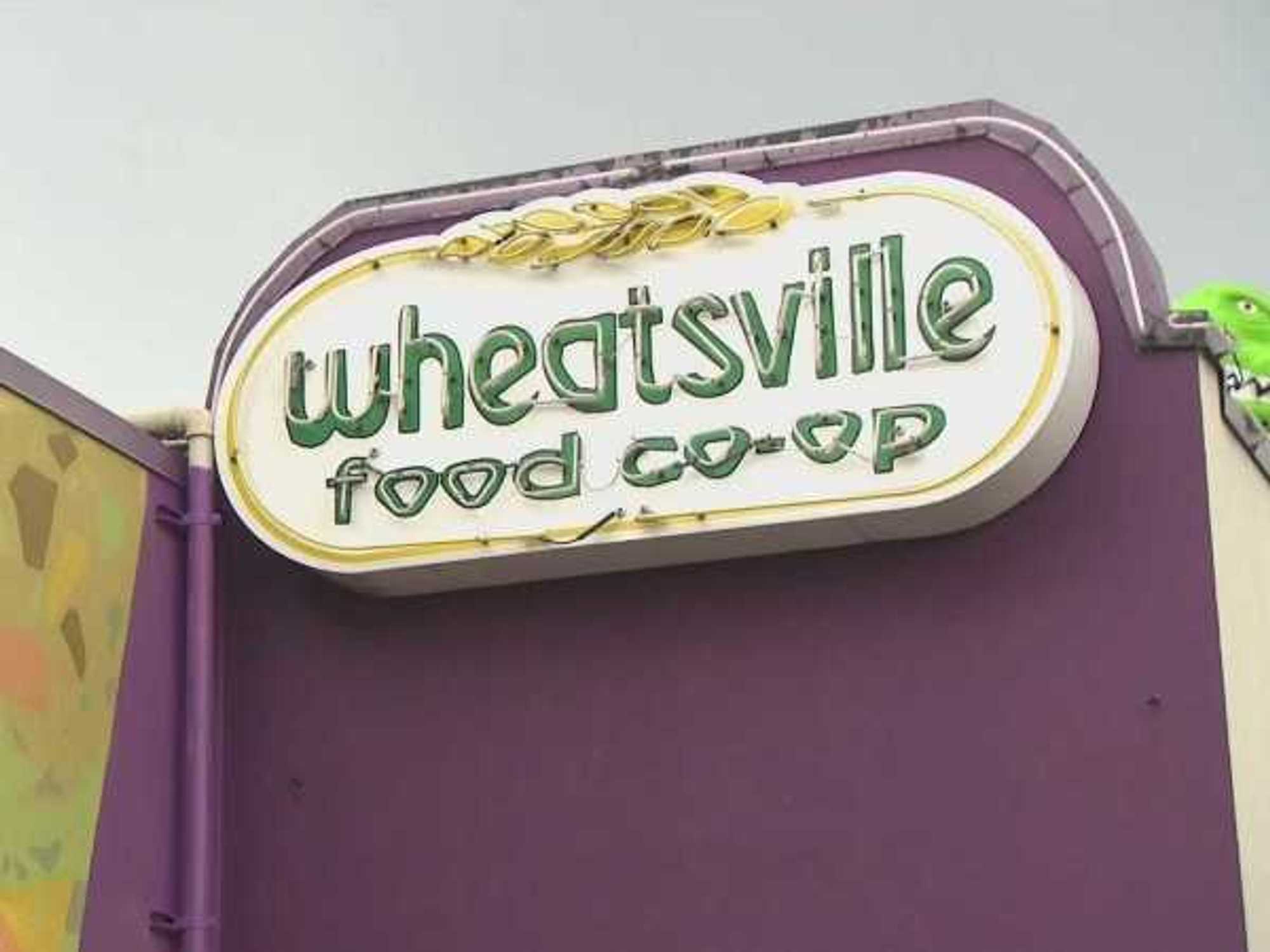
"I'm really honored to be in this space that's had like so many businesses in and out of it," Sanchez says, adding that he plans for the concept to stick around. "We're really leaning into what the space used to be and what it currently is now. I mean, we still have the old neon sign up and [we're] planning to keep that. It's one of those iconic things of Austin."
The 52-seat dining room has undergone a full transformation, although guests who were familiar with Ah Sing Den might still be able to imagine the old layout in the space. Mexican elements are all over, including milagros and posters inspired by the train station in Sanchez's father's hometown. The renovation also adds 22 seats on a temperature-controlled patio.
Converging cuisines
Rather than simply serving classic dishes from each culture next to each other, Hermanas will present dishes that truly integrate the ingredients and cooking techniques that make each cuisine unique. That includes things like "bread and butter" with corn butter, corn silk, and smoked trout roe; wagyu larb with lime leaf aioli, cured egg yolk, shaved almonds, and toastadas; and stone fruit guajillo aguachile with red snapper, candied seaweed, plum cucumbers, and charcoal chili oil.
These inspired dishes aren't about elevating or recontextualizing any of the cuisines represented. In fact, the chef makes it a point to resist the pressure to add European glamor to dishes that don't need it.
"Cultures all across the world have very intricate techniques, and this rich cooking culture — that doesn't need influence from European cultures — it's great just on its own," he says.
On the beverage side, natural and semi-nature wines represent different regions of Mexico while providing balance with the food menu. The cocktail program is based on agave spirits, both in classic cocktails and new mixes invented to show off Southeast Asian flavors. Highlights include the Thai Iced Tea Carajillo with a Thai tea oat foam and the White Negroni with essence of mango and jasmine.
A multicultural life
Sanchez says this particular combination of cuisines wasn't really a calculated choice; his cooking interests were shaped by his friends growing up, and he dove deeper while building up his professional career.
When Sanchez was in high school, his father built a house in Del Valle and the family moved out there, beyond the more urban Austin setting where kids could independently hop on a bus and meet up with friends. But getting familiar with the more immediate community had a transformative effect.
Two local touchstones brought the surrounding Asian communities into focus for this Mexican-American family: a Thai temple down the road, where organizers would set up enticing food stalls for Thai and Lao New Year celebrations, and a restaurant, Pearce Cafe. Sanchez's mother befriended the owner of the cafe, who also had a child around the same age. Both children grew up to become chefs and reconnected when working at the now-closed Thai Kun together.
Sanchez said then he was "at a really weird place" concerning cultural identity while working at Thai Kun: the classic third-culture kid experience of struggling to identify with their family's pre-immigration culture and their current cultural surroundings. He spent summers with his maternal grandmother in Guadalajara, but that was only part of his identity.
"I was in this weird in-between space, and my grandmother had just died, so I like felt like I lost that connection with my Mexican roots," says Sanchez. "I really felt brought in by [Thai] culture, and them having this excitement to share their culture with me made me want to have that same excitement for my Mexican heritage," he says. "[I was] learning all I could about Thai cooking because it was like this new, fresh thing straight out of culinary school — working at a Thai restaurant, working at my first serious kitchen."
A tale of two cities
Hermanas ("sisters" in Spanish) is a metaphor that goes a few layers deep. Sanchez's father is from Ejido Primero de Mayo in Coahuila, Mexico, which is known by locals as Hermanas. This, in turn, refers back to the Hermanas train station that brings people back and forth with Mexico City.
Sanchez's father would take the train to visit family, and Sanchez started to think of the train as a symbol in his own life. It represents his connection to the culture, as well as connections from the different parts of himself to each other. Like trains, which once kicked off a revolution in getting places quickly, food can connect us to other cultures in just one bite.
Hermanas is open from 5-10 pm Wednesdays, Thursdays, and Sundays, and 5-11 pm Fridays and Saturdays.