Get ready to join the herd at the Lariat Stampede 5K on April 18 in Liberty Hill. It will be a scenic spring celebration of fitness, fun, and community.
Set against rolling Hill Country terrain, the event welcomes runners and walkers of all levels the scenic Lariat community with a chip-timed course and cash prizes. Pre-race festivities begin at 8 am, and the race kicks off at 9 am sharp. Participants are encouraged to register early, which you can do here.
Your registration includes entry into our chip-timed racecourse, the official Lariat Stampede 5K t-shirt, a custom race bib, and a signature finishers' medal. Stick around after you cross the line for family-friendly post-race celebrations full of community spirit.
Cash prizes will be awarded to the Top Overall Male and Female racers during the awards ceremony, which begins at 9:45 am. Here's what you could win:
- 1st place: $100
- 2nd place: $50
- 3rd place: $25
- Stroller Strider 1st place: $25
Plus, there will be awards for the top male and female in each age group:14 and under, 15-19, 20-29, 30-39, 40-49, 50-59, and 60 and up.
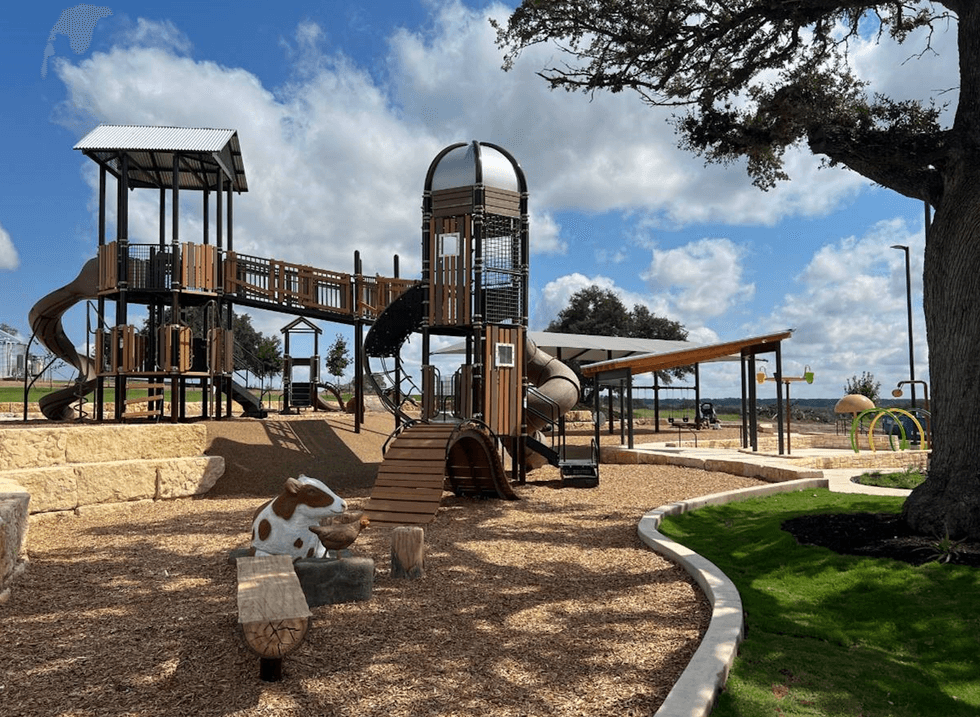
 Register to join now. Photo courtesy of Lariat
Beyond the race, the festival atmosphere includes a DJ, food and drinks, face painting, custom chain stitching, a petting zoo, new model homes to tour, and more.
Whether you’re chasing a personal best or enjoying family-friendly activities, the Lariat Stampede showcases outdoor living and community spirit.
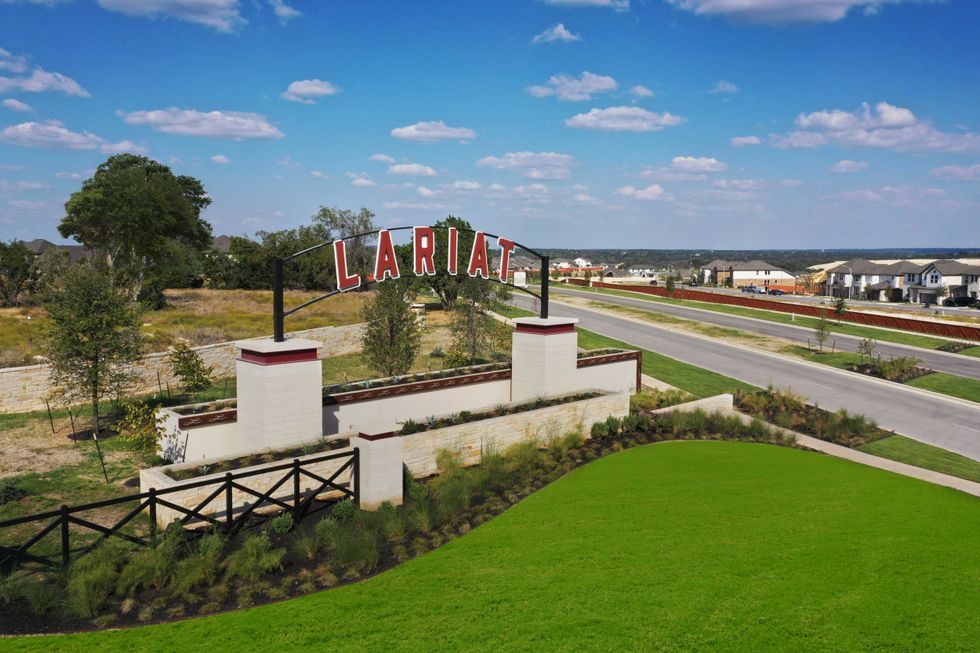
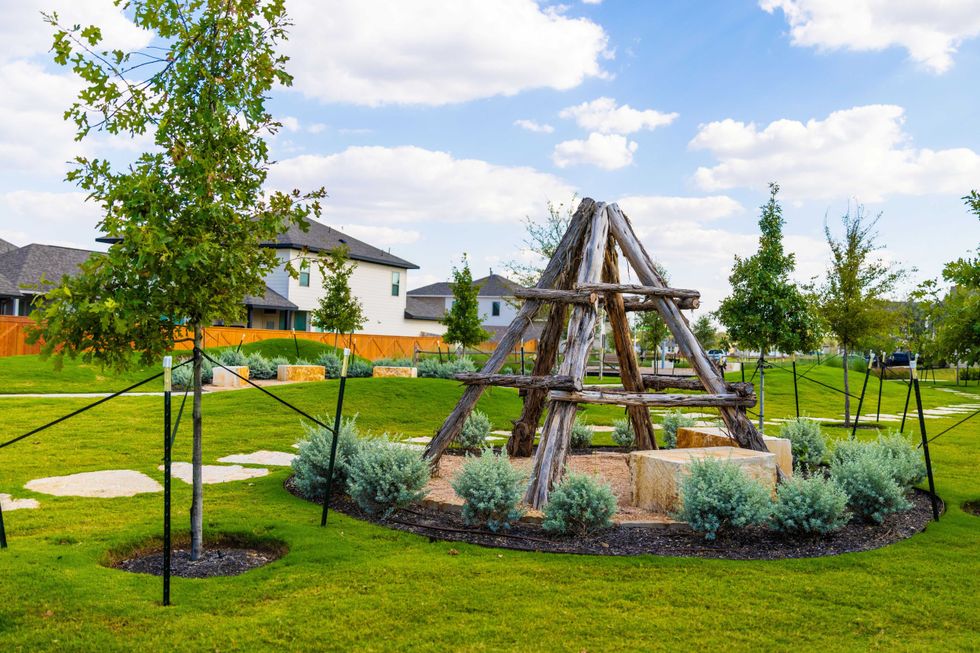
If you've never been to Lariat, the Stampede 5K is the perfect time to experience this idyllic master-planned community. It's where tradition is valued, along with a slower-paced lifestyle.
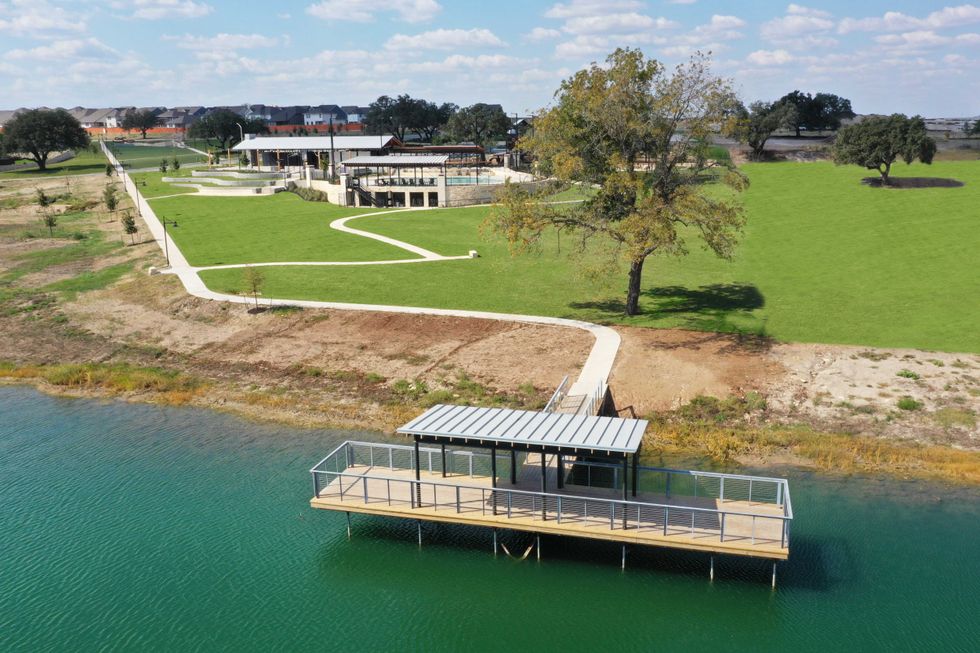
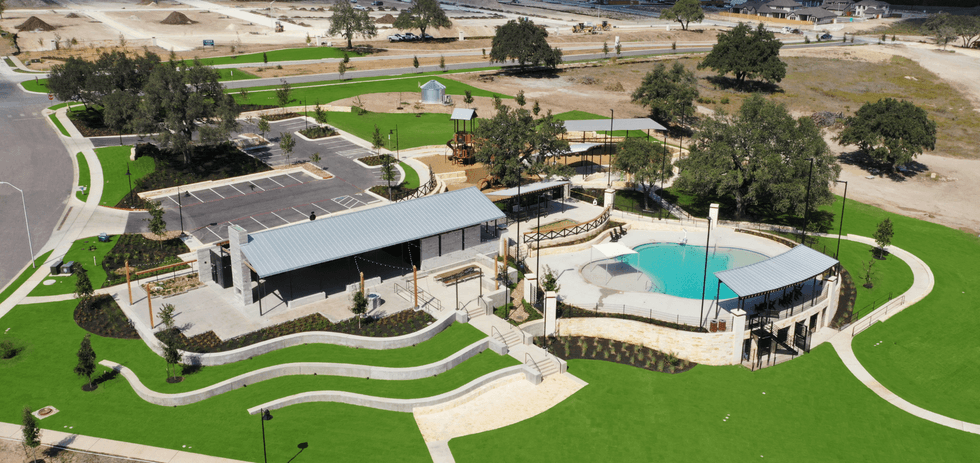
Residents appreciate the community's strong sense of belonging and enjoy activities like fishing off of Lariat's private dock, playing frisbee (dogs are invited, too!), swimming at The Watering Hole, celebrating milestones, getting competitive on the sports court, or walking their kids to school at Lariat Trails Elementary (opening Fall 2026).
Lariat prides itself on helping people get back to the basics. Register you and your family today to experience Lariat and be part of the excitement. Use code CULTUREMAPVIP26 before April 7 to receive a discount.
A portion of event proceeds proudly supports Lariat Trails Elementary School.

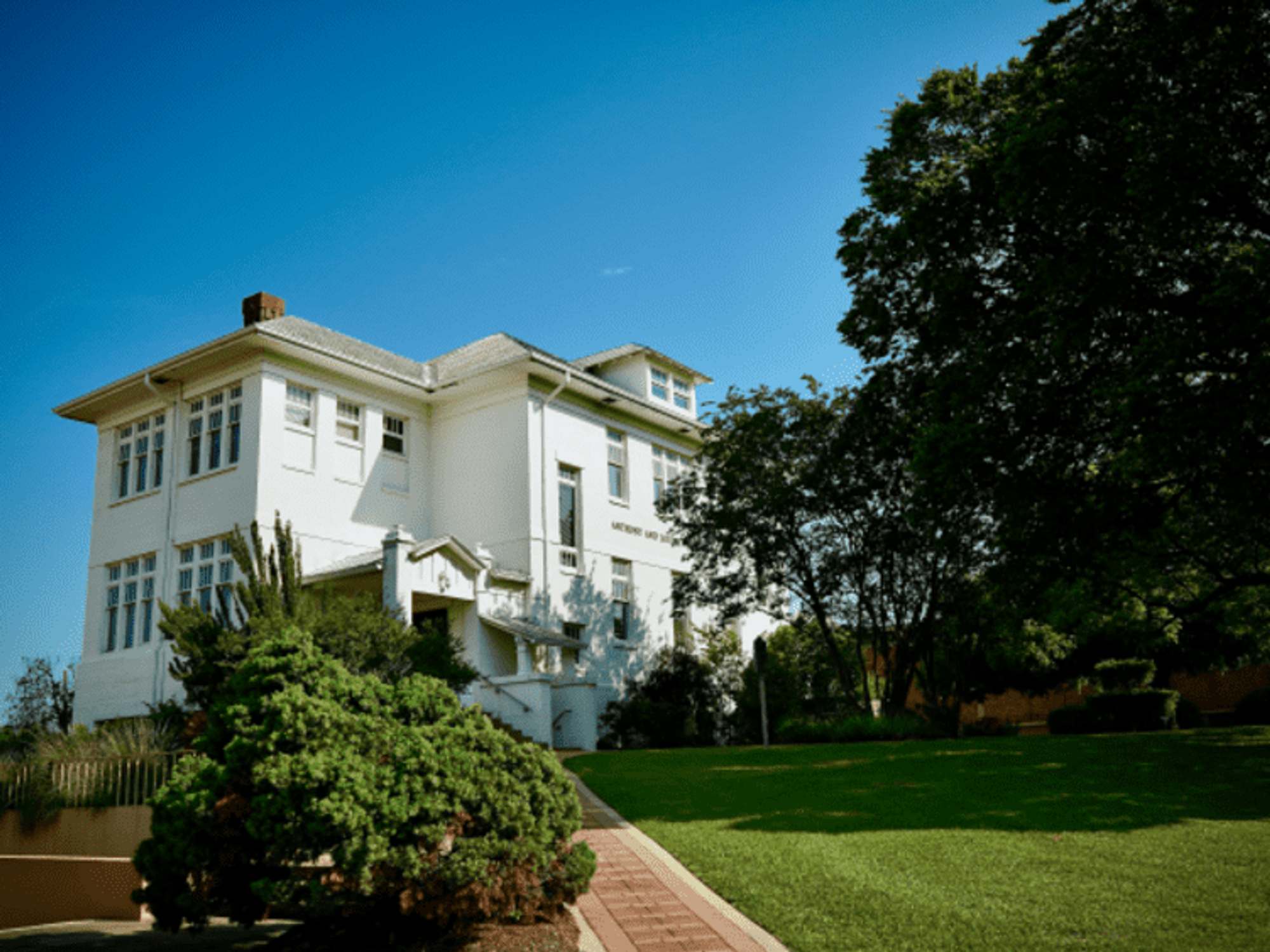


 Register to join now. Photo courtesy of Lariat