South by Southwest (SXSW) may be best known for music, but there’s a whole other side of the festival worth exploring. (We'll have another roundup just focusing on music coming soon.) All across Austin through March 18, you’ll find pop-ups, markets, panels, art installations, tech demos, drag brunches, and plenty of unexpected experiences, many of them completely free.
Don't worry, we've done the heavy lifting for you and come up with a list of 20 things to do — no badge or purchase required. Remember that you may need to RSVP to some events, so take a look in advance at anything you're particularly interested in doing.
SXSW EDU Expo – March 11, 9 am to 4 pm
Austin Marriott Downtown, 304 E. Cesar Chavez St.
The SXSW EDU Expo is a collaborative hub showcasing innovations in learning through interactive exhibits, networking opportunities, and curated programming featuring trailblazing organizations and education leaders. Attendees can explore cutting-edge ideas and technologies shaping the future of education alongside thousands of global education professionals.
Paseo Artist-in-Residence Walkthrough – March 11, 6:30-8:30 pm
Paseo Residences, 80 Rainey St.
Guests are invited to tour Paseo’s penthouse residence while experiencing the building’s Artist-in-Residence program through thoughtfully curated art displays. The evening includes wine, bites from Amaya, and a DJ set by Nightcap as part of SXSW programming celebrating creativity and design.
Food Tank's “All Things Food” Summit – March 12, 10 am to 7:30 pm
Barr Mansion, 10463 Sprinkle Rd.
Food Tank’s 7th Annual All Things Food Summit gathers farmers, chefs, policymakers, entrepreneurs, and advocates for a full day of programming exploring the future of sustainable and equitable food systems. The event features panels, live music, short film screenings, storytelling, and networking experiences highlighting innovative solutions across agriculture, food policy, and community resilience.
 2025's "All Things Food" summit was as delicious as it was educational. Photo courtesy of Food Tank
Congress Avenue Block Party – March 12–18, 11 am to 7 pm
900 Congress Ave.
The Congress Avenue Block Party is a central and official SXSW gathering space where attendees can relax, connect, and enjoy complimentary drinks, food, and sponsor swag throughout the week. Newly open to the public in 2026, it’s an easy downtown meeting point for festival-goers looking to take a break and recharge between events.
Nikon ATX Pop-Up Experience – March 13-18
918 Congress Ave.
Nikon ATX is an interactive pop-up experience where SXSW attendees can get hands-on with the brand’s newest mirrorless cameras, including the Z5II and Z50II. The activation features photo walks, portrait studio sessions, and creator-led panels with photographers and filmmakers throughout the week.
Bootleg BBQ UK Music Showcase – March 13, 4-7 pm
Sam’s Town Point, 2115 Allred Dr.
British Underground’s Bootleg BBQ returns to SXSW with a free showcase spotlighting emerging UK artists including Karma Sheen, Whitelands and Congratulations. There will be music, but we're considering this a general event thanks to complimentary beer and classic Austin barbecue at one of the city’s most beloved honky-tonk venues.
Flatstock – March 13-15, 10 am to 5 pm
Austin Marriott Downtown, 304 E. Cesar Chavez
Flatstock is back for another crowd-pleasing year. At this internationally recognized poster art exhibition visitors can browse and purchase limited-edition prints, posters, stickers, and artwork from renowned designers and illustrators. The event also offers a chance to meet the artists behind iconic concert posters and pop culture designs.
 In 2025 Flatstock was packed with festival-goers looking for poster art. Photo by Alison Narro
SXSW Expo: International Innovations – March 14, 9 am to 4 pm
Fairmont Austin, 101 Red River St.
The International Innovations Expo brings together hundreds of exhibitors from around the world presenting groundbreaking ideas in technology, design, social impact, health, and entertainment. Guests can explore interactive displays and connect with innovators shaping the future across multiple industries. The expo is running multiple days, but the 14th is a dedicated public day.
Kinda Tropical Vintage Market with Tropicana Joe – March 14, noon to 6 pm
Kinda Tropical, 3501 E. 7th St.
This unofficial SXSW vintage market brings together local vintage sellers for an all-day shopping experience featuring unique clothing, accessories, and retro finds. Guests can browse curated pieces while enjoying the laid-back vibe of one of Austin’s favorite tropical-inspired hangouts.
Spring Maker’s Market & Pet Adoption – March 14, noon to 5 pm
Dripping Springs Vodka Distillery, 5330 Bell Springs Rd.
This community pop-up market features local handmade and vintage vendors alongside a pet adoption event connecting animals with new homes. Guests can enjoy drinks, sweet treats, and food while exploring unique small businesses, supporting local makers, and possibly meeting their new fur baby.
Black Makers Market – March 14, noon to 4 pm
George Washington Carver Museum, 1165 Angelina St.
The Black Makers Market highlights 40 Black-owned brands and creatives offering handmade goods, art, and unique products in a vibrant community marketplace. The free event encourages guests to shop intentionally while supporting local Black entrepreneurs and artists.
Vision:8291 – March 14-17
Almost Real Things Gallery, 916 Springdale Rd.
DAWA’s Vision:8291 is a four-day cultural series featuring live podcasts, panel discussions, film screenings, and music performances exploring the future of music, technology, organizing, and culture. The programming culminates with the Unity Showcase on March 17, headlined by Austin artist Cure For Paranoia.
 Create & Cultivate Future Summit brings together women entrepreneurs at Assembly Hall. Photo from Create & Cultivate Facebook page
Create & Cultivate Future Summit – March 15, 10 am to 6 pm
Assembly Hall, 1121 E 7th St.
Create & Cultivate's Future Summit brings together women entrepreneurs, creators, and industry leaders for a full day of keynotes, panels, and workshops focused on business growth, AI innovation, wellness, and modern entrepreneurship. Speakers include Jonathan Van Ness, Codie Sanchez, Hayley Williams, and Vivian Tu, with networking opportunities and a marketplace throughout the day.
Tacos & Tiaras Drag Lunch – March 15, noon to 2 pm
Hotel Indigo, 810 Red River St.
This lively SXSW lunch event celebrates drag, film, and community with performances led by RuPaul’s Drag Race winner Bebe Zahara Benet and hosted by Austin icon Nadine Hughes. Guests can enjoy a complimentary taco bar, Texas-made cocktails, and connect with filmmakers and LGBTQ+ creatives.
Analog: Future Front x Tomo Mags – March 15, noon to 7 pm
Tomo Mags, 411 Brazos St.
Future Front takes over Tomo Mags for a day celebrating analog culture, featuring DJ sets from local artists and a special appearance by Riobamba. The event concludes with a block-printing workshop and artist panel exploring mutual aid, third spaces, and Austin’s creative history. Though this event is "free," organizers do request a $3 suggested cover.
Design House at Paseo – March 15, 1-7:30 pm
Paseo Residences, 80 Rainey St.
Presented by Austin Home with partners like UT School of Architecture and AIA Austin, Design House features panels, installations, and design showcases across multiple floors of Paseo. The day wraps with a celebratory happy hour revealing Austin Home’s Spring Issue focused on the business of design.
 2025's Pinoy Potluck Block Party was a hit, and it's back again this year. Photo by @klctvefusion on Pinoypotluckatx Instagram
Pinoy Potluck Block Party – March 15, 3-7 pm
Kenny Dorham’s Backyard, 1106 E 11th St.
This community SXSW block party celebrates Filipino culture with an all-Filipino musical lineup, a vendor village, hands-on art activities, and a shared potluck meal. Guests can bring a Filipino dish or simply come enjoy the music, market, and relaxed gathering with friends.
Shokz SXSW Pop-Up – March 15-18
204 E 4th St.
Shokz brings its open-ear audio technology to downtown Austin with an interactive pop-up featuring headphone demos, giveaways, and immersive experiences designed for the busy SXSW environment. Guests can enjoy free gelato from Dolce Bacio Gelato, a gaming zone with Nex Playground challenges, and daily giveaways alongside special product discounts.
Casamigos House of Friends — March 16 and 17, noon to 6 pm
Austin Garden at Inn Cahoots, 1209 E. 6th St.
This outdoor space on East Sixth is offering "every Ranchwater you could imagine," according to an Instagram post, featuring Casamigos Tequila and Topo Chico. There will also be music by Dusty Miller and the Spurflowers and Calloway and the Prickly Pears, plus margaritas and free hotdogs by Grandpa's Glizzys.
SXSW Expo: Emerging Tech – March 18, 9 am to 4 pm
Fairmont Austin, 101 Red River St.
The Emerging Tech Expo highlights companies developing groundbreaking technologies across industries, from AI and robotics to digital infrastructure and future-forward tools. Attendees can explore exhibits, meet innovators, and get a closer look at technologies shaping the future. Though for most of the week this is a badge and wristband event, the last day (March 18) is free and open to the public.



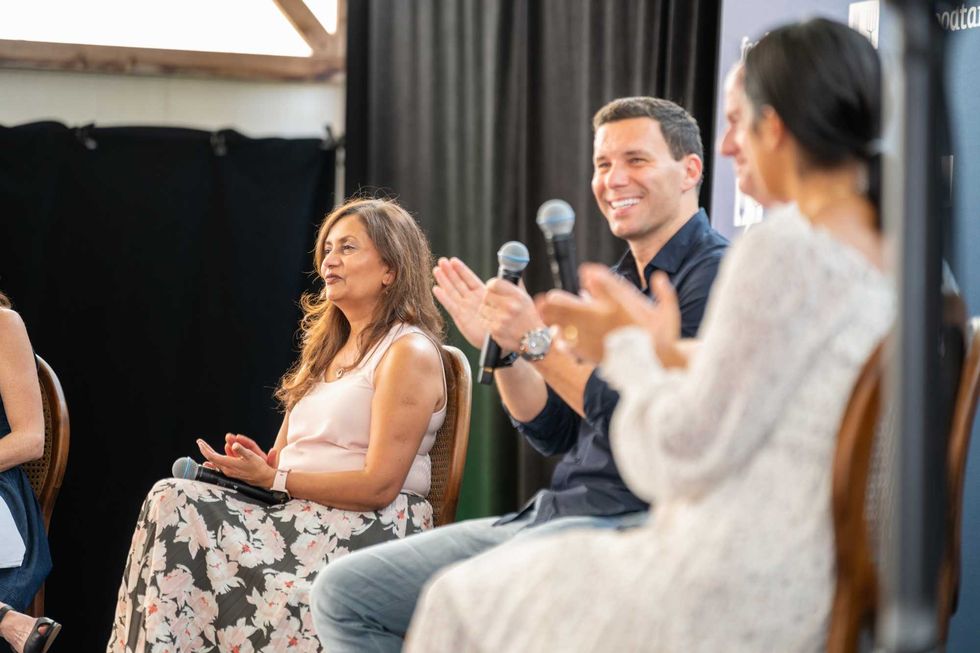 2025's "All Things Food" summit was as delicious as it was educational. Photo courtesy of Food Tank
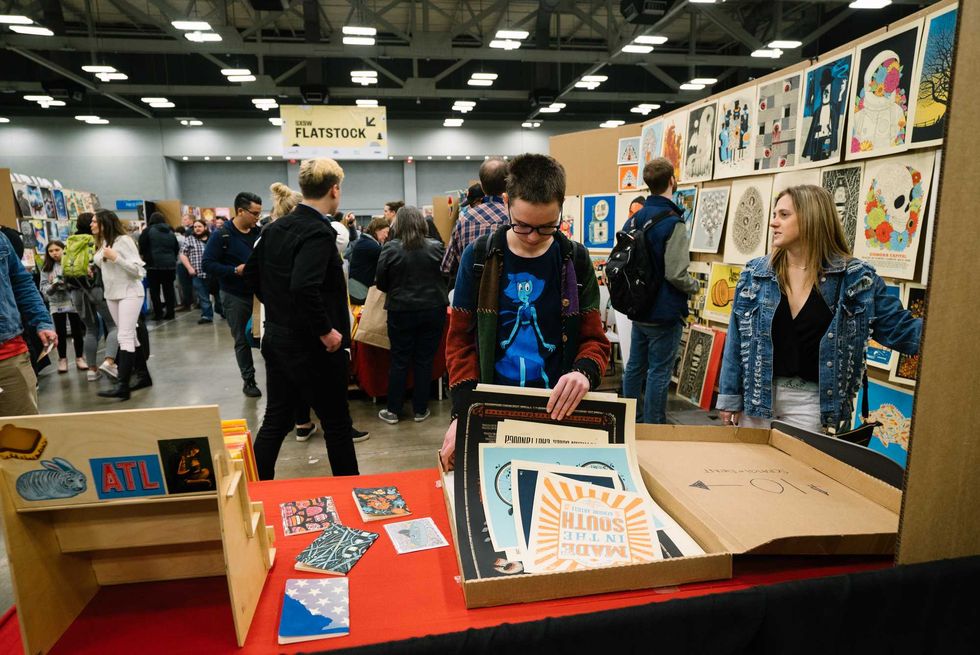 In 2025 Flatstock was packed with festival-goers looking for poster art. Photo by Alison Narro
 Create & Cultivate Future Summit brings together women entrepreneurs at Assembly Hall. Photo from Create & Cultivate Facebook page
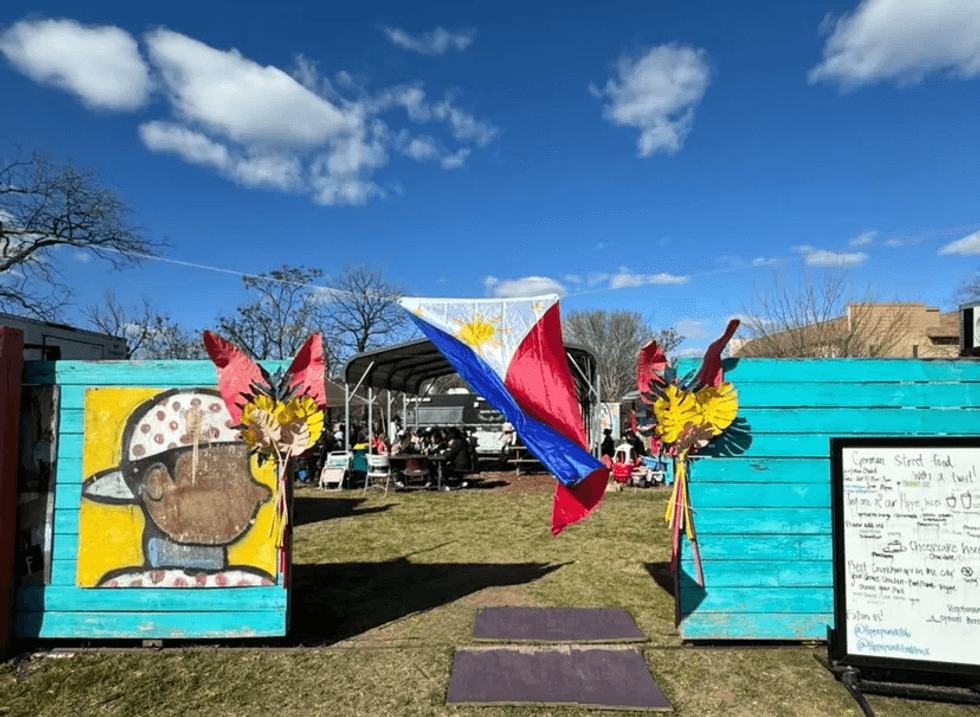 2025's Pinoy Potluck Block Party was a hit, and it's back again this year. Photo by @klctvefusion on Pinoypotluckatx Instagram