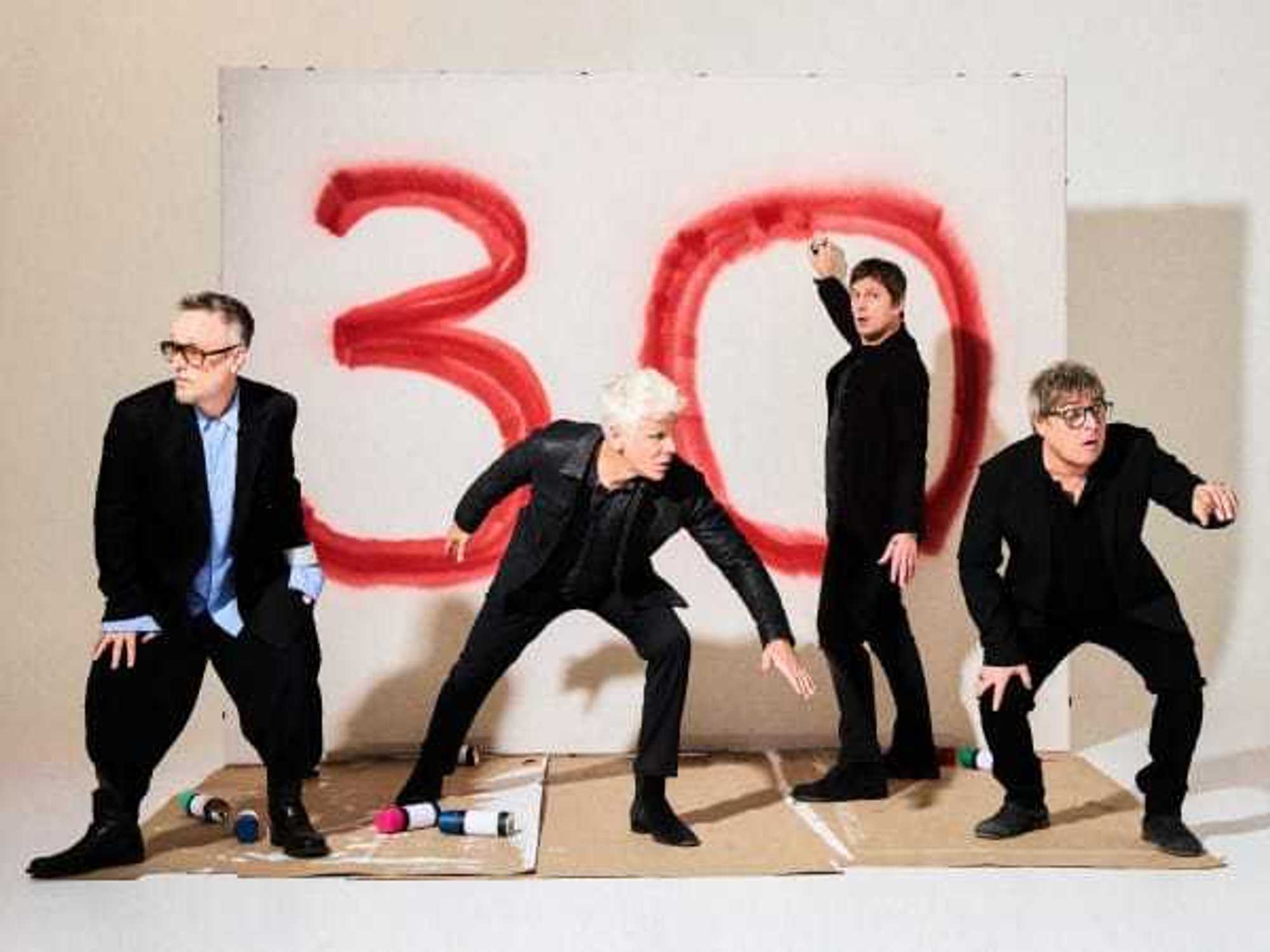
Rock band Matchbox Twenty will celebrate its 30th anniversary on an extensive 2027 tour across North America, which will include a stop at Austin's Moody Center on Wednesday, June 16.
The group will start the celebration on April 25 at the Stagecoach Festival and then embark on a 52-city journey starting in Birmingham, Alabama, on May 15.
In addition to Austin, Matchbox Twenty will play in Houston suburb The Woodlands on June 18 and Dallas on June 19.
They'll be joined by special guests The Wallflowers at all three Texas concerts. Special guests at other dates will include The All-American Rejects, David Gray, O.A.R., Matt Nathanson, and The Lucky.
Matchbox Twenty made their debut in 1996 with Yourself or Someone Like You, which included hits like "Push," "3 AM," and "Real World."
They went on to release two more top 10 albums before taking a hiatus in 2002 to allow lead singer Rob Thomas to pursue a solo career and other members to participate in side projects.
The band reunited in 2007, releasing the compilation album, Exile on Mainstream, that included seven new songs and 11 greatest hits.
They've gone on to release two more new albums in their career, North in 2012 and Where the Light Goes in 2023.
Matchbox Twenty’s artist presale starts Tuesday, October 20, at 5 pm. All fans can sign up for access presale tickets on their tour dates page.
Tickets will also be available starting with the Reserved by Spotify presale on Tuesday, October 20, at 10 am for eligible Spotify Premium top fans purchasing tickets in Ticketmaster venues.
Additional presales will run throughout the week ahead of the general on sale beginning Friday, October 23, at 10 am via matchboxtwenty.com.
MATCHBOX TWENTY 2027 TOUR DATES
- May 15 - Birmingham, AL - Coca-Cola Amphitheater
- May 16 - Charlotte, NC - Truliant Amphitheater
- May 18 - Nashville, TN - Bridgestone Arena
- May 20 - Kansas City, MO - Morton Amphitheater
- May 22 - Morrison, CO - Red Rocks Amphitheatre
- May 26 - Salt Lake City, UT - Utah First Credit Union Amphitheatre
- May 27 - Nampa, ID - Ford Idaho Center Amphitheater
- May 29 - Spokane, WA - BECU Live at Northern Quest
- May 30 - Vancouver, BC - Freedom Mobile Arch
- June 2 - Auburn, WA - White River Amphitheatre
- June 4 - Ridgefield, WA - Cascades Amphitheater
- June 5 - Bend, OR - Hayden Homes Amphitheater
- June 8 - Mountain View, CA - Shoreline Amphitheatre
- June 9 - Los Angeles, CA - Hollywood Bowl
- June 11 - Las Vegas, NV - The Colosseum at Caesars Palace
- June 12 - Phoenix, AZ - Talking Stick Resort Amphitheatre
- June 13 - Albuquerque, NM - First Financial Credit Union Amphitheater
- June 16 - Austin, TX - Moody Center
- June 18 - Houston, TX - The Cynthia Woods Mitchell Pavilion
- June 19 - Dallas, TX - Dos Equis Pavilion
- June 20 - Rogers, AR - Walmart AMP
- June 23 - St. Louis, MO - Hollywood Casino Amphitheater
- June 25 - Alpharetta, GA - Ameris Bank Amphitheatre
- June 26 - St. Augustine, FL - The St. Augustine Amphitheatre
- June 27 - Tampa, FL - MIDFLORIDA Credit Union Amphitheatre
- June 30 - Hollywood, FL - Hard Rock Live
- July 2 - Wilmington, NC - Live Oak Bank Pavilion
- July 3 - Virginia Beach, VA - Veterans United Home Loans Amphitheater
- July 7 - Burgettstown, PA - The Pavilion at Star Lake
- July 8 - Holmdel, NJ - PNC Bank Arts Center
- July 10 - Mansfield, MA - Xfinity Center
- July 11 - Gilford, NH - BankNH Pavilion
- July 13 - Bridgeport, CT - Hartford HealthCare Amphitheater
- July 14 - Richmond, VA - Allianz Amphitheater at Riverfront
- July 16 - Columbia, MD - Merriweather Post Pavilion
- July 17 - Philadelphia, PA - TD Pavilion at Highmark Mann
- July 18 - Wantagh, NY - Northwell at Jones Beach Theater
- July 20 - Saratoga Springs, NY - Albany Med Health System at SPAC
- July 21 - Toronto, ON - RBC Amphitheatre
- July 23 - Tinley Park, IL - Credit Union 1 Amphitheatre
- July 24 - Clarkston, MI - Pine Knob Music Theatre
- July 27 - Cincinnati, OH - Venue TBA
- July 28 - Noblesville, IN - Ruoff Music Center
- July 30 - Council Bluffs, IA - Harrah’s Stir Cove
- July 31 - Shakopee, MN - Mystic Lake Amphitheater
- August 1 - Milwaukee, WI - American Family Insurance Amphitheater
- August 4 - Brandon, MS - Brandon Amphitheater
- August 5 - Orange Beach, AL - The Wharf Amphitheater
- August 7 - Charleston, SC - Credit One Stadium
- August 8 - Raleigh, NC - Coastal Credit Union Music Park
- August 11 - Cuyahoga Falls, OH - Blossom Music Center
- August 12 - Grand Rapids, MI - Acrisure Amphitheater