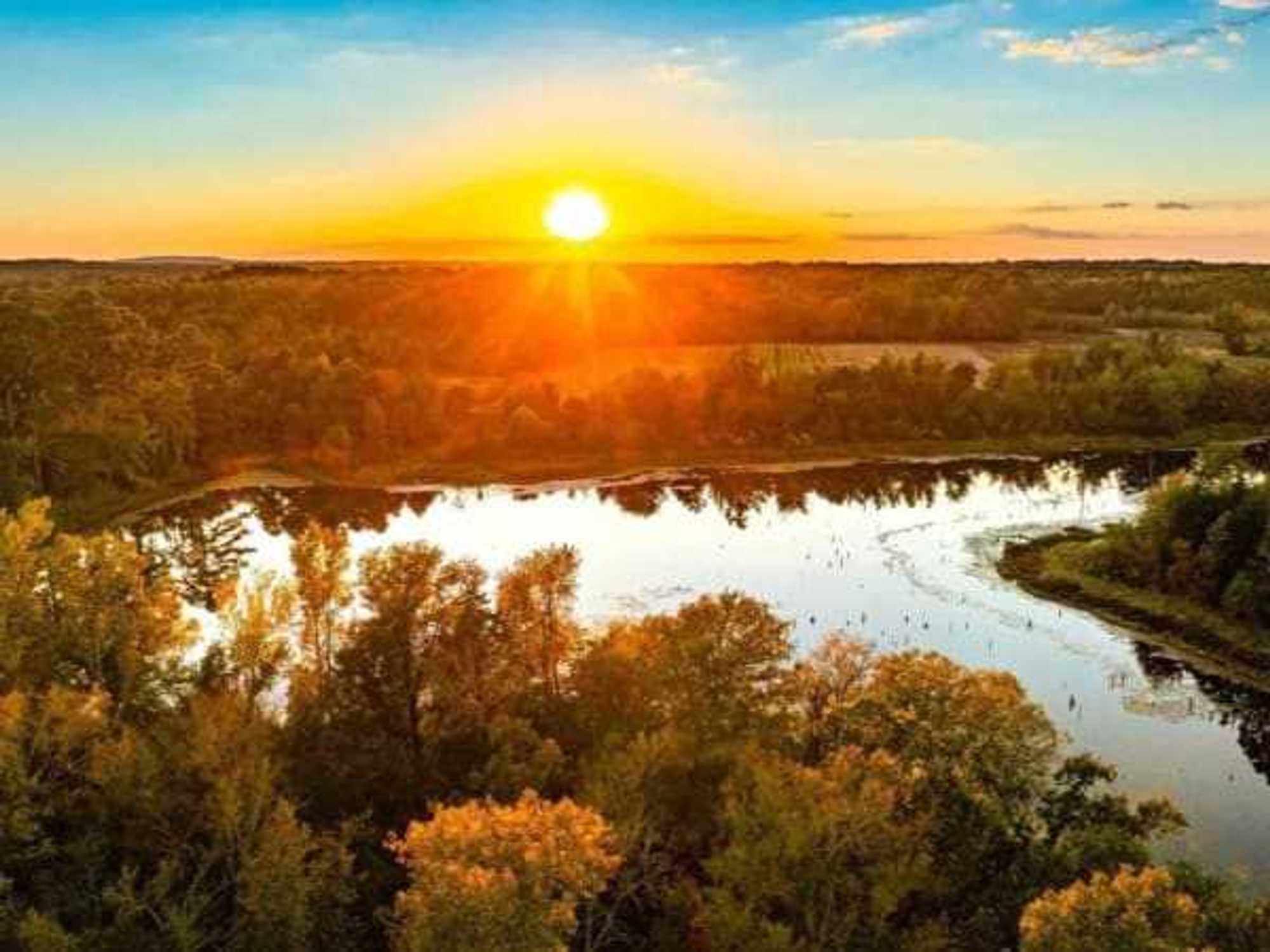
East Texas is gaining a new state park at Lake Palestine that will include amenities like hike-and-bike trails, campsites, and lakefront access.
The Texas Parks and Wildlife Foundation has paid more than $10 million for a 650-acre ranch at Lake Palestine that will be converted into a state park, the agency says. If the park opened today, it would be the 90th state park in Texas.
The ranch, roughly 100 miles southeast of Dallas, had been on the market for a little less than $10 million. Roughly 60 percent of the ranch is wooded, and about 40 percent is pastureland.
The foundation will make improvements to the site, about 18 miles west of Tyler, before handing it over to the Texas Parks and Wildlife Department in late 2027. That’s when funding from the Centennial Parks Conservation Fund will become available for the department to acquire the property.
The deal preserves one of the last large habitat sites in that part of East Texas and will ultimately expand public access to Lake Palestine. The lake encompasses more than 25,500 acres and touches four counties. White-tailed deer, bobcats, and waterfowl are among the creatures that populate the habitat.
“Opportunities to protect a property like this don’t come along very often, and when they do, timing is critical,” Anne Brown, the foundation’s executive director, said in a release. She said the land will “ultimately become a place where generations of Texans can enjoy the outdoors.”
The Pollard family had owned the ranch, which housed their pecan farm, since 1940. Aside from the pecan orchard, the property includes pine forests, ponds, a seven-acre lake, and Lake Palestine frontage.
Sam Pollard, president of Texas Pecan Nursery, said the property “is part of my soul. It means a lot to me that we can leave a legacy for people to enjoy.”
The foundation says visitors to the future park will be able to enjoy blufftop views of the lake, watch wildlife and birds, and walk around the pecan orchard. They’ll also be able to take advantage of boating, paddling, swimming, and fishing at Lake Palestine.
Rodney Franklin, director of the state park system, called the site an “East Texas gem” and thanked the Pollards for enabling “this special slice of the Pineywoods to be accessible for generations of Texans.”
The parks and wildlife agency plans to create the park in phases, starting with guided access, followed by daytime access and then full-day and overnight access. The agency will invite public input about the park’s development.
Planned amenities include hike-and-bike trails, traditional and primitive campsites, day-use areas, and lakefront access.
The NextEra Energy Foundation, a philanthropic arm of NextEra Energy and NextEra Energy Resources, chipped in $100,000 to support the future park. NextEra supplies electricity to about one million customers in Texas, mostly through its Gexa Energy subsidiary.
In addition, the wildlife foundation tapped into the state’s Land Conservation Loan Fund for the ranch purchase. The voter-approved, donor-supported fund aids land conservation efforts. Dallas-based Lyda Hill Philanthropies was an inaugural backer of the loan fund.