Social gatherings, live music, and friendly competition are keeping our agenda full for the next few days. Enjoy Rodeo Austin entertainment or groove to live music on the patio of the Carpenter Hotel. Check out the top seven things to do in Austin this weekend. For a complete list of events, click over to our calendar.
Thursday, March 19
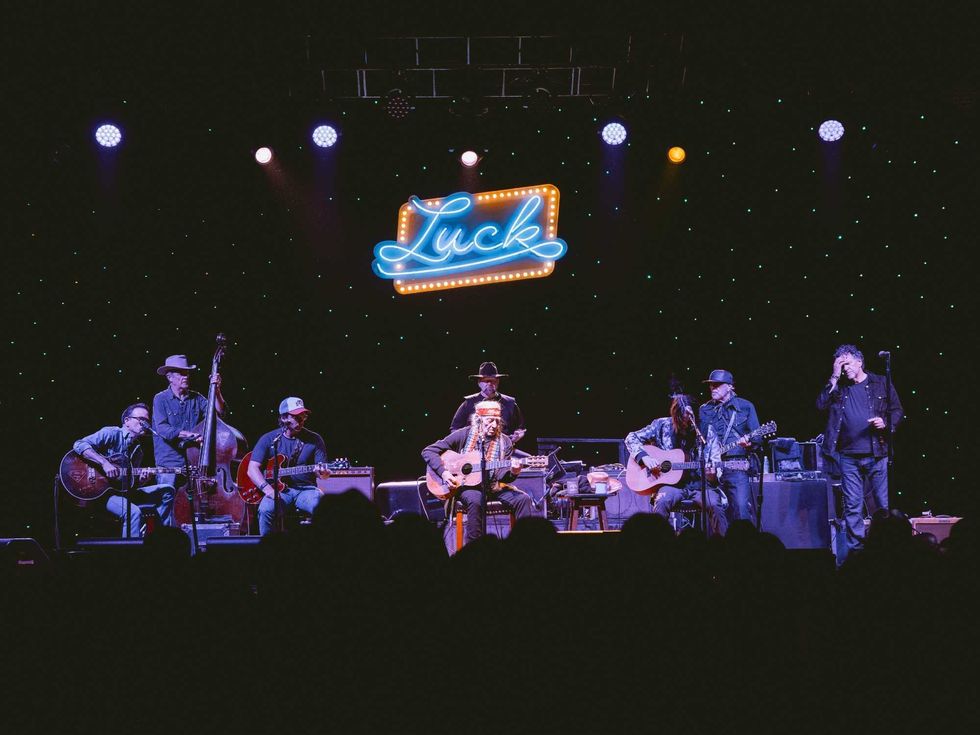
Photo courtesy of Luck Presents
Red Nightfall Dance Theatre presents Unbecoming
An interdisciplinary work exploring the concept of form itself is on display at the East Side Performing Arts. The 60-minute production blends dance, fashion design by Robby Durand of EmmaSis Designs, live piano and cello by Finn Dickens and SoJo Gonzales, guest choreography by Alexa Capareda, and spoken word to deliver an experience that is as unique as it is multidimensional. Tickets include access to an open bar. Get more information on Eventbrite.
Luck Presents Luck Reunion
Willie Nelson’s long-running Luck Reunion returns to Luck Ranch. Reunion guests can expect more than 40 musical acts, local artisan shopping, and food from some of America’s most acclaimed chefs. This year’s performers include Willie Nelson and Family, Trampled by Turtles, Ghostland Observatory, and more.
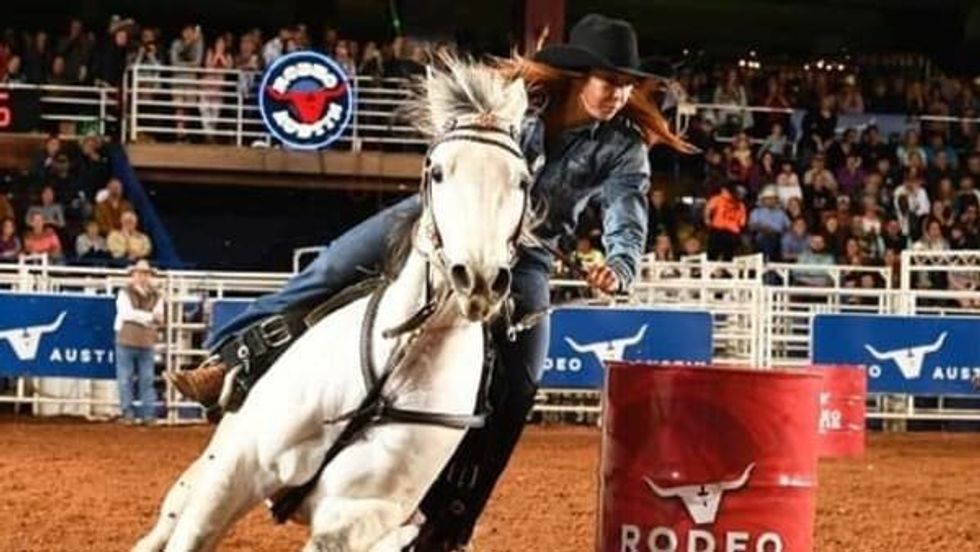
Rodeo Austin
The largest carnival event in Austin continues at the Travis County Exposition Center this weekend. Rodeo Austin highlights include ProRodeo events, a livestock show, a beer & wine garden, special attractions, and food trucks on grounds. Post-competition musical performers include Eli Young Band, Aaron Watson, Clint Black, and more. Rodeo Austin continues through March 28.
Friday, March 20
Carpenter Hotel presents The Friday Kickback
Hip South Austin spot the Carpenter Hotel begins its monthly concert series on the property’s patio. March will feature performances by local artists James Steinle and Hayden Butler. Additional highlights include a specialty cocktail menu, light bite offerings, and chill vibes. Admission is free and open to the public. The series continues through May 15. Reservations are encouraged.
Saturday, March 21
Force of Nature: Spring Breakfast Run
Start your socializing early with a run around the South Congress area in partnership with On Run Club and Force of Nature Athletic Club. This networking and running hybrid event features a five-mile community loop route, pre-run beverages provided by Raw Revolution, and a post-run hang complete with breakfast tacos featuring Force of Nature Meats. Participants will also enjoy exclusive event discounts on both On and Force of Nature Meats products.
Brush Buddies Yard Bar Launch Party
Popular pup and pet parent hangout Yard Bar hosts a launch party in partnership with Pet Honesty to celebrate the brand’s new all-natural dental product, Brush Buddies. Party guests can be among the first to experience the product, enjoy minty cocktails, pose in the photo booth, enjoy exclusive samples, and more. Admission is free and open to the dog-friendly public. Get more details on Eventbrite.
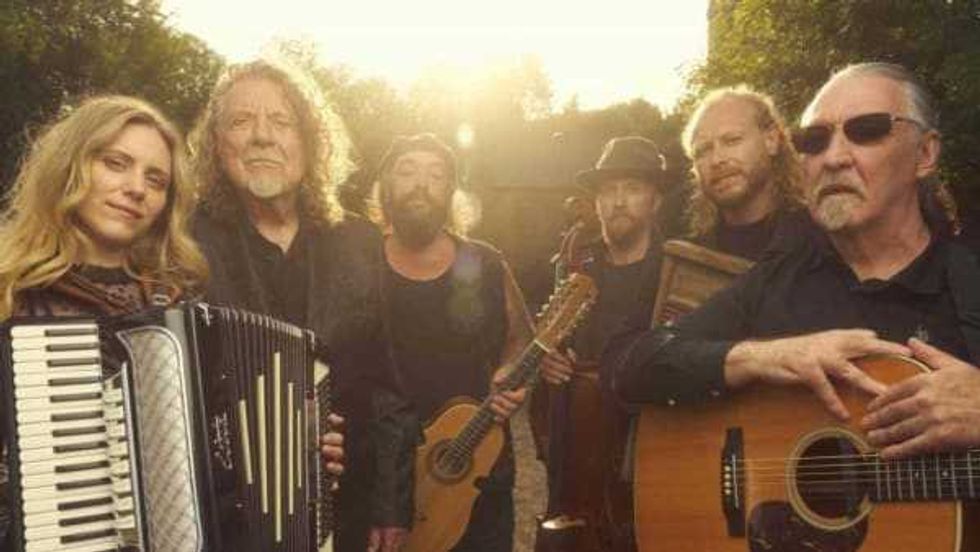
Austin City Limits Live presents Robert Plant in concert with Saving Grace and Suzi Dian
Vocalist Robert Plant comes together with Saving Grace and Suzi Dian at Austin City Limits Live for one night only. These talents will perform music from their catalogs spanning decades of top hits. From his time as a solo artist, Plant is best known for songs such as “Big Log” and “Tall Cool One.” A limited number of tickets are available now.