An Austin distillery has opened a big entertainment, cocktail, and food destination, but the real debut is yet to happen. The Still Austin Quarter, by Still Austin Whiskey Co., will host a grand opening with top Austin artists Shakey Graves and Adrian Quesada on Thursday, November 5.
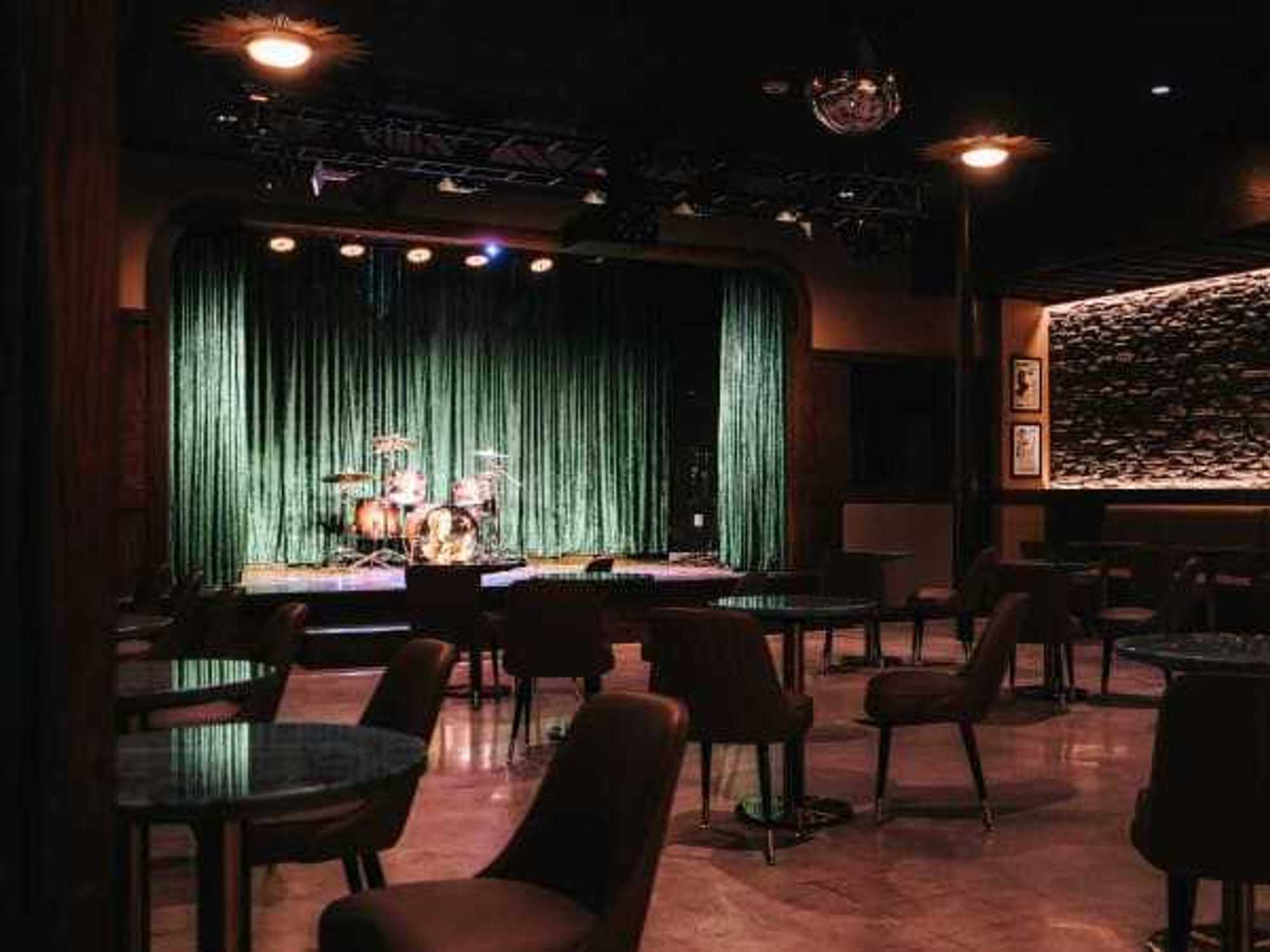
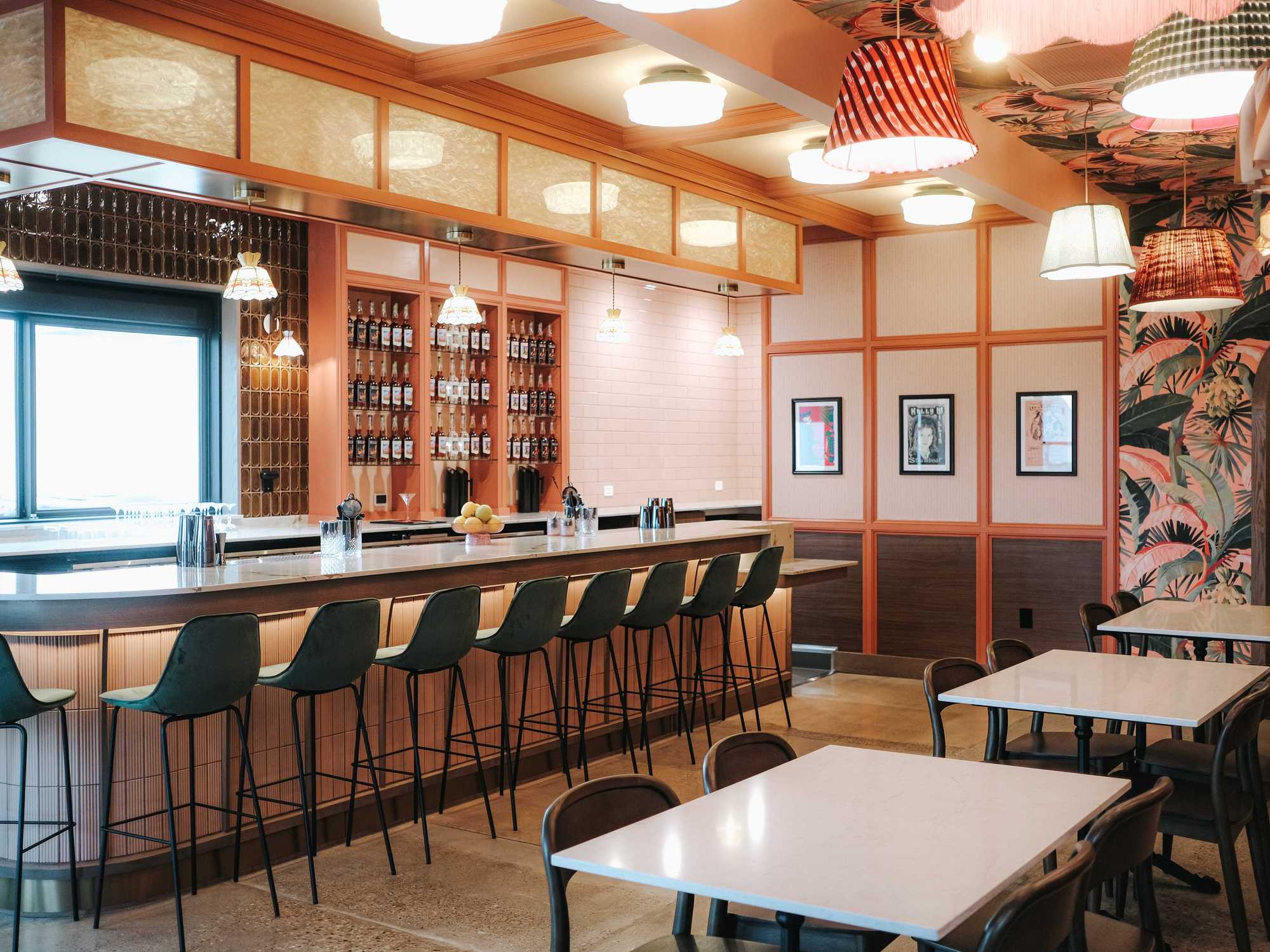
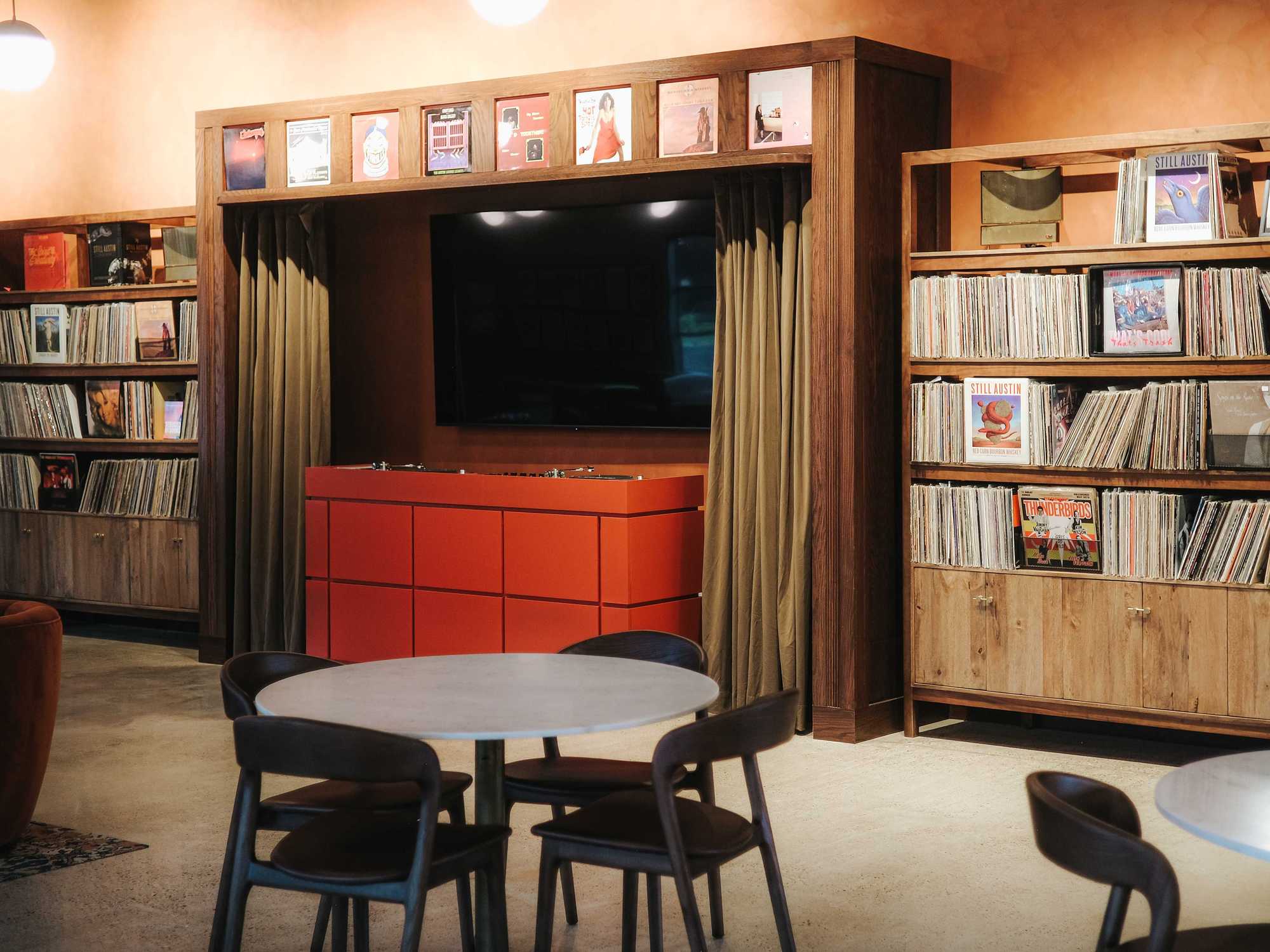
The Still Austin Quarter is located at 4211 Willow Springs Road, a warehouse-like building in the industrial St. Elmo area, a growing hub for bars, spirits, and creative businesses. The Quarter, announced in July, contains four spaces, each of which has its own purpose: The Atrium, a bar and welcoming space; the Vinyl Lounge, an album library and poster collection; the Music Room, a concert space; and an unnamed private event space that honors women in Austin music.
On opening day, the public can stop by to purchase food and drinks, party with Adrian Quesada for a DJ set in the Vinyl Lounge at 7 pm, and hear Shakey Graves at 7:30 pm in the Music Room. The space can accommodate approximately 500 guests, so it should be a lively evening.
“I could not be more excited to open The Still Austin Quarter,” said Still Austin co-founder and CEO Chris Seals in a press release. “It stands as a celebration of the artists who have made our city so special.”
The space was designed by architect of record OPA Design Studio and interior design firm Weiss Architecture. While exploring, guests should keep an eye out for a red spiral staircase preserved from Seals' home, portraits of important Austin artists, the Stratocaster Bar with a sunburst face and a fretboard back bar, vintage lampshades, a collection of Still Austin releases, and more.
 Wherever you are on the property, there's a bar nearby.Photos by Collin Findlay, courtesy of Still Austin Whiskey Co.
A defining piece of decorative architecture is a red tanager — a bird, and a motif painted by Marc Burckhardt and used in all of Still Austin's flagship labels — etched into the concrete that connects the three public rooms.
Accomplished acoustician Steven Durr took care of the sound in the Music Room, with side walls inspired by Austin's first live music venue, Buaas Garden, which opened in 1860. Danny and Leslie Crooks, former owners of Steamboat 1874 — the venue that replaced Buaas Garden — donated the concert posters that are on the walls now.
Shaky Graves and Adrian Quesada aren't the only Austin musicians celebrating the opening. From a press release, here's what's on the schedule in the coming weeks so far:
- Friday, October 16: Grocery Bag in the Music Room, with Mage Buse in the Vinyl Lounge
- Saturday, October 17: The Point. in the Music Room, with Joshy Soul in the Vinyl Lounge
- Friday, October 23: Garrett T. Capps in the Music Room
- Saturday, October 24: Open group lessons from Native Texan Two Step followed by Danny Golden in the Music Room, with the Rhinestone Record Club in the Vinyl Lounge
- Friday, October 30: Courtney Santana in the Music Room, with Feelin’ Groovy in the Vinyl LoungeSaturday, Oct. 31: Leslie Nava in the Vinyl Lounge
- Thursday, November 5 (Grand Opening Celebration): Shakey Graves in the Music Room, Adrian Quesada in the Vinyl Lounge
- Friday, November 6: Caroline Hale in the Music Room
- Friday, November 13: Elijah Ford in the Music Room
- Saturday, November 14: Gran Moreno in the Music Room, with opener Flavor Saver
- Saturday, November 21: Louisiana Surf Department in the Music Room
This room will host DJ sets and put Austinites on to lots of album discoveries.Photos by Collin Findlay, courtesy of Still Austin Whiskey Co.
Outside of music, the food and beverage program will also be a big draw to the Still Austin Quarter. On the cocktail menu, guests can expect a peach tea made with Still Austin's very popular bourbon, "The Musician," plus cocktails with candied cherry, fresh basil, lemon-honey shrub, pea flower, and other ingredients that go as well in tea as they do with whiskey, gin, and other spirits. Some mixes also features housemade aperitifs, amaros, and herbal liqueurs, and beer and wine will also be available for purchase.
On the food menu, created by the hospitality team at Still Austin, guests will find dishes like steak frites and other cuts of beef, jalapeño popper deviled eggs, smoked pork belly bites, a yellowfin tuna bowl with vegetables, a Philly chicken sandwich, and a wedge salad.
Still Austin is open from noon to 10 pm Wednesdays and Thursdays, 11 am to midnight Fridays and Saturdays, and 11 am to 9 pm on Sundays. Food service is available from opening each day to an hour before closing. Guests can also access dedicated parking. The opening night event is free and open to the public. No RSVP is required.

 Wherever you are on the property, there's a bar nearby.Photos by Collin Findlay, courtesy of Still Austin Whiskey Co.
 This room will host DJ sets and put Austinites on to lots of album discoveries.Photos by Collin Findlay, courtesy of Still Austin Whiskey Co.