
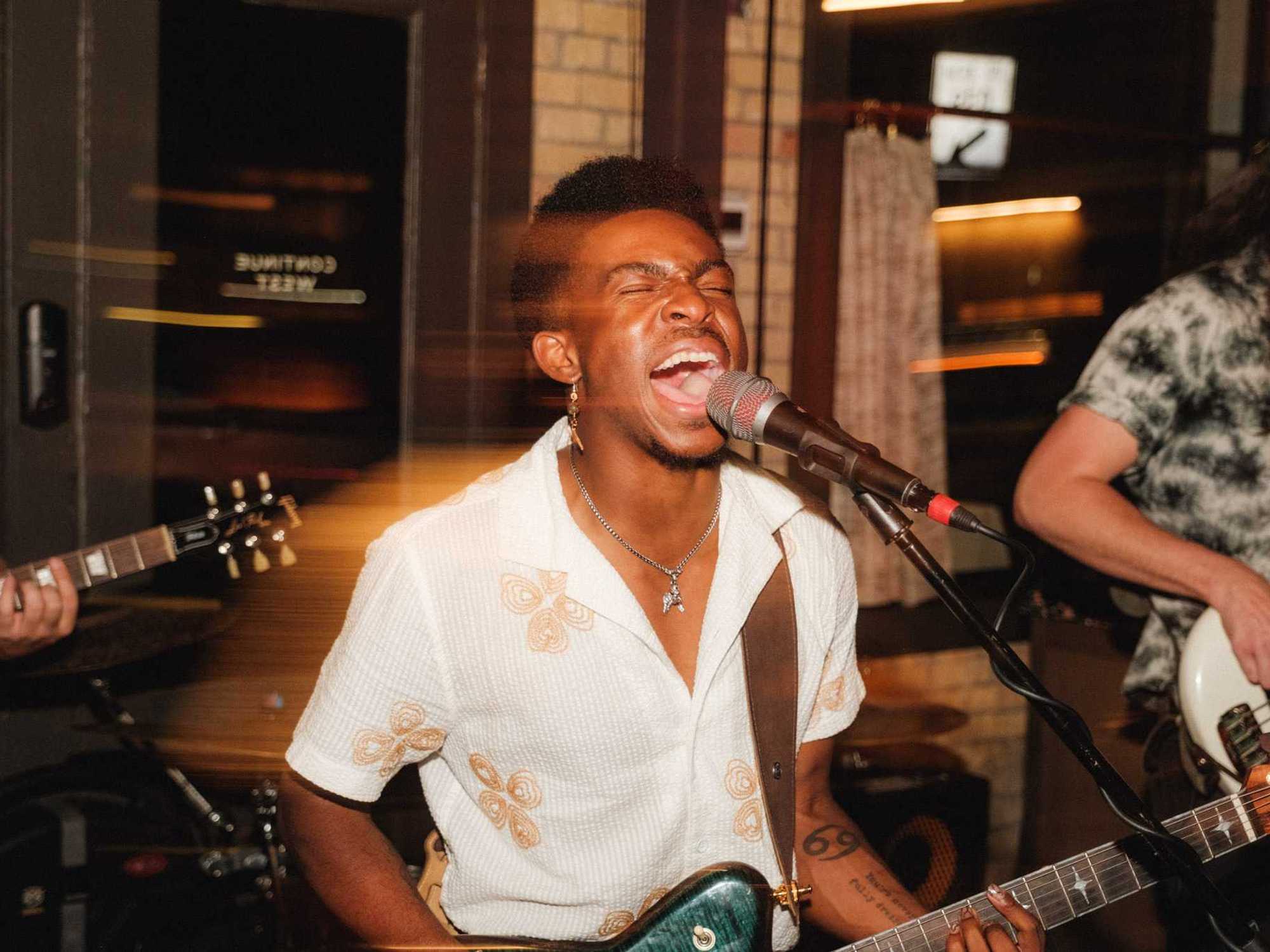
Austin's Red River Cultural District (RRCD) is launching a new multimedia archive project documenting more than a century of nightlife, music, and cultural history along one of downtown's most contested entertainment corridors.
Whether it was the jazz musicians, punks, or city programs that had the most impact over the years, the new project tracks as many of the diverse details as it can — and it's still seeking Austinites' firsthand stories to expand it.
Called Cultural Currents, the initiative includes a digital StoryMap, self-guided walking tour, archival photography collection, oral histories, community storytelling project, and forthcoming podcast series. They're all focused on the constantly evolving stretch of Red River Street that helped shape Austin's punk, indie, metal, queer nightlife, comedy, and live music scenes.
The walking tour highlights a mix of longtime institutions, nightlife landmarks, and historic sites across the district, including Stubb's Bar-B-Q, Flamingo Cantina, Mohawk Austin, Cheer Up Charlies, Swan Dive, Chess Club, Elysium, Barbarella, The 13th Floor, the German-Texan Heritage Society, and the former site of the original Emo's.
Cultural Currents arrives after decades of public debates surrounding Red River's future as downtown Austin rapidly transformed around it. Stories over the years have highlighted tensions involving condo development, hotel expansion, noise complaints, redevelopment pressure, venue preservation, and the growing collision between Austin's underground culture and its tourism economy.
The district repeatedly reinvented itself and persisted through those fights. The original Emo's became a defining anchor of Austin's punk and indie scenes. Venues such as Red 7 closed and later reemerged in new forms like Sidewinder as operators struggled to survive redevelopment pressure and rising costs. The back story of Cheer Up Charlie's has had many chapters. And, as recently as last week, the dive bar Valhalla was listed for sale.
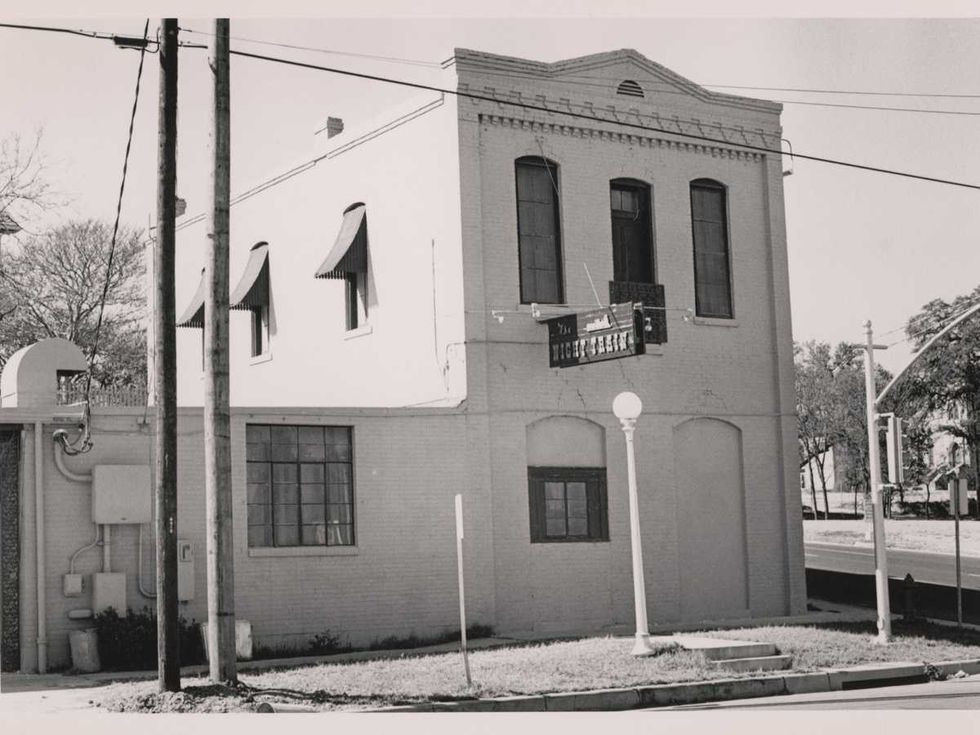 The Mohawk was once the Night Train, a restaurant, and also the Quorum Club, a private club for lawmakers. Photo courtesy of the Austin History Center.
What was once a rough-edged nightlife strip that some locals nicknamed “Crack Alley” gradually evolved into one of the city's densest cultural ecosystems, packed with music venues, dive bars, goth nights, comedy spaces, drag performances, late-night hangouts, and independent creative communities operating within a few downtown blocks.
The late music journalist Michael Corcoran wrote a Substack post on the rough-and-tumble history of the street. For decades, Red River's cultural life thrived partly because it was unpredictable, inexpensive, lightly regulated, and a little grimy. Corcoran describes a decade-by-decade evolution of private clubs, dance clubs, and eventually a music mecca anchored by Emo's.
That 1990s version of Red River is captured in A Curious Mix of People: The Underground Scene of '90s Austin, Curious Mix of People: The Underground Scene of '90s Austin, an oral history by Greg Beets and Richard Whymark documenting Austin's DIY music culture through clubs such as Emo's and Liberty Lunch. A documentary tied to the project screened Saturday, May 16, in the Red River district alongside the launch of Cultural Currents.
The Red River community has had to reckon with the area's historically unpolished, independent identity and the growing city efforts designed to preserve it. Beginning in the 2010s, city-backed cultural district initiatives, preservation efforts, tourism branding, and streetscape improvements increasingly reshaped the area as Austin attempted to protect one of its most recognizable nightlife districts while downtown redevelopment accelerated around it. Eventually, a cultural district was created.
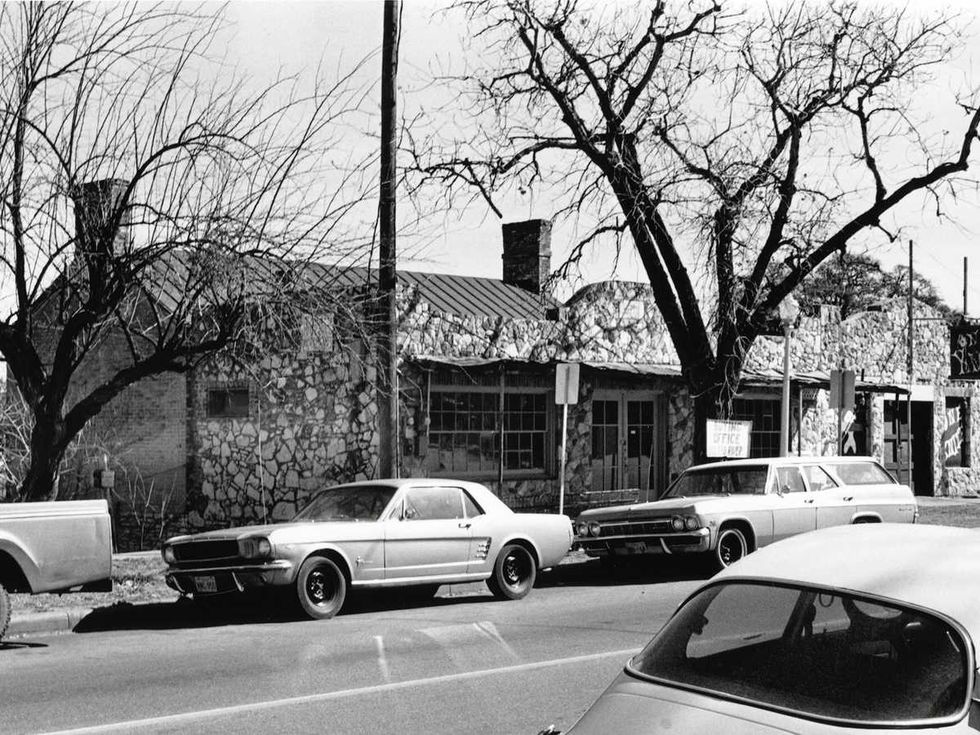 The former One Knite club at 801 Red River, photographed in 1971, years before the site became home to Stubb’s Bar-B-Q and one of Austin’s most iconic live music venue.Photo courtsy of the Austin History Center
Today, the Red River Cultural District supports more than 1,000 jobs annually across music, tourism, hospitality, and food service industries. Its flagship events, Free Week and Hot Summer Nights, provided paid opportunities to more than 1,040 artists and musicians in 2025 alone, according to the organization's 2025 annual report.
Cultural Currents leans directly into Red River's constant reinvention. The project encourages Austinites to contribute their own memories, photographs, and stories connected to the district, including favorite venue memories, important people tied to Red River, and personal recollections tied to the area's evolving nightlife culture.

