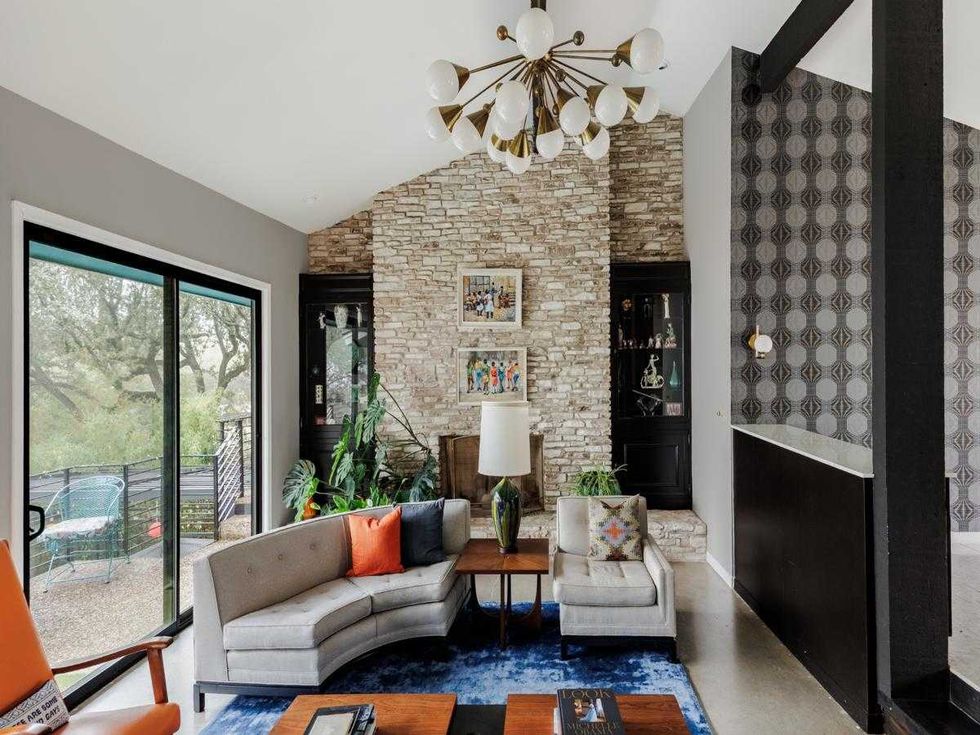
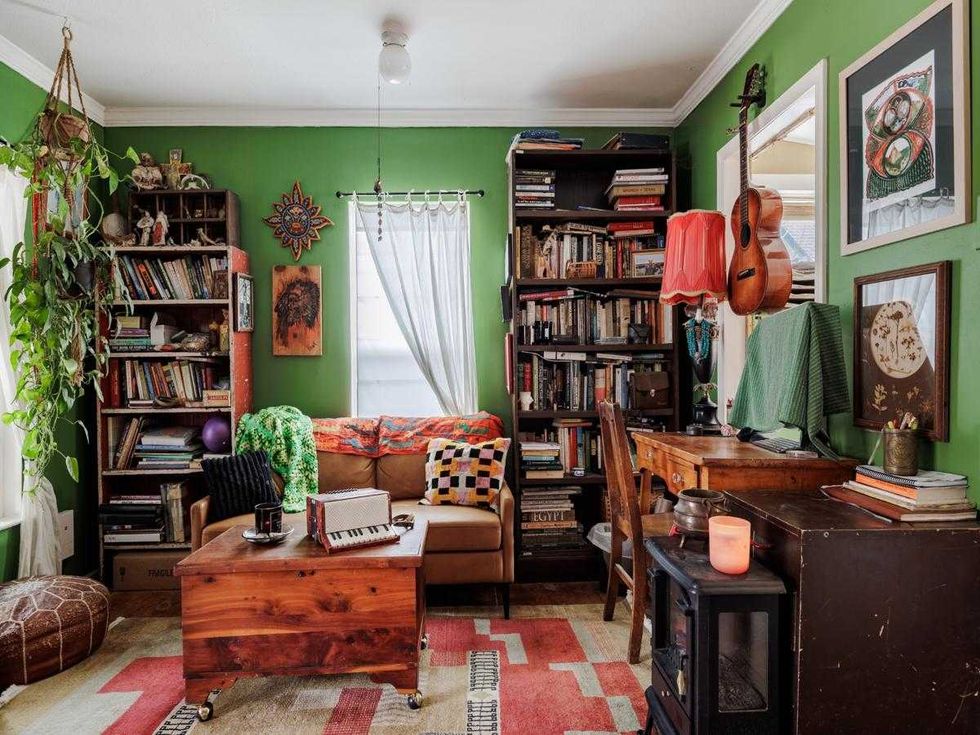
Some of Austin's most spectacular design — as well as its practical and quietly brilliant design — is hidden away in private residences. However, the city is a popular base for various home and garden tours, with none so ambitious as the annual AIA Austin Homes Tour, now in its 39th year. Austinites can tour 10 unique homes on October 25 and 26, with three bonus architect webinars starting October 1.
The tours are self-guided, so guests who may want to apply some similar design choices in their homes will likely benefit from getting some ahead-of-time insight. And really serious webinar attendees can even earn three units of AIA Continuing Education credit for an additional $25.
The webinars, which each run from noon to 1 pm, are organized by the following themes:
- October 1: Labor of Love: Architects and Builders' Homes
- October 8: Living without Limits: Indoors to Out
- October 15: Good Neighbors: Design and Neighborhood Context
Whether tour guests want to know as much as possible about each house or get a sneak peek before perusing, here are 10 previews of the homes on the tour. Tickets ($50-$125) are available at aiaaustin.org.
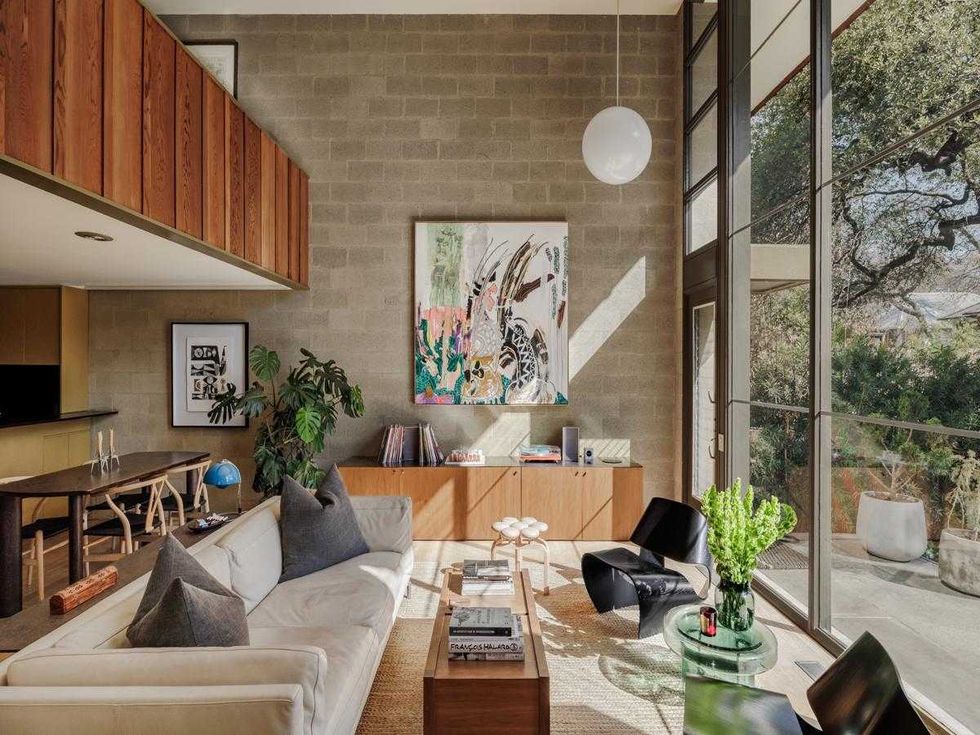
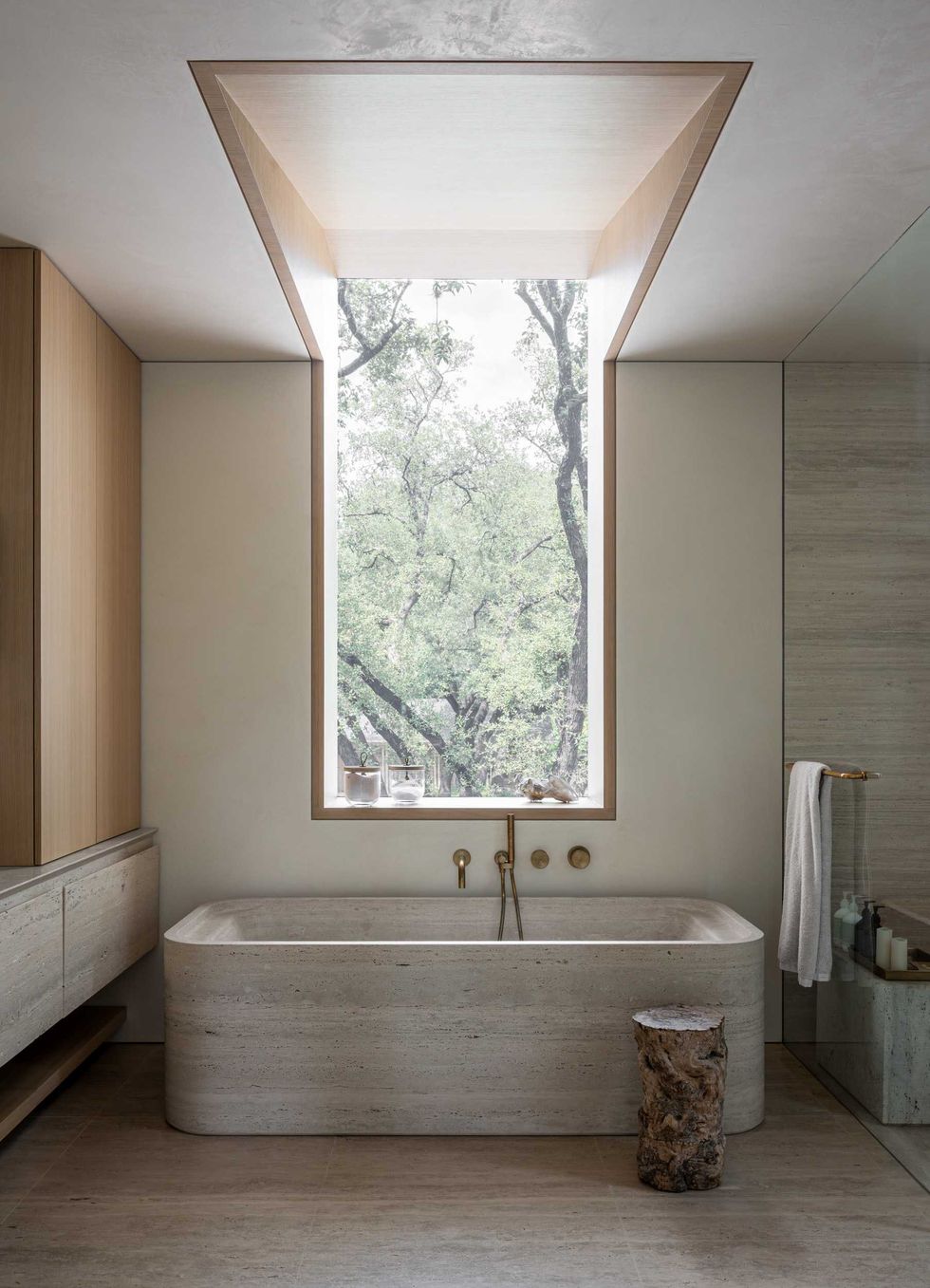 Casa Colibri by Ravel ArchitecturePhoto by Rob Gomez
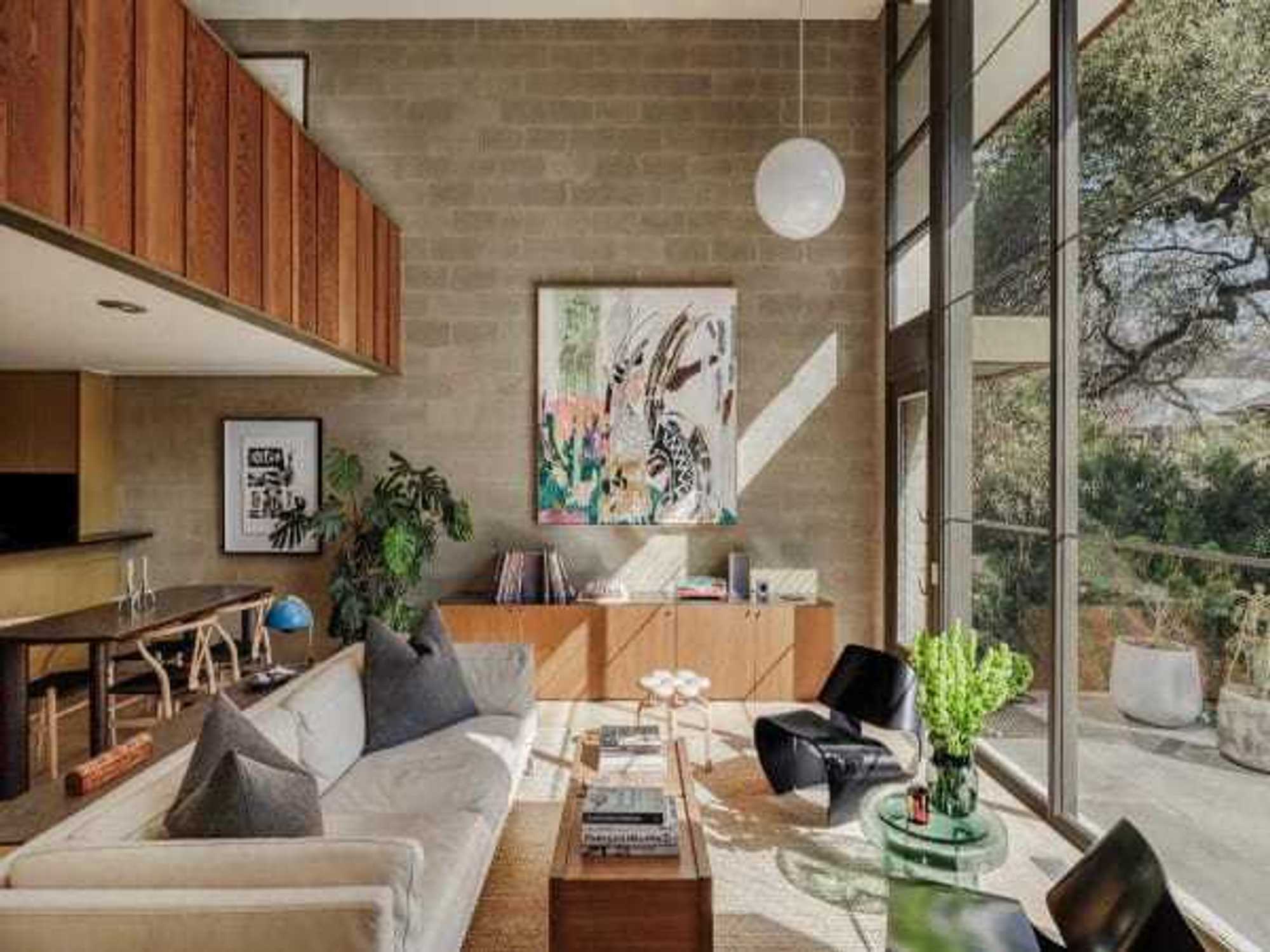
Casa Colibri in Barton Hills lets the beautiful surrounding environment in with beautiful windows and natural textures inside. The two-story house is carved into the land its on and features a clerestory, a row of high-up windows to let light in from above. According to AIA's description, the house feels like "a modern terrarium: glassy, calm, and immersed in nature."
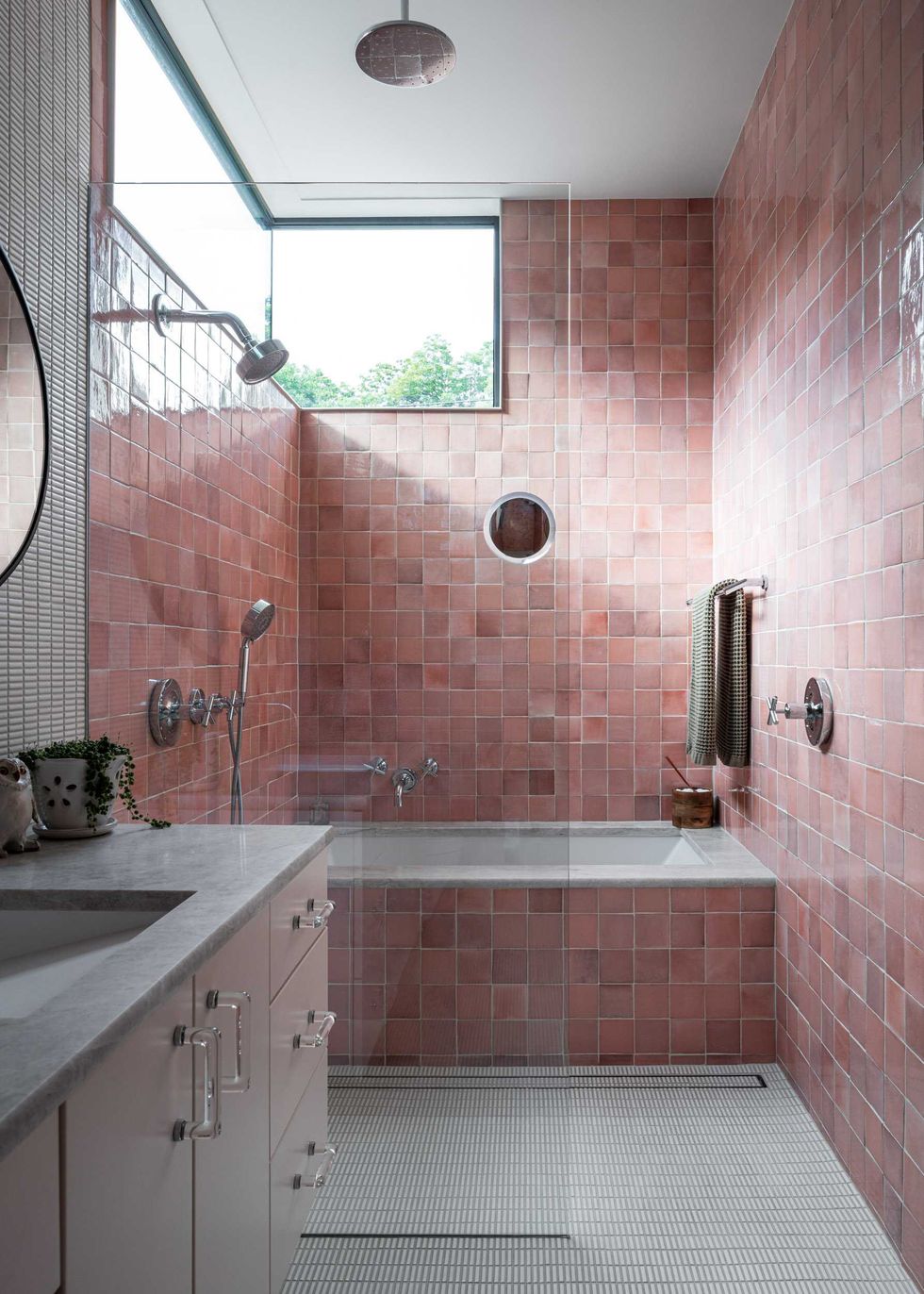 Govalle Homestead by Russ Design StudioPhoto by Rob Gomez
The Govalle Homestead sounds quaint, but looks sleek and modern. It was built in 1938 and was later adapted into a "contemporary estate" that maintained the primary structure's original facade. This pink-tiled bathroom evokes that old-yet-new theme, taking a vintage trend and making it feel new with some color and texture variation.
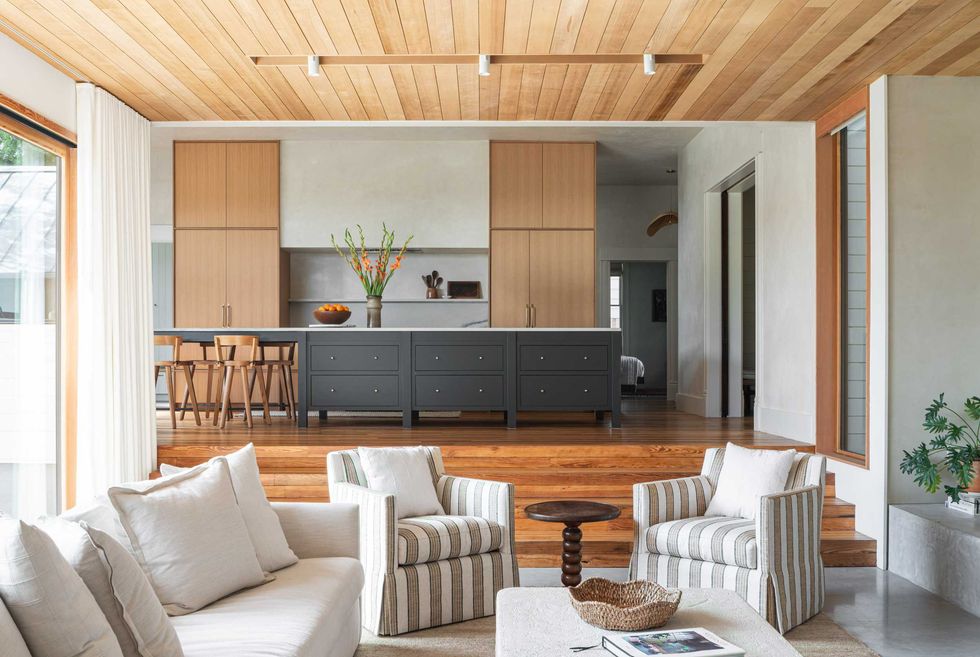 Harvey House by Side Angle SidePhoto by Rob Gomez
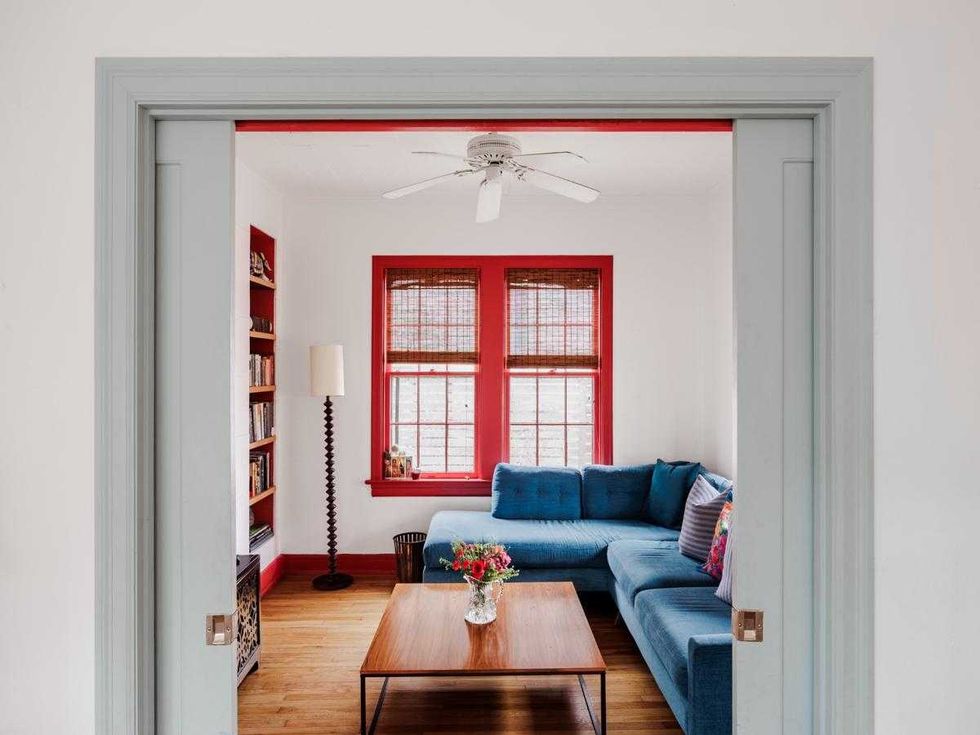
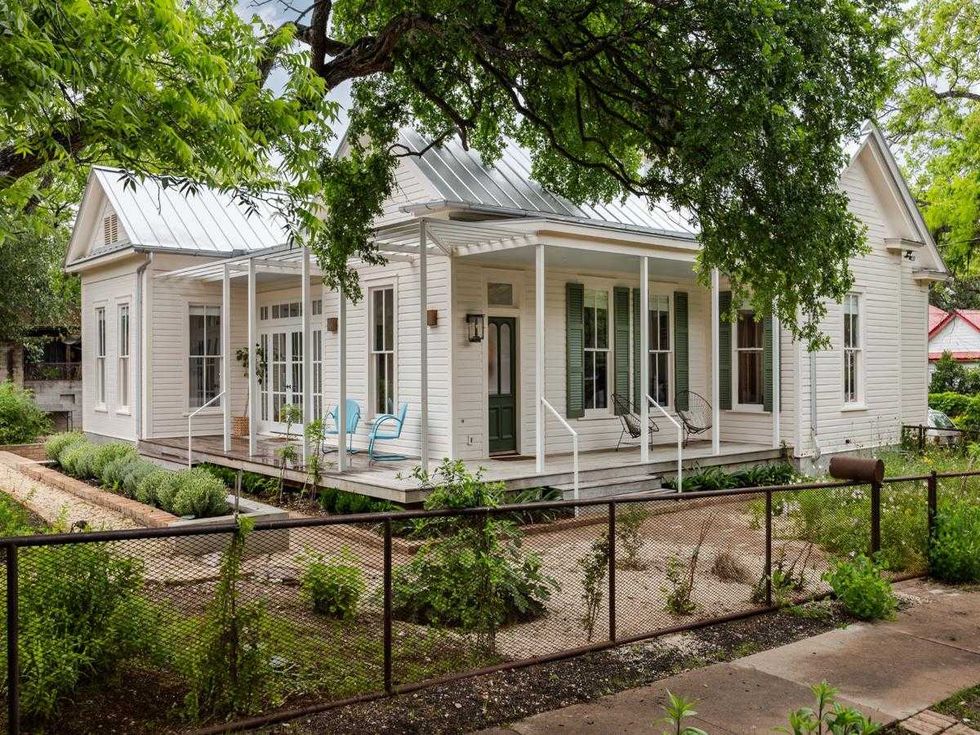
The split-level Harvey House — a 1935 bungalow in the Rosewood neighborhood that was expanded around a tree — is full of cozy gathering places. Although the outside of the house intentionally juxtaposes its new and old portions, the inside blends the two. Rooms were also designed with an open mind, acknowledging that uses may change as needs change through the years.
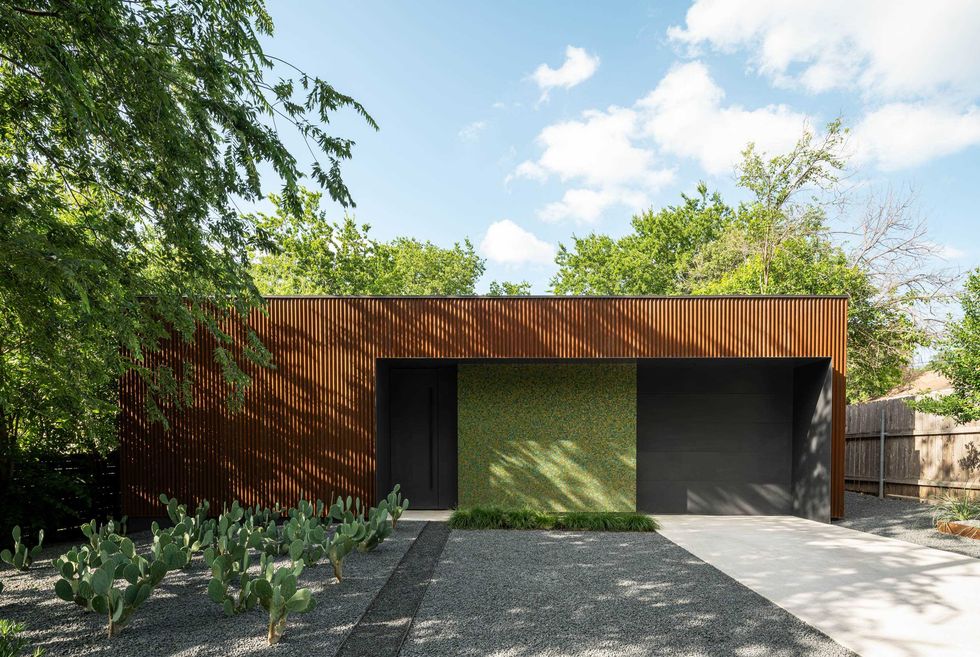 Stealth House by Specht NovakPhoto by Rob Gomez
The 1,100-square-foot Stealth House, as its name suggests, was designed to blend into its small lot, which can be entered through an alley. Even though there are no windows around the perimeter of the house, the interior remains well-lit thanks to a courtyard with olive trees, bamboo, glass, and mirrors. Sustainable choices shaped much of this house. This house won an AIA award in 2025.
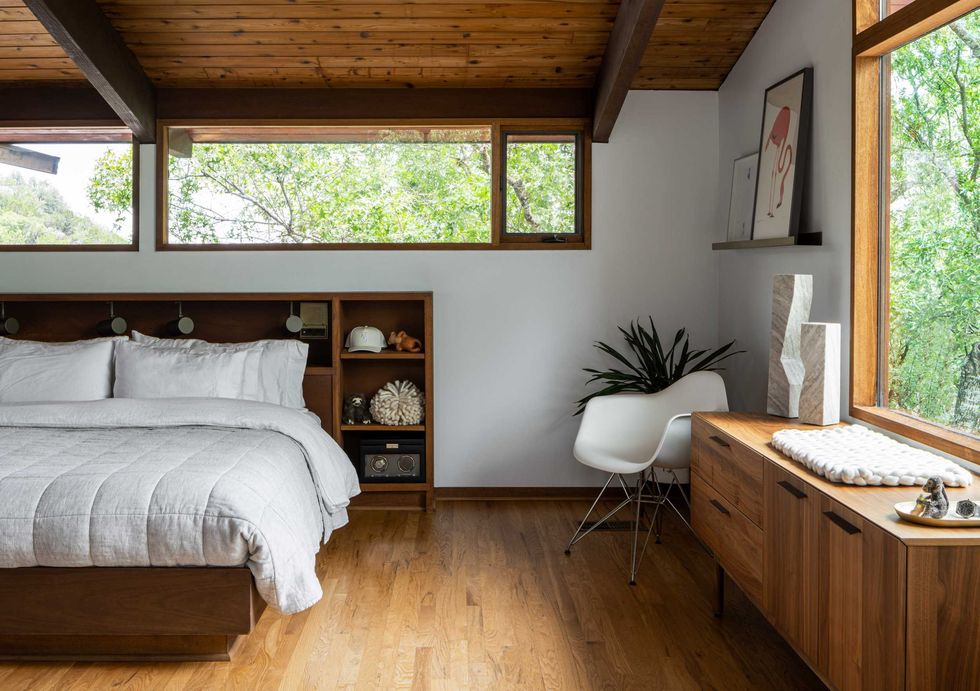 Sterling Cooper Residence by Candace Wong Architecture + DesignPhoto by Rob Gomez
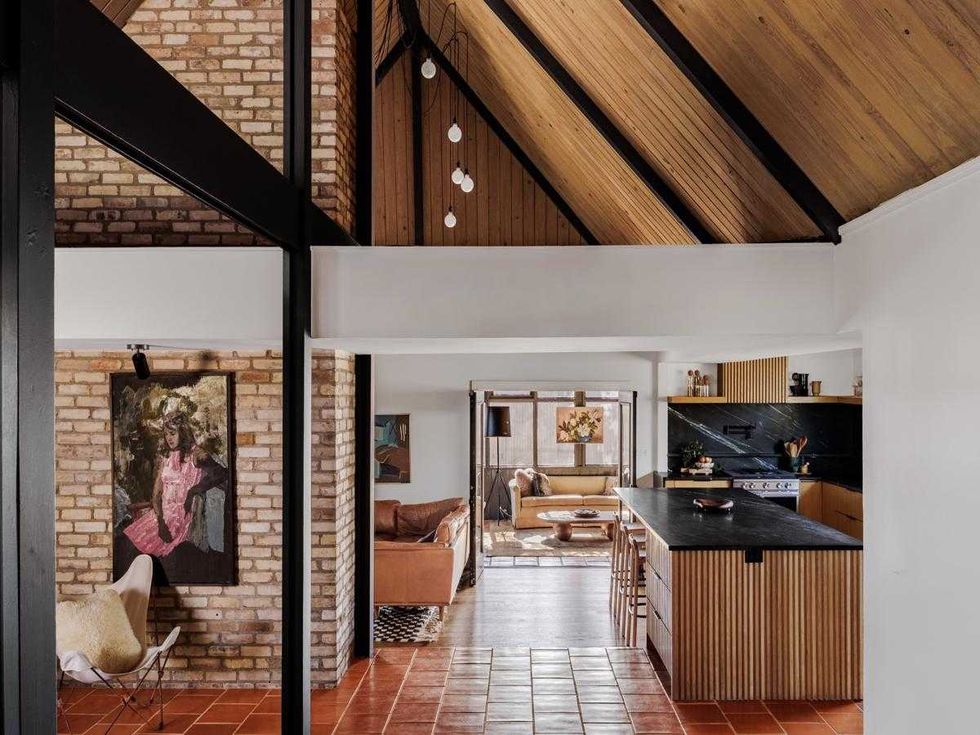
In 1981, this was called the Acorn Deck House and was designed as a modular home. A multi-year redesign completed in 2024 renamed it as The Sterling Cooper Residence, updated the layout with more open spaces, dressed the interior in more modern materials, added exterior spaces, and more. This room in particular shows carefully placed portals to the outside.
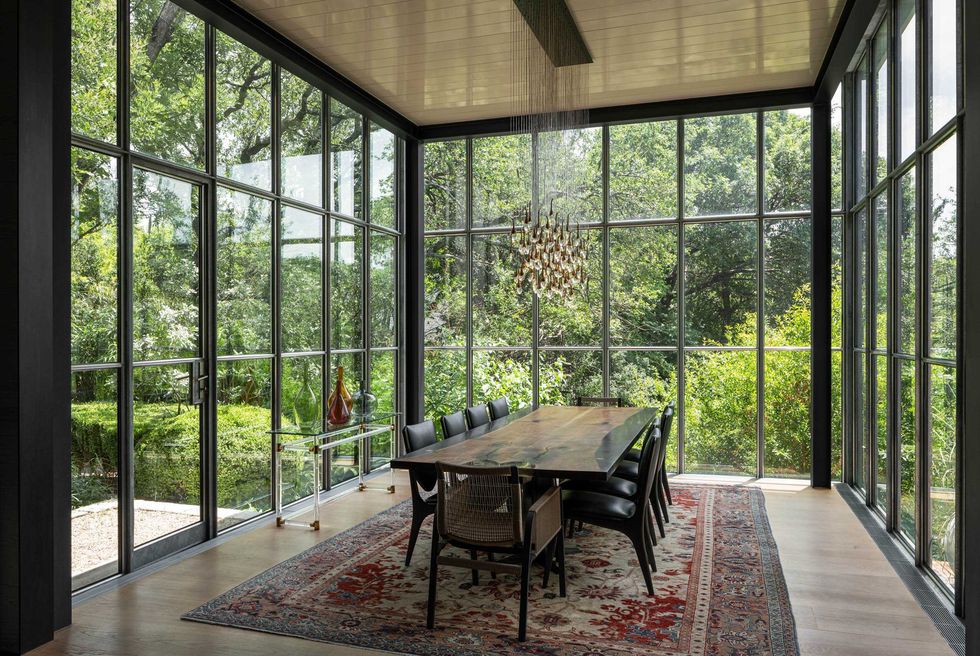 Sugar Creek Residence by Mell Lawrence ArchitectsPhoto by Rob Gomez
Every home on the tour presents a multitude of beautiful spaces, but the designers of the Sugar Creek Residence really knew how to make a strong visual impact. This new dining room doesn't just show off the outdoors, but opens to terraces and gardens. Drama is never far away, but natural-looking and practical materials keep the project cool and grounded.
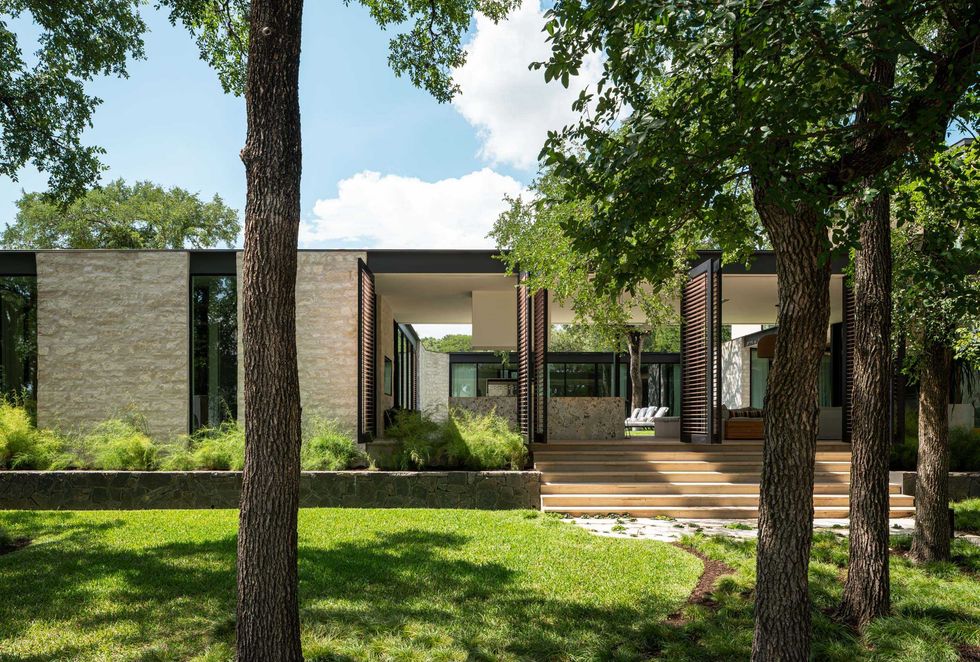 Timberline Residence by A|Parallel ArchitecturePhoto by Rob Gomez
This low-profile build seems like a natural part of its surroundings thanks to local stonework and this unique breezeway, or in this case, a lanai, a Hawaiian patio with a top cover and open sides. The large doors can open or close to convey that the Timberline Residences are ready for visitors or to give more privacy. The courtyard within was designed to keep children in view.
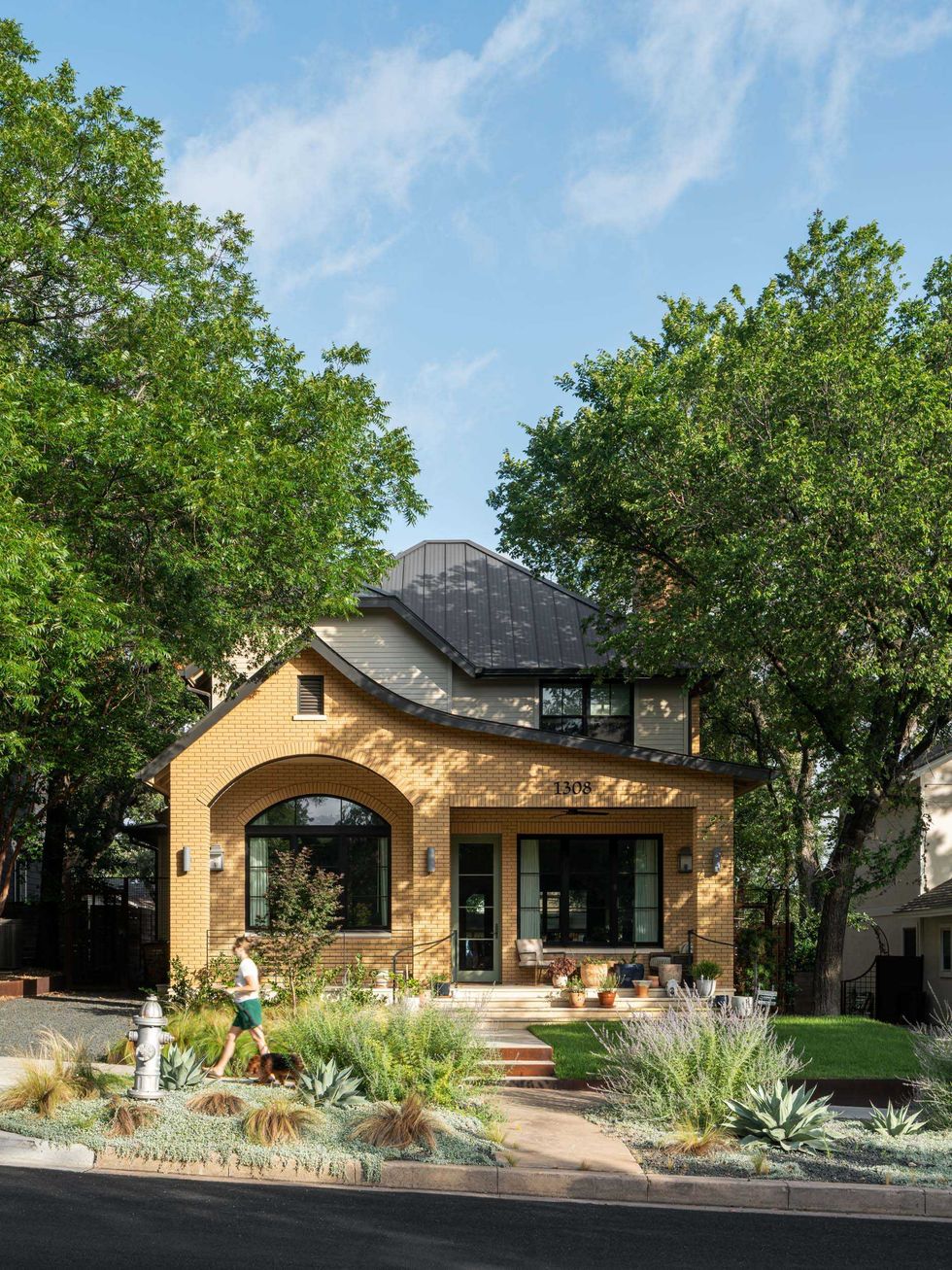 Travis Heights Residence by Studio MomentumPhoto by Rob Gomez
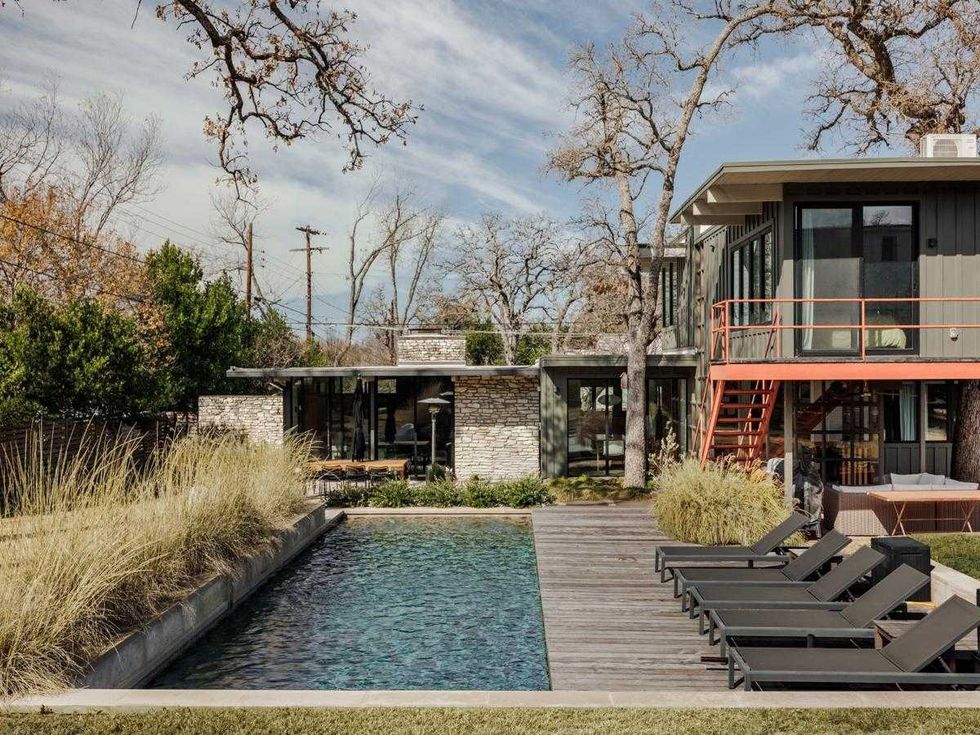
Next to these other modern homes, the Travis Heights Residence feels old-fashioned in a comforting way. The design worked around a large live oak tree and allowed the trees around the back of the house to become an "organic roof" to shelter a courtyard between buildings. Adding to the cozy vibes are a screened porch, a pool, and a fire pit.
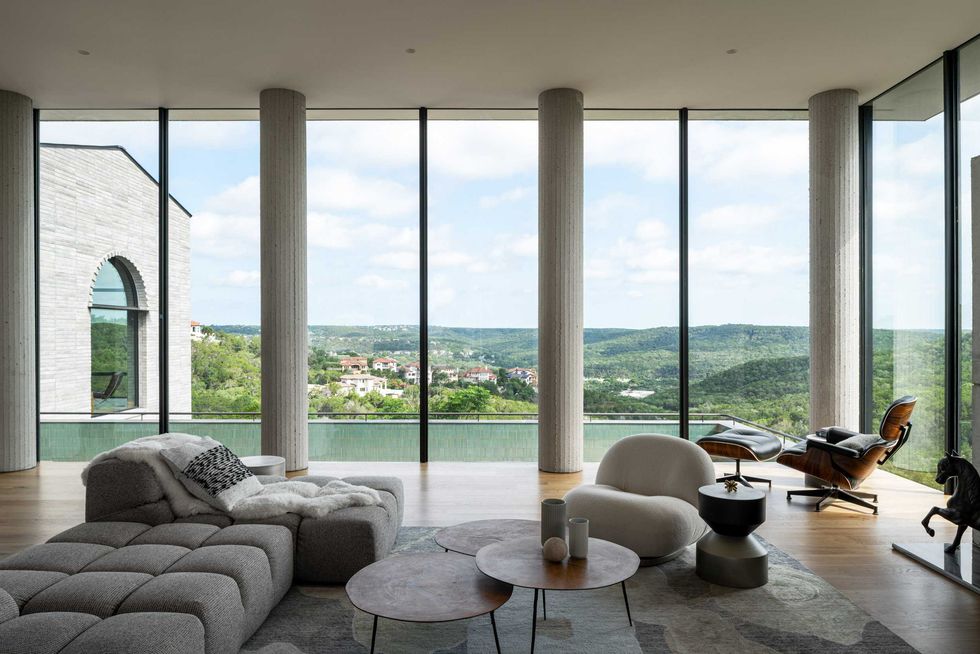 Valburn Residence by Hugh Jefferson Randolph ArchitectsPhoto by Rob Gomez
Subtlety does not seem to be a goal at the Valburn Residence, which in just one shot above contains fluted columns, an infinity pool, and serene rolling hills. (Wave to the neighbors!) However, since this house is not like its neighbors, the spectacle is only from the inside out; from outside, the design is intentionally kept simple.
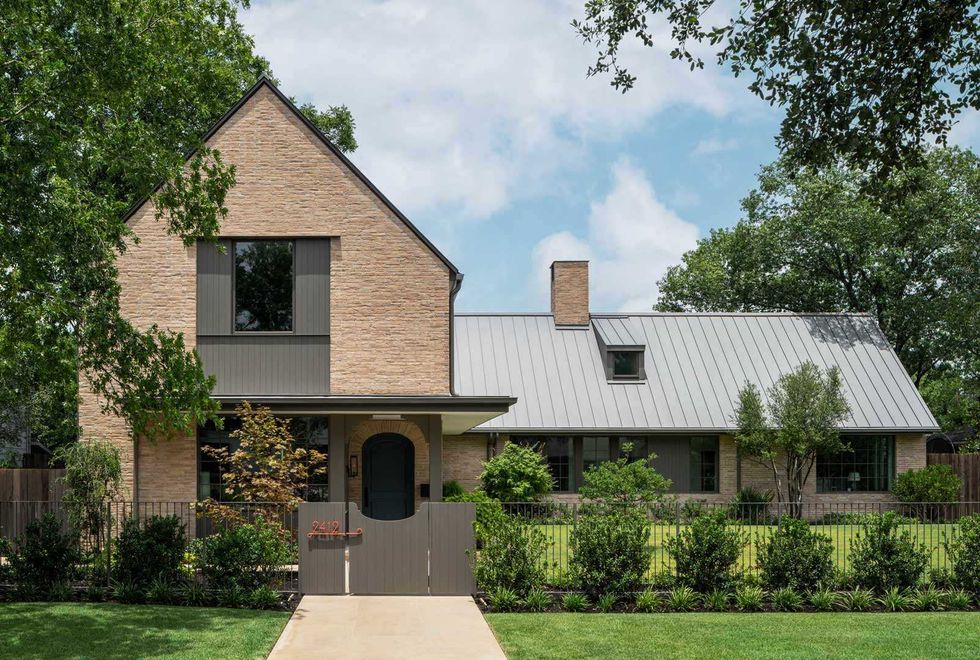 Vista Lane by Cuppett Kilpatrick Architecture + Interior DesignPhoto by Rob Gomez
The elegant Vista Lane keeps some traditional elements while updating others for modern life. That sloped roof keeps the building low while accommodating a second floor (check out the dormer window) and curved moldings inside contributed to the contemporary feel. Two yards are dedicated to pools and games.