The days until South by Southwest (SXSW) 2026, held March 12-18, are really winding down. But the lineup announcements aren't over yet. More than 50 new additions to the Film & TV festival have been announced.
The festival's biggest announcement happened in December 2025, with the announcement that the opening film will be I Love Boosters, starring an ensemble cast including LaKeith Stanfield and Keke Palmer. In January 2026, audiences learned that the TV side of the festival will open with the premiere of TV show Margo’s Got Money Troubles, starring Elle Fanning and Michelle Pfeiffer as a daughter-and-mother duo.
The newest announcement focuses on more niche titles, including the following highlights as selected in a press release from SXSW:
- Pretty Lethal: Directed by Vicky Jewson, this thriller from the United Kingdom follows five ballerinas who are stranded in a forest. They survive in the shelter of "an unsettling roadside inn." The cast includes Iris Apatow, Lana Condor, Millicent Simmonds, Avantika, Maddie Ziegler, and Uma Thurman.
- Hokum: This film by director and screenwriter Damian McCarthy also features a remote inn, where novelist Ohm Bauman goes to scatter his parents’ ashes. He deals with visions and a disappearance as "he is consumed by tales of a witch haunting the honeymoon suite." Cast includes Adam Scott, Peter Coonan, David Wilmot, Florence Ordesh, Will O'Connell, Michael Patric, Siox C, Brendan Conroy, Austin Amelio, and Ezra Carlisle.
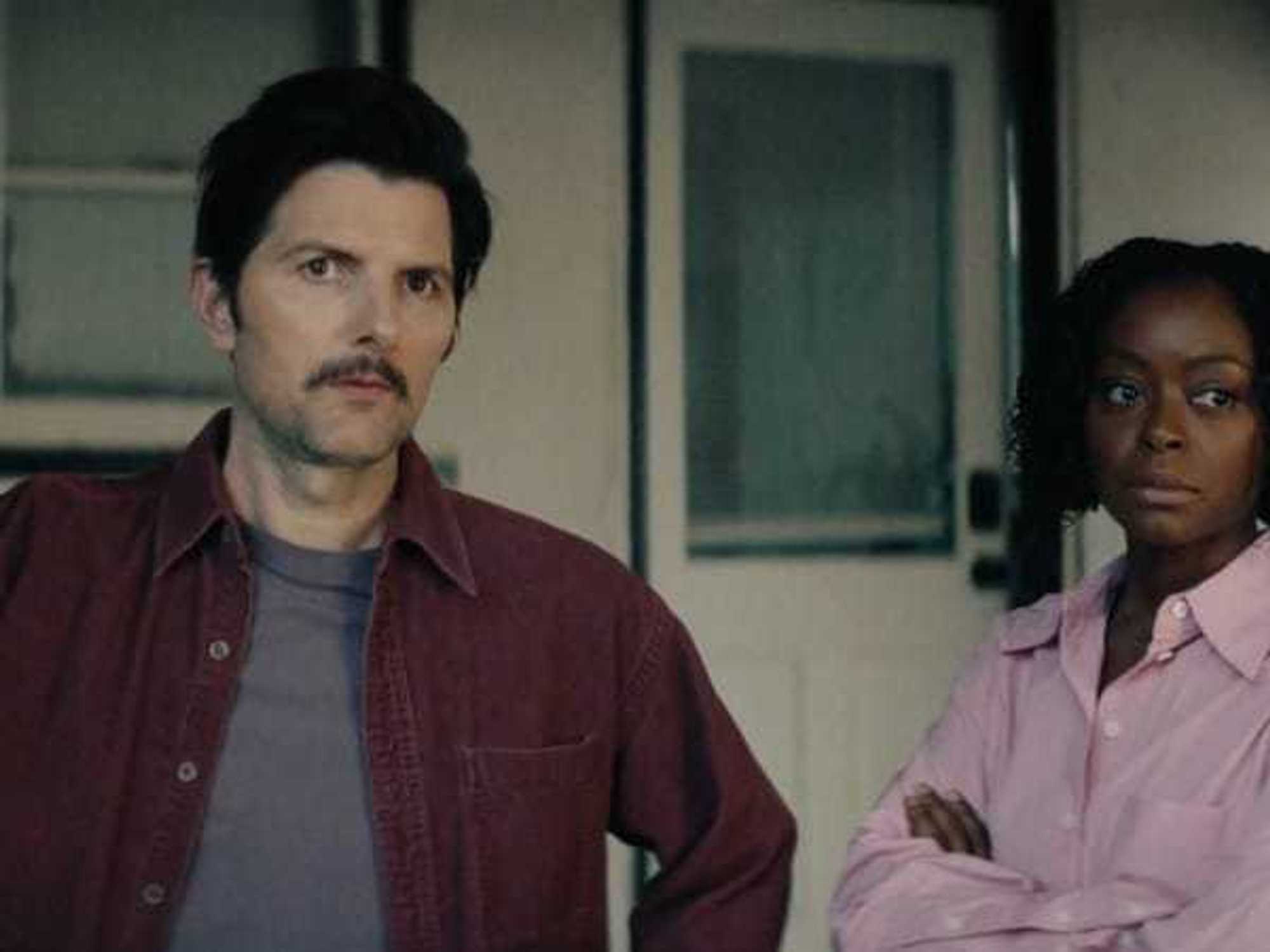
- The Saviors: Also featuring Adam Scott, this film by Kevin Hamedani follows an estranged couple who believes guests at their Airbnb "might be plotting something nefarious." An investigation brings their spark back and the results are "stranger than they could have imagined." Other cast members include Danielle Deadwyler, Theo Rossi, Kate Berlant, Nazanin Boniadi, Daveed Diggs, Ron Perlman, Colleen Camp, and Greg Kinnear.
- Beast Race (Corrida dos Bichos): This Brazilian film by directors Ernesto Solis, Rodrigo Pesavento, and Fernando Meirelles is set in dystopian Rio de Janeiro, which is "addicted to blood sport" amid class wars. A leader of the resistance enters "a violent, high-stakes race to save his sister from a fate worse than death." Cast includes Matheus Abreu, Rodrigo Santoro, Isis Valverde, Bruno Gagliasso, Thainá Duarte, Seu Jorge, Silvero Pereira, João Guilherme, Grazi Massafera, and Anitta.
- Summer of ‘94: Directors Dave LaMattina and Chad Walker look back to the first World Cup in the United States, which "arrived in a country with no league, no culture, and no clue." The documentary follows "a ragtag group of players" trying to save face on a global field.
- The Comeback Season 3: The HBO show by showrunner and director Michael Patrick King is back for its final season, 20 years after the first one aired. The comedy series features cast members Lisa Kudrow, Dan Bucatinsky, Laura Silverman, Damian Young, Jack O’Brien, and Ella Stiller.
- Jack Johnson: SURFILMUSIC: This documentary by Emmett Malloy explores the influences of surfer, filmmaker, and musician Jack Johnson in "rare archives and present-day reflections." Other featured musicians and influences include Kelly Slater, Rob Machado, Gerry Lopez, Chris Malloy, G. Love, Ben Harper, John Florence, Tamayo Perry, and Kim Johnson.
- Lainey Wilson: Keepin' Country Cool: Director Amy Scott chronicles Wilson, who "redefines the modern country star," while sticking to who she really is on tour.
In all, the lineup now includes more than 107 features and 12 TV projects. Extended reality (XR) is also represented in the Film & TV Festival, with 31 projects lined up so far. Projects in all categories will be eligible for audience awards.
“We've assembled an extraordinary range of voices and visions: bold new filmmakers, high-profile studio premieres, gripping series, powerful documentaries, and stunning international cinema," said vice president of Film & TV Claudette Godfrey in the release. "Every year, I'm blown away by the caliber of talent that chooses SXSW to share their work and 2026 is no exception. These projects push boundaries, take risks, and demand to be seen live and in person."
Platinum and Film & TV Badges ($1,865 or $1,095, respectively) are on sale now at sxsw.com. These badges give attendees priority access to films and sometimes other events. Other badge types, like Music, can also access films, but they do not get priority entry. Because space at premieres is limited and lines can be long, it is common to be locked out of popular films, even with the top badges. The SXSW app allows reservations for premieres — a similarly competitive, but more organized system.
Attendees can also start building their personal schedules across all festivals and the conference on the app.