News is circulating that a leader has been chosen for the Texas Music Office. On Friday the Texas Tribune reported that musician Brendon Anthony will take the helm of the organization.
According to the Tribune, he was tapped by Gov. Greg Abbot for the position. Anthony, the Tribune says, is close with Abbott's chief of staff, Daniel Hodge, "a music buff with whom Anthony often crossed paths when he was getting his start in Austin more than a decade ago."
Anthony is best known as the fiddle player for Texas music scene stalwart Pat Green. He is currently the head of ecommerce for Austin-based One Live Media.
The Texas Music Office was created in 1990 for the development and promotion of the state's music industry. Since its inception, the organization has been led by Casey Monahan. Earlier this month, news broke that Abbot would not retain Monahan. Musicians from across the state rallied to reinstate the beloved leader and gathered more than 2,700 signatures on his behalf.
According to a previous interview with the Austin American-Statesman, Monahan will leave his post in mid-February.
One of the most well-known horror tropes of the 1980s was that anyone who had sex in a particular film would inevitably be killed shortly thereafter. The new horror film Leviticusupdates that trope for the 21st century, with the added bonus of pointed commentary that unfortunately remains as relevant as ever.
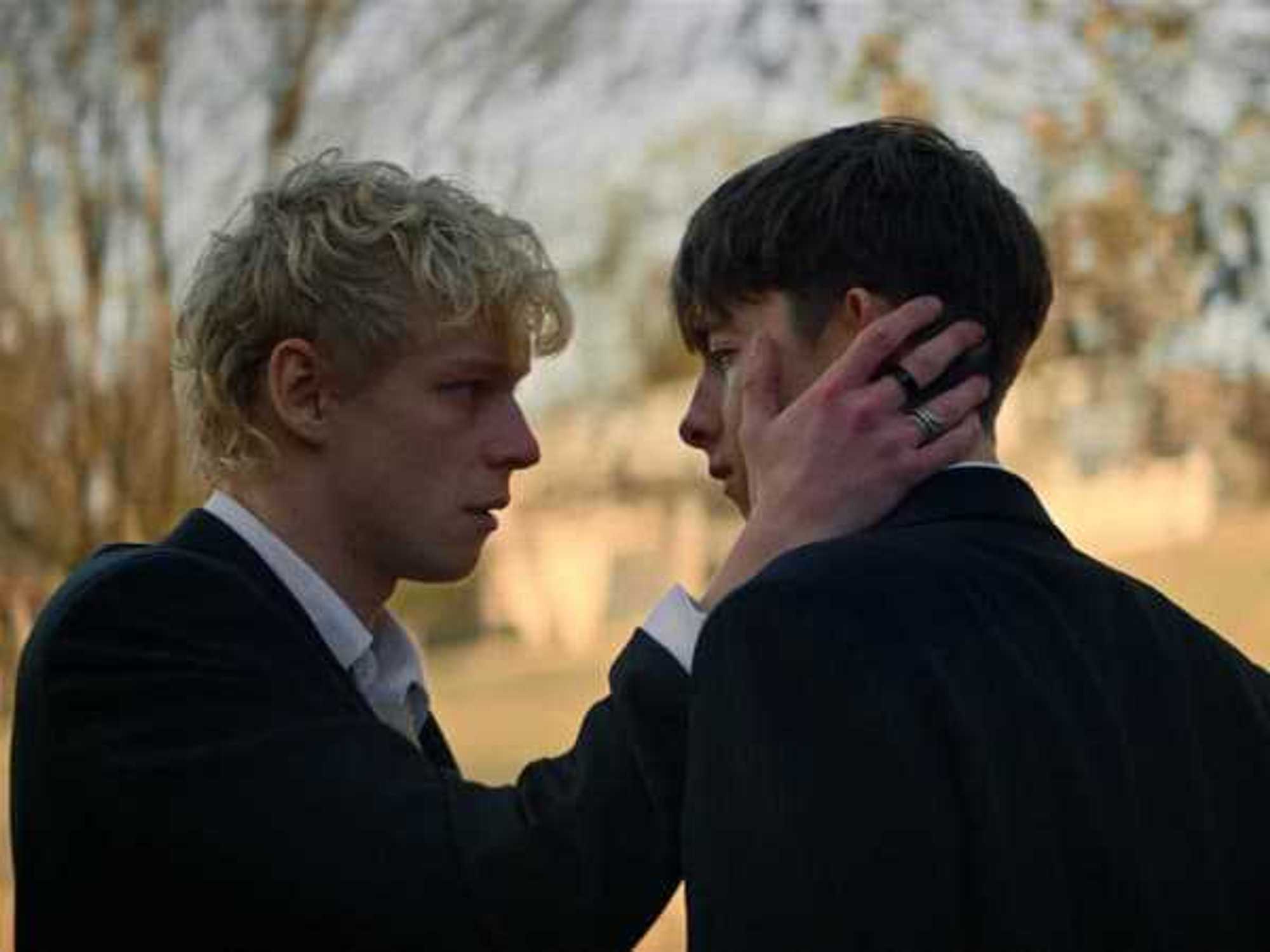
Naim (Joe Bird) and his mother (Mia Wasikowska) have recently moved to a new town in Australia. Naim hasn’t made many new friends except for Ryan (Stacy Clausen), with whom he is exploring a rundown factory as the film begins. The teenage boys discover an attraction toward each other, something they try to keep hidden since the church they both attend abhors homosexuality.
When Naim sees Ryan kissing another boy, he rashly tells a church elder about it, leading to the church forcing Ryan and the other boy — and eventually Naim — to go through a conversion ceremony. But instead of making them believe they’re not gay, the rite conjures a demon, invisible to anyone but them, that takes the form of the person to whom they’re attracted.
Written and directed by first-time feature filmmaker Adrian Chiarella, the film is the latest example of Australia being a hotbed for horror movies. Referencing the same-named Bible chapter that some interpret as forbidding homosexuality, it turns into an intense and clever journey into paranoia. Ryan and Naim still see each other all the time, but they can never trust that the person in front of them is real.
Chiarella makes the most of his limited resources, utilizing dark scenes and dirty locations to complement the already-creepy vibe. But what makes the story hit the hardest is the understanding that boys like Naim and Ryan are almost literally trapped in their small town, unable to find a safe space to be who they are. An unseen demon trying to kill them is one thing, but the unsympathetic people around them feel almost as malevolent.
While the 90-minute film maintains its momentum for the most part, there are times when Chiarella loses the thread on his story logic. At first, it seems as if the demon only attacks when one of the boys gives in to temptation. But as the film progresses, the filmmaker plays a little fast and loose with that reasoning. Certain decisions by the characters also strain credulity, lessening the impact of the story to a degree.
Both Bird (Talk to Me) and Clausen give naturalistic performances that rarely feel as if they’re acting. Wasikowska, who was the “It girl” for a while after starring in two Alice in Wonderland movies, is the only face American audiences will likely know. She does well, especially considering it’s difficult to believe she’s already old enough to credibly play a mother of a teenager.
With a timely theme about the harmful effects of conversion therapy on gay people and a twist on a tired horror trope, Leviticus is another notch in the belt for 2026 as a great horror movie year. With more experience under his belt, Chiarella will likely be able to figure out how to smooth over the bumps in the storytelling he showed this time around.