
Big, Booming Texas
The Big Boom: Texas No. 1 in population growth
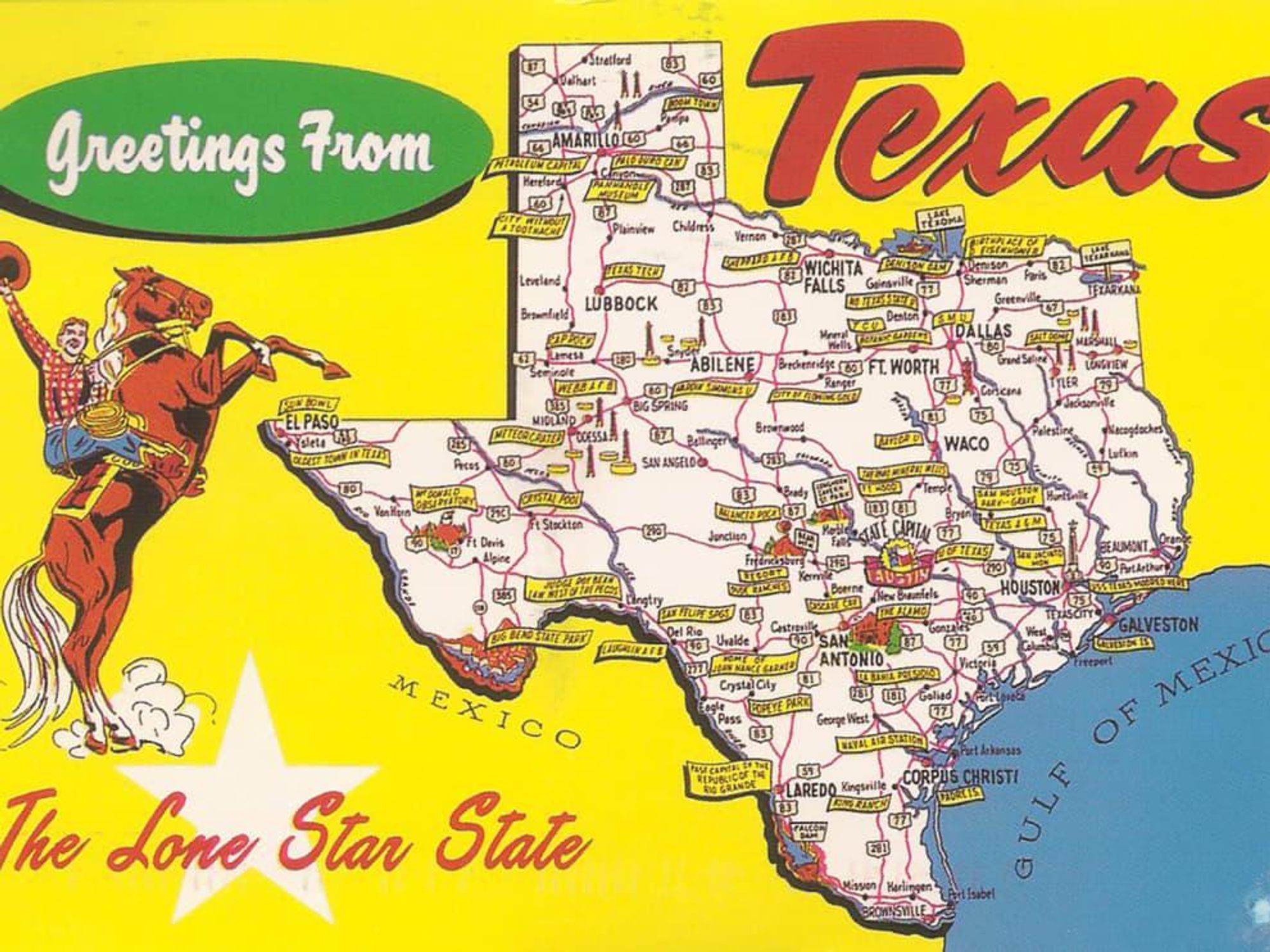
Texas gained more residents than any other state in 2013, according to estimates released by the U.S. Census Bureau on Monday.
The Lone Star State, which has ranked first in annual population growth since 2006, said howdy to 387,000 new Texans in the past 12 months. California — still the nation's most populous state, with 38 million people — added 332,000 residents, while Florida netted 232,111 newcomers.
The Lone Star State said howdy to 387,000 new Texans in 2013.
Warmer-weather states in the South and West are gaining residents at a faster clip than the chilly Midwest and Northeast, both of which have seen only sluggish growth in recent years. North Dakota's impressive 3.1 percent population increase proves the one exception to the climatic trend, notes the Washington Post, thanks to the state's ongoing boom in oil and natural gas.
Maine and West Virginia lost 200 and 2,300 people, respectively, in 2013.
With a population of 26.4 million, Texas continues to hold on to the No. 2 slot in national rankings, a position it wrested from current third-place contender New York more than a decade ago. Florida ranks fourth with 19.5 million, a mere 100,000 people behind the Empire State.
Here's the 2013 Top 10 (with population gains from 2012 in parentheses):
- California – 38,332,521 (up 332,643)
- Texas – 26,448,193 (up 387,397)
- New York – 19,651,127 (up 75,002 )
- Florida – 19,552,860 (up 232,111)
- Illinois – 12,882,135 (up 13,943)
- Pennsylvania – 12,773,801 (up 9,326)
- Ohio – 11,570,808 (up 17,777)
- Georgia – 9,992,167 (up 76,521)
- Michigan – 9,895,622 (up 13,103)
- North Carolina – 9,848,060 (up 99,696)

 Lutie's new executive chef Jakob Czyszczon has been working in fine dining for 15 years. Photo courtesy of Commodore Perry Estate, Auberge Collection