Last year was an exciting year for Austin-made films at the Sundance Film Festival. Nine feature films and three shorts were made by Texans, with nine of the twelve being shot in Austin or directed by Austin-based filmmakers. Though this year's Sundance lineup has a lighter Texas load, there are still a number of films with Austin ties to keep an eye on.
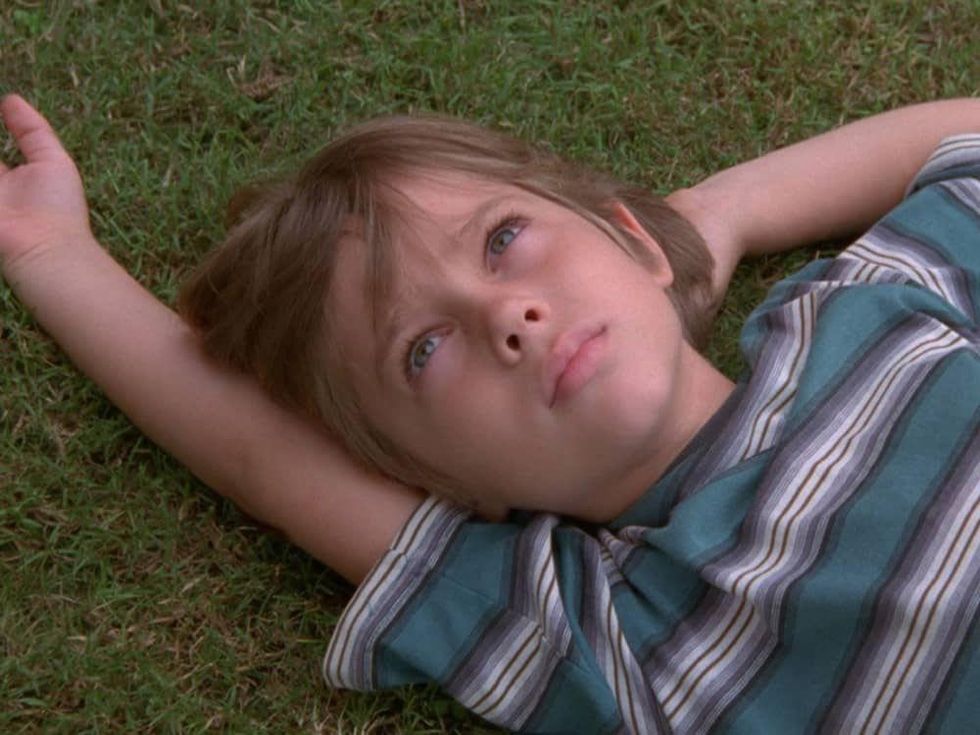
Boyhood — Announced as part of the Sundance lineup at the last minute, this Richard Linklater film, shot over a twelve year period, stars Ethan Hawke, Patricia Arquette, Lorelei Linklater (the director's daughter) and Ellar Salmon. Shot in and around Austin every year since 2002, this innovative film, which was and still remains somewhat shrouded in secrecy, follows the story of a divorced family and the "emotional and transcendent journey of childhood to adulthood."
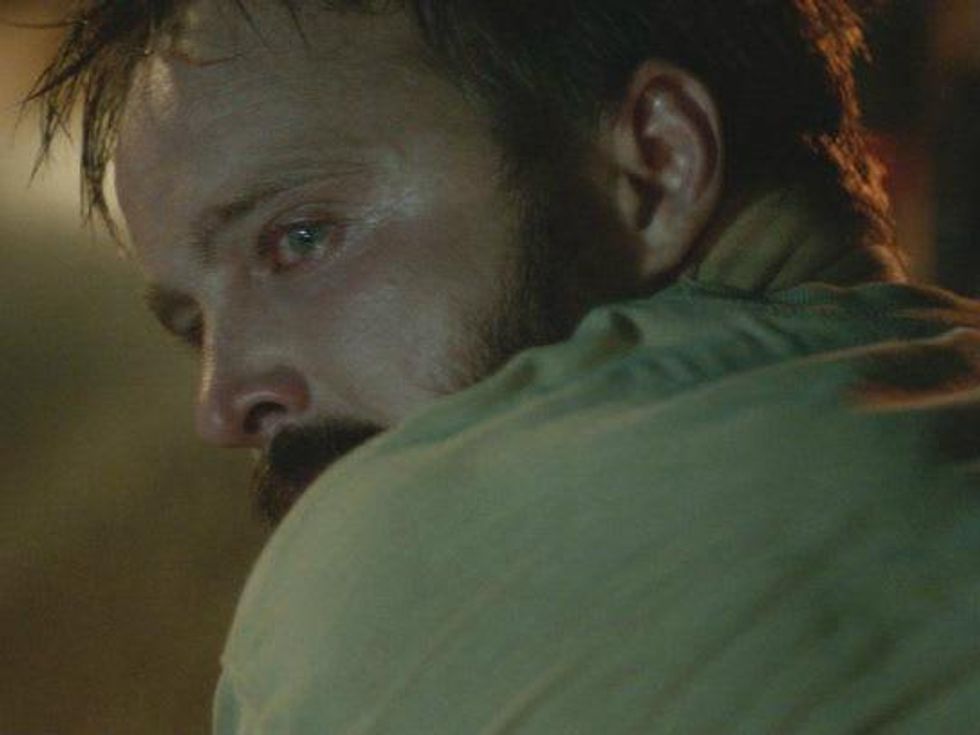
Hellion — The feature version of Austin director Kat Candler's 2012 Sundance short of the same name, this highly anticipated drama stars Aaron Paul of Breaking Bad fame, Juliette Lewis, Josh Wiggins, Deke Garner and beloved Austin-based actor and producer Jonny Mars, who starred in the original short. Hellion follows the story of two wayward young brothers, Jacob (Wiggins) and Wes (Garner), and their relationship with their distant and grieving father (Paul). Child Protective Services sends Jacob to stay with his aunt (Lewis) and his brother and father must come up with a plan to bring him home. This gritty feature is already being hailed for its powerful performances and haunting Texas landscape.
Ping Pong Summer — Written and directed by Michael Tully, a recent Austin transplant and husband of Austin Film Society director Holly Herrick, this film, set in 1985, follows the story of Rad Miracle, a "shy, 13-year-old white kid obsessed with two things: Ping-Pong and hip-hop." This coming-of-age story features a diverse cast including Susan Sarandon, Lea Thompson, Amy Sedaris and Robert Longstreet.
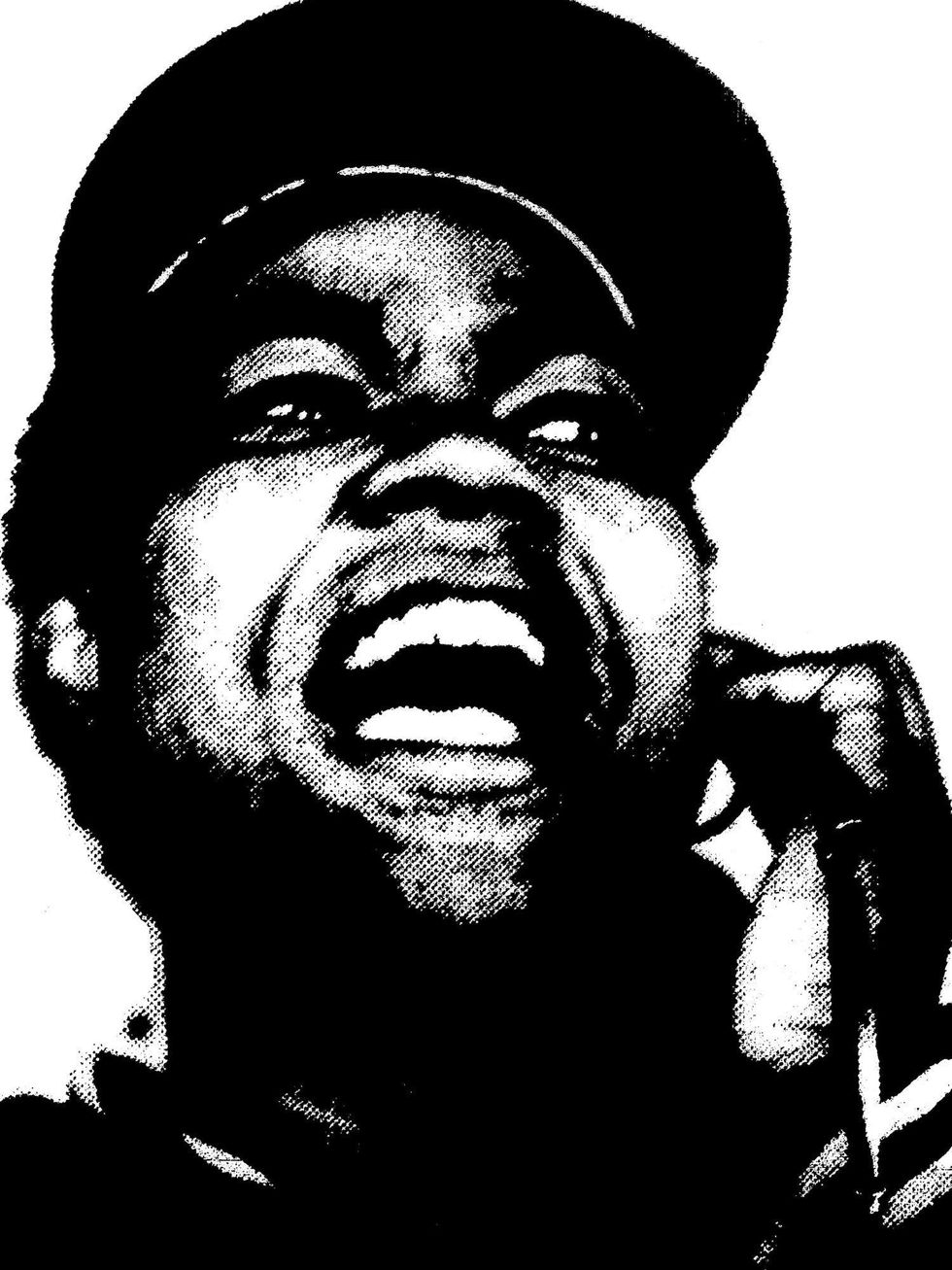
No No: A Dockumentary —This documentary about pitcher and LSD-lover Dock Ellis features an array of Austin talent including first-time director Jeffrey Radice, filmmaker and Austin Film Society board member Mike Blizzard and filmmaker Sam Douglas. Promising to be an entertaining and heartwarming doc, No No tells the story of the man known for pitching a no-hitter while high on acid.
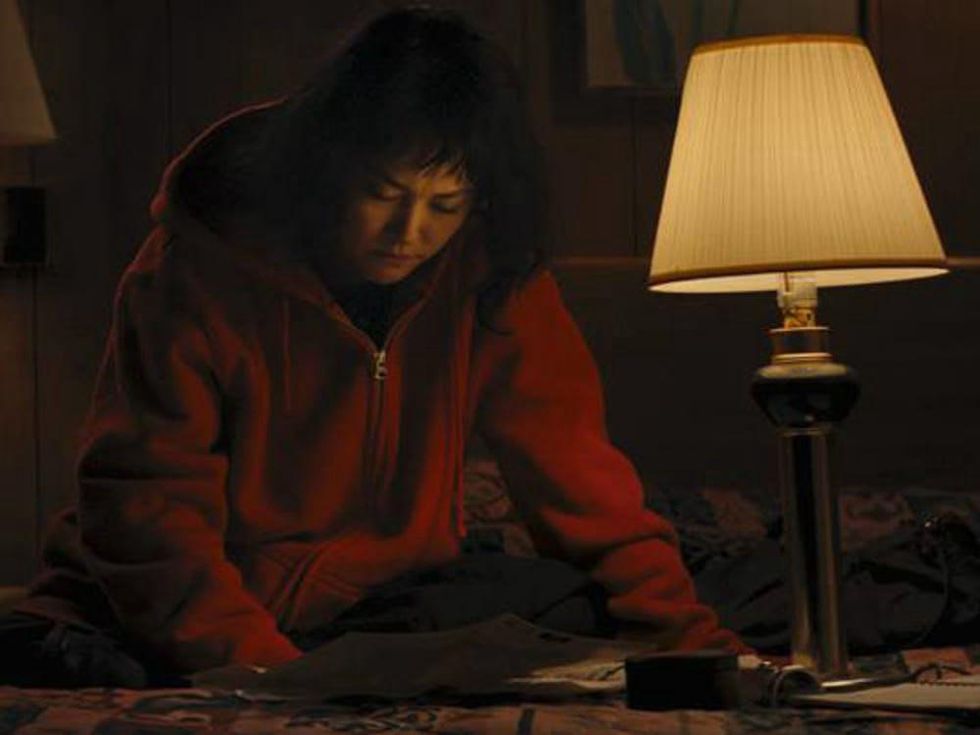
Kumiko, The Treasure Hunter — Directed by Austin filmmakers (and Sundance alumni) David and Nathan Zellner, this character study follows the story of Kumiko, an oddball whose incessant watching of one American film on VHS causes her to head from Japan to Minnesota in search of non-existent buried treasure.
Rat Pack Rat- This short by Austin transplant Todd Rohal tells the powerful story of a Sammy Davis Jr. impersonator who "hired to visit a loyal Rat Pack fan, finds himself performing the last rites at the boy's bedside." Rat Pack Rat also features the producing talents of Austin filmmaker Clay Liford and former Alamo Drafthouse persona Zach Carlson.
Richard Linklater's Boyhood was shot over a 12-year period.
Photo by Matt Lankes IFC Films
Richard Linklater's Boyhood was shot over a 12-year period.
When Parasitewon the Oscar for Best Picture in 2020, it signaled a shift in how international feature films were viewed not only by Academy voters, but also American filmgoers, who made it the fifth-highest grossing non-English language film of all time. Extra attention has been paid to other international films in the intervening years, including the new South Korean film, No Other Choice.
Starring Lee Byung-hun of Squid Game fame, the dark comedy chronicles the increasingly desperate actions of Man-su, a middle manager at a paper factory who is laid off due to automation. After months of trying to find a job at another paper company, he finally finds a good prospect only to learn that several other men may be better candidates. Man-su decides that the only solution is to eliminate the competition.
The only problem is Man-su is a bit of a coward; an early plan at standing up to his company in the face of the lay-offs meets an anticlimactic end. His wishy-washy ways seem to permeate his life, from putting off treatment on a painful tooth to not communicating with his more willful wife to actually going through with his vengeful ideas. He bumbles his way through every aspect of his life, virtually daring anyone to call him out on his poor decision-making.
Written and directed by Park Chan-wook, and co-written by Lee Kyoung-mi, Don McKellar, and Jahye Lee, the film initially seems to be another approach toward telling the class division story that’s at the center of Parasite and Squid Game. And it is that to a degree, as those in charge of the paper companies and the hiring committees are either indifferent or unsympathetic to the plight of those who have been forced out of work.
But the more we see of Man-su, the more it becomes clear that his is a story all its own, one where a man claims there is “no other choice” when in fact there are plenty of other options. The men in the film in general don’t come across well, with many of them reacting to stress by turning into whiners who believe the world is out to get them. Some situations turn violent as the film goes along, events that most of the time could have been avoided if the people involved actually took the time to think things through.
The film features a somewhat confusing story made even more puzzling if you don’t speak Korean. On first viewing, it’s initially unclear why Man-su is doing what he’s doing, or why he’s going after certain people in particular. The plot becomes more understandable as the film progresses, but Chan-wook includes several side plots that muddle things further even as they broaden certain characters. There are also a couple of visual text jokes that can easily be missed if you don’t know where to look.
Byung-hun is great as a man who can’t seem to get out of his own way. The role is almost in direct contrast to the one he played on Squid Game, making it easy to see how well he can adapt to different stories. Son Ye-jin as Man-su’s wife Miri and Lee Sung-min as Bummo, one of Man-su’s intended victims, are also highly engaging.
Like any film not in English, No Other Choice requires viewers to pay strict attention to the screen to get full enjoyment of the actors and their dialogue. While it doesn’t hit as hard as a comedy because of this factor, it’s still a greatly entertaining film whose underlying message makes it become a little deeper.