
i-News
Apple bites into North Austin with new $1 billion campus and 5,000 potential jobs
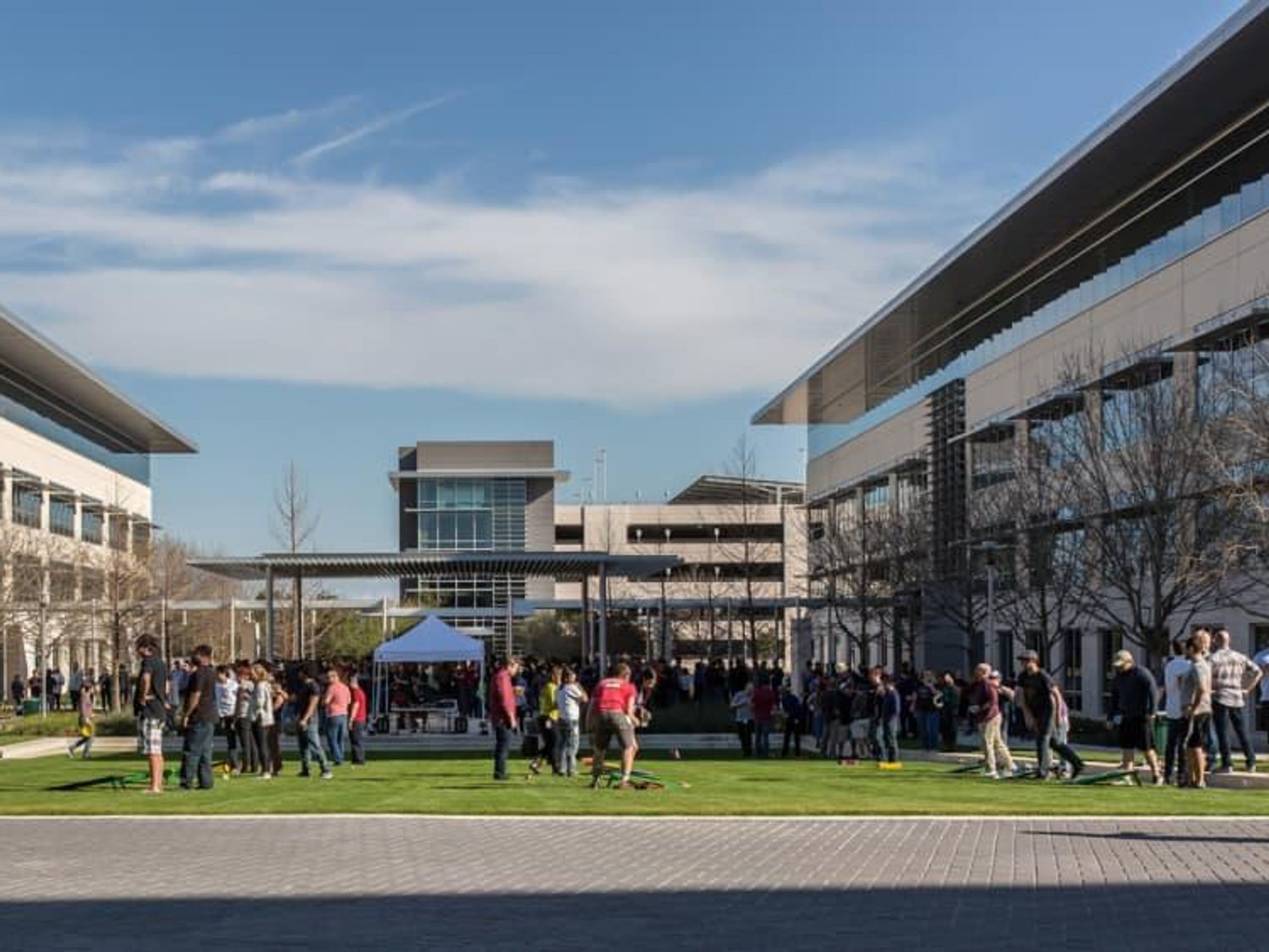
Apple, maker of all things "i" — iPhone, iPad, I don't even know — is embarking on a massive expansion in the Austin area. On December 13, the Cupertino, California-based company announced it is investing $1 billion to create a North Austin campus and adding 5,000 potential new jobs.
Though an exact location was not revealed, the company said the new 113-acre campus will be located "less than a mile" from its current office on Parmer Lane near the Domain. Initially the new Austin Apple will be designed to accommodate 5,000 employees, with the possibility to grow to up to 15,000 employees, the company says.
According to a release, the new facilities will house a broad range of job functions, including engineering, R&D, operations, finance, sales, and customer support. Currently, Apple employs 6,200 Austinites, the largest group outside of the tech company's California headquarters.
“Apple has been a vital part of the Austin community for a quarter century, and we are thrilled that they are deepening their investment in our people and the city we love,” said Mayor Steve Adler in a news release. “Apple and Austin share a creative spark and a commitment to getting big things done. We share their commitment to diversity and inclusion. We’re excited they are bringing more middle-skilled jobs to the area."
Apple says the new North Austin property will also feature 50 acres of preserved open space, and will be run on 100-percent renewable energy.
Austin isn't the only city receiving a windfall. Apple says that in addition to creating a new Capital City campus, it plans to add 1,000 new jobs in Seattle, San Diego, and Culver City (near Los Angeles). It's also making a dedicated push into other cities and promising to bring "hundreds" of jobs to Pittsburgh; New York; Boulder; Boston; and Portland, Oregon. The company also recently announced a new office in Nashville.
“Apple is proud to bring new investment, jobs, and opportunity to cities across the United States and to significantly deepen our quarter-century partnership with the city and people of Austin,” said Apple CEO Tim Cook. “Talent, creativity, and tomorrow’s breakthrough ideas aren’t limited by region or zip code, and, with this new expansion, we’re redoubling our commitment to cultivating the high-tech sector and workforce nationwide.”


 Lutie's new executive chef Jakob Czyszczon has been working in fine dining for 15 years. Photo courtesy of Commodore Perry Estate, Auberge Collection