
Fake Fish, Real Meat
Austin sushi restaurant debuts lab-grown salmon made from fish cells
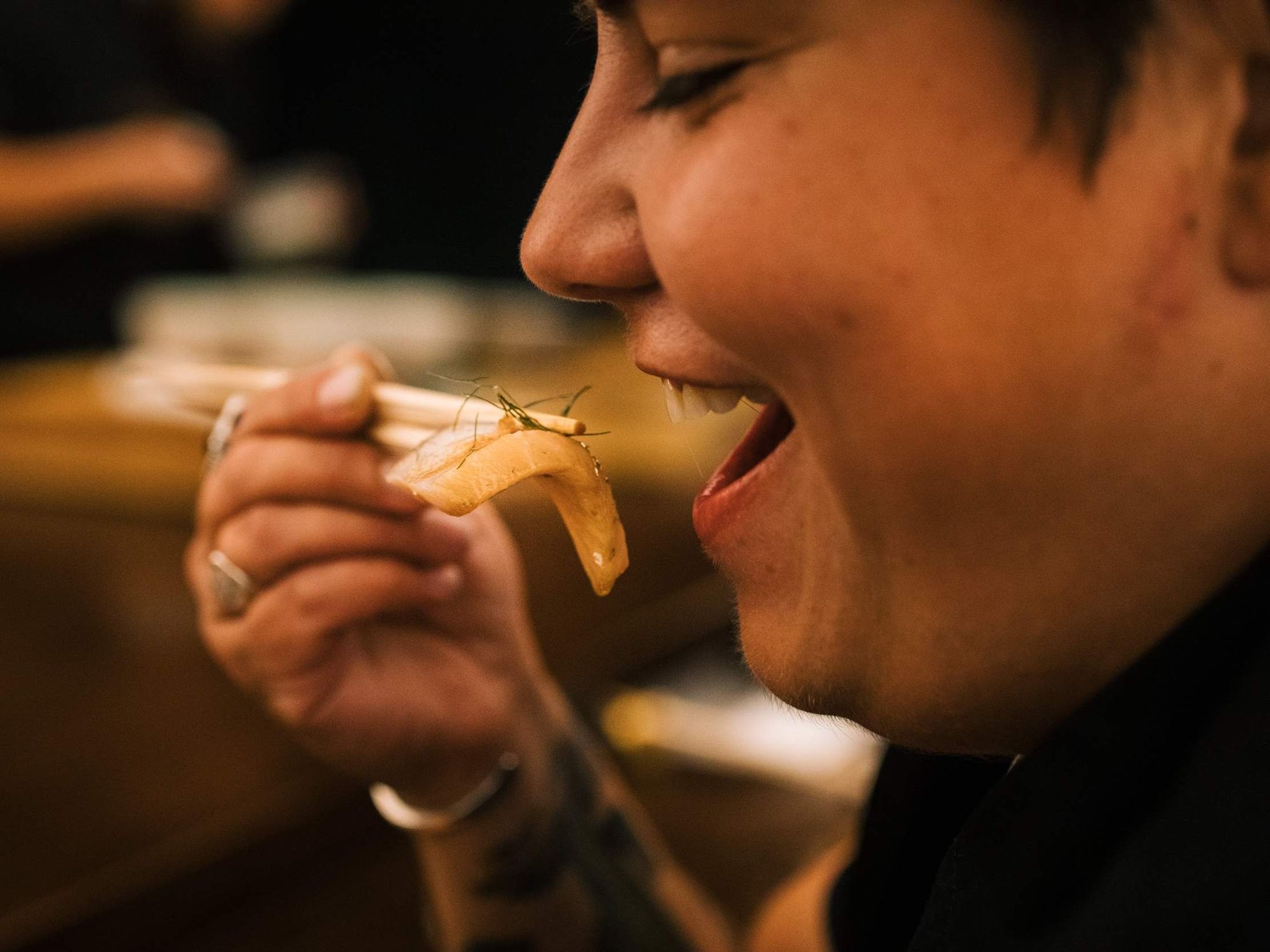
OTOKO is the first and only place in Texas to offer Wildtype's cultivated salmon.
Austin once again finds itself paving the way for a new technology; this time not in a cowboy-hat wearing robot or self-driving car, but in food. Acclaimed omakase restaurant Otoko is now offering cultivated salmon by a company called Wildtype. It's a sushi-grade salmon lab-made — rather than farmed or caught in the sea — from genuine salmon cells.
This makes Otoko the first and only place in Texas to feature this delicious and eco-friendly new protein, but it'll only be around for a limited time.
The Texas legislature recently passed a ban on lab-grown proteins, which prohibits the "manufacture, processing, possession, distribution, offering for sale, or sale of cell-cultured protein." The law goes into effect September 1 and sunsets in 2027.
"While Otoko is thrilled to explore such groundbreaking innovation, the restaurant is also committed to abiding by the recent changes in Texas legislation," the restaurant said in a statement by email. "Those interested in trying Wildtype are encouraged to visit before September 1."
There are lots of reasons beyond curiosity to try it while it's available.
"It's more environmentally friendly, has no parasites, overfishing, or microplastics," says Otoko head sushi chef Bigler Cruz. "We're trying to help educate our guests that other options are available and that we, as a restaurant, are conscious of our impact on the environment."
According to Cruz, this cultivated salmon saku (a cut without skin or bones) tastes like wild salmon, and will be offered as part of Otoko's classic omakase services, prepared fresh nightly. Specifically, the Wildtype salmon is included in the hamachi binchotan (grilled yellowtail) dish, so that "guests can see how we use the salmon side-by-side with another type of fish," says Cruz.
Of course, Wildtype also turned a camera on Otoko's always-engaging executive chef, Yoshi Okai.
At Otoko, there are a few types of experiences guests should know before making an omakase reservation. Below are the options between now and September 30:
- Classic omakase: A 20-course Kyoto-style kaiseki (structured) omakase experience featuring a blend of nigiri and sashimi, alongside a variety of hot and cold Japanese dishes. Available for one to four guests.
- Sushi omakase: A Tokyo-style sushi omakase dinner, only available on Wednesdays, featuring a specially-curated selection of nigiri and sashimi throughout 20 courses. Available for one to six guests.
- Kaiseki-ryori: A 15-course kaiseki omakase experience, available every first Thursday of the month. This is a shortened version of the classic omakase experience with a lower price tag. Available for one to four guests.
The Wildtype salmon won't be replacing the fish used at Otoko; it will just be included in the hamachi binchotan. Though perhaps someday, it will hold a larger place on Otoko's menu, and other menus around town.
"As awareness around sustainability and food transparency grows, we’ll definitely see more cultivated options on menus," says Cruz. "It’s just the beginning of a major shift in how we think about seafood and protein."
Already in Austin, we've seen a similar shift. Just in the past 30 days, Austin taco window Taco Pegaso debuted an all-veggie menu and the upscale BOA Steakhouse announced its new "beyond steak filet." This plant-based fillet is made to taste just like real steak, and even has the 28 grams of protein that many veggie options lack.
Otoko is located at the South Congress Hotel at 1603 S. Congress Ave.
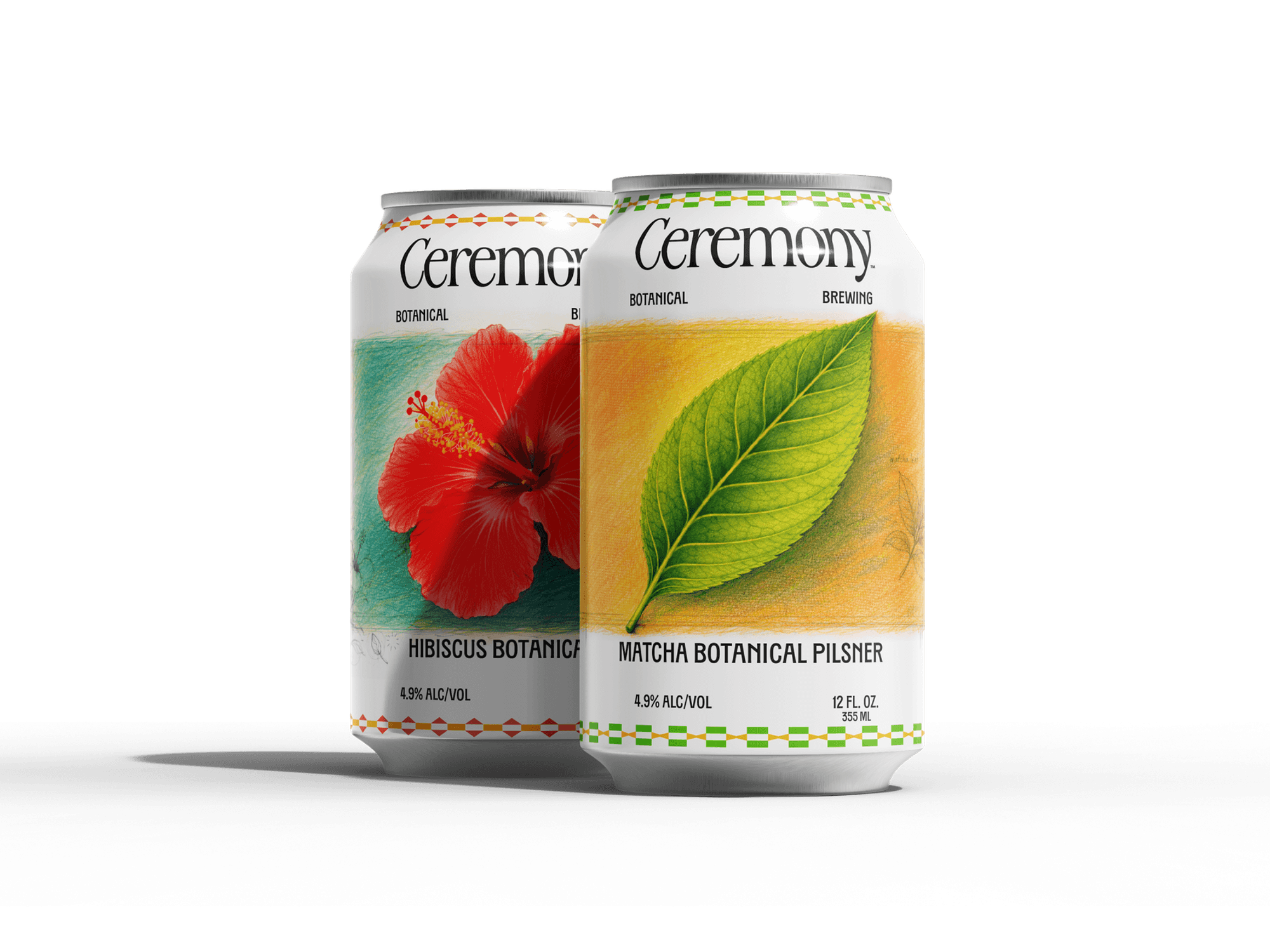 These drinks are based on the ingredients they honor, not just flavored with them.Image by Ceremony Botanical Brewing