
HEALTH NEWS
Austin's Kind Clinic uses test rates to compel city council action
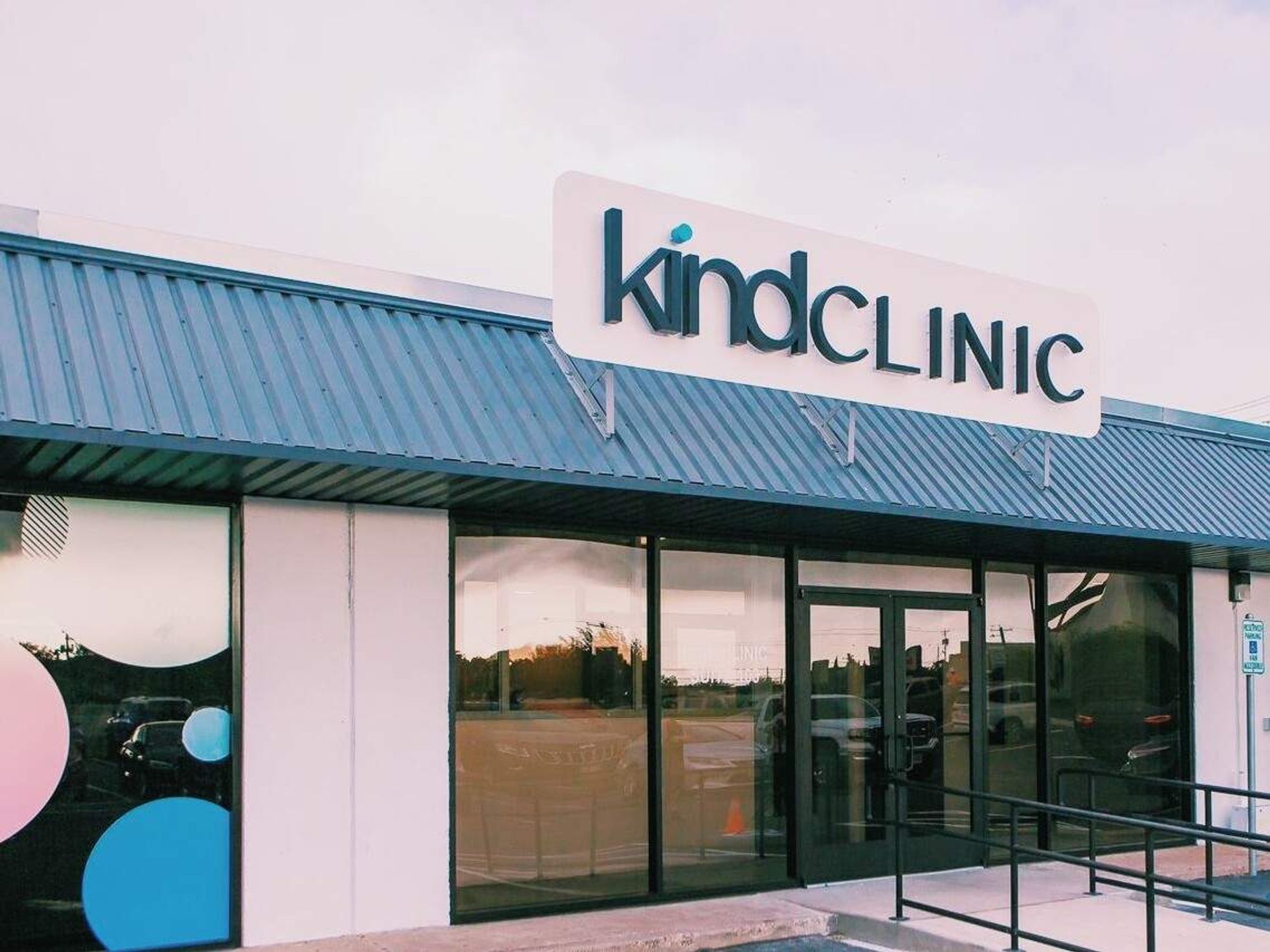
The Kind Clinic has run some numbers in the middle of the year.
Austin's Kind Clinic, a sexual health clinic with specialties serving the LGBTQIA+ community and people impacted by HIV, is hoping its most recent test data will underscore a need for vital funding from the Austin City Council.
The clinic says one in seven patients who visited for testing were positive for an sexually transmitted infection (STI) in the first half of 2025. The data is presented in a routine report, but is framed by heightened circumstances: Austin City Council's consideration of the current 2025-2026 city budget proposal.
What the test rates say
The report, "HIV & STI Testing and Treatment Trends: 2024 Review and 2025 Mid-Year Insights," combines two time periods, making it a bit different than the preceding "Community Health Report", which solely dealt with 2023 as a whole.
A press release characterizes STI rates as "holding steady." In fact, looking at the 2023 report, the positivity rate seems to have decreased slightly. In 2023 it was 18.41 percent, which the clinic rounds to one in five. For 2024, it was 17.47 percent, or one in six. The one in seven figure for the first half of 2025 refers to a positivity rate of 15.17 percent.
In 2025, 3,553 patients were tested through the Community Health and Walk-In Testing Program. ("Based on the current pace of testing this year, leaders expect to surpass last year’s totals," says the release.) Of those who did test positive in 2025, 95 percent received treatment onsite from the Kind Clinic, and 30 percent received it at the time of testing.
“This report underscores the critical role Kind Clinic plays in the public health network of Central Texas,” said Christopher Hamilton, CEO of Kind Clinic's parent organization, Texas Health Action, in the release. “We are already on track to test more people in 2025 than we did last year, which means more opportunities to connect individuals to prevention tools, deliver treatment and stop the spread of infection. Every test represents a moment where we can protect someone’s health — and by extension, the health of our entire community.”
Call to action
Bolstered by the report data, the Kind Clinic is issuing a "call to action" to City Council. The clinic received a one-time funding allocation in 2023 for increasing its reach in high-positivity areas and agility, and it hopes to receive the same permanently starting in 2026. In return, it promises no-cost testing, expanded outreach, and "immediate linkage to care."
The report tallies up a price tag of $800,000 annually.
“With 1.9 million Texans expected to lose health insurance under the recent federal budget bill, and uncertain state funding for community-based prevention, local government action will be critical to preserving access to life-saving care,” said Hamilton.
Other notable figures from the report include that the most common positive test for Central Texans at the Kind Clinic this year is gonorrhea, just like in 2024. It currently represents 55 percent of the positive tests. In 2023, it was chlamydia, at 44.54 percent.
'Public health imperative'
The city also maintains its own sexual health clinic at RBJ Health Center (15 Waller Creek). In contrast to Kind Clinic's free testing, the city charges $20. The city's clinic does not specialize in LGBTQIA+ or HIV-positive care, although it does handle both along with the general population. The Kind Clinic also has more locations: one off I-35 in South Austin, and one on Koenig Lane in North Austin.
“This is not just a budget decision — it’s a public health imperative," said Texas Health Action chief advancement officer Juan Benitez. "Austin is a city that values inclusivity, and that means ensuring LGBTQIA+ residents and others disproportionately impacted have access to care from providers who understand their needs.”


 Lots of people want to live in Leander. Leander Parks & Recreation/Facebook