Fruits of the Red River
Austin's main live music corridor generated $2.3 billion in 5 years
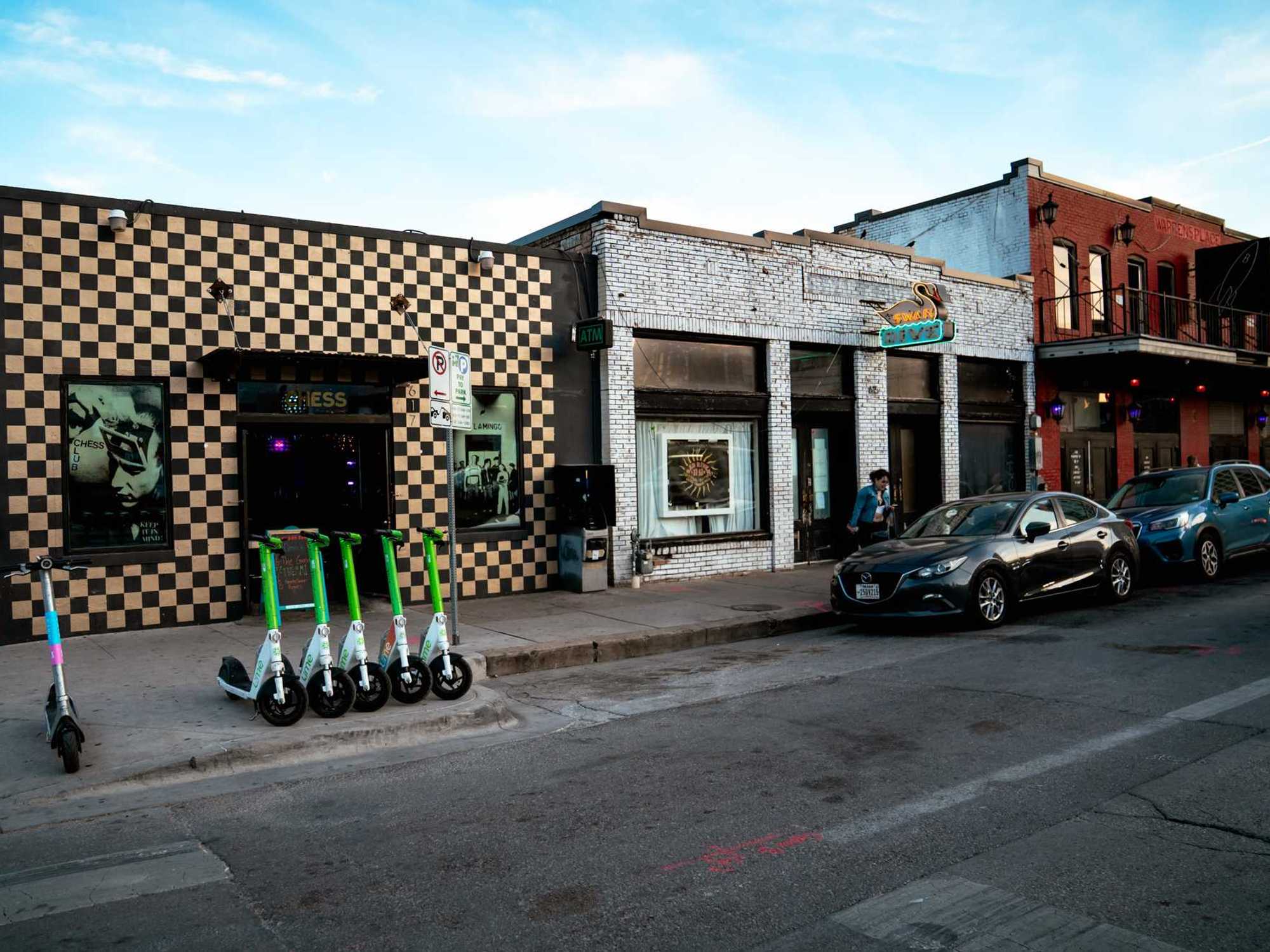
The Red River Cultural District has an outsized impact for its small physical footprint.
Most people know that live music is a major driver for Austin's economy, but how much do local acts factor in? The Red River Cultural District (RRCD), a stretch of road with a high concentration of venues that mostly platform local performers, has answered the question with its first comprehensive Economic Impact Study.
The study finds that in the past five years, the RRCD has generated more than $2.3 billion in total economic impact. That includes $23 million in local taxes and nearly $174 million in local labor income. It supported 3,715 full-time equivalent (FTE) jobs around the Austin area, more than 650 musicians, and more than 18 venues.
As readers who keep up with music industry news might expect, the largest spending was in food and beverages ($131.8 million). That was more than twice the impact of ticket sales ($61.3 million).
That's a lot of impact for a stretch of road that reaches from Fourth to 15th Streets — only about three-quarters of a mile. At its widest, from Interstate 35 to Trinity Street, it spans only about a quarter of a mile.
The study was executed independently by AngelouEconomics with funding from the City of Austin that the community helped secure. Other funding came from individual donors and brand sponsors. Knowing the numbers makes it easier for the district to explain its value to secure more funding going forward.
“We have long spoken about the economic and cultural benefits of Red River and its role in amplifying our value and
contributions to this community, as well as to the broader creative and music ecosystems," said RRCD executive director Nicole Klepadlo. "Having the opportunity to now see the data, understand our worth, and recognize the substantial economic impact we bring to this community is a major milestone for our organization and district."
Folks who worry about the state of live music and independent venues have plenty of reason to do so, but they might count this data as a positive sign: from 2021-2025, the annual economic impact grew from approximately $380 million or more to nearly $530 million. RRCD is reading this as proof that the area is recovering after early pandemic pains, in part thanks to its increased programming.
Most Austinties, if they know that the district operates as a nonprofit and not just a passive neighborhood, associate it with its seasonal, twice-annual donation-based festivals: Free Week in the winter and Hot Summer Nights in the summer. (Those generated $4.7 million over the last year.) But it also hosts other low-cost concert series, hosts community events like an industry panel and a film screening, and even dug into the district's history in a new zine that launched in early 2026.
“For the first time, we have the data to prove what we have always known: that our dense, walkable cluster of legacy businesses
and iconic music venues is one of Austin's most vital economic and cultural engines," said Elysium owner, RRCD founding member, and board of directors president John Wickham. "Elysium is so proud to be part of a place that provides so much value to our community. As stewards of Red River this report is a call to action for our city leaders, private partners, and community to join us in a shared commitment to protect and invest in this place.”