
Defending the District
Red River district leaders respond to Austin venue closures in letter

The building housing Elysium is listed for sale.
Austin's live music and nightlife corridor, the Red River Cultural District (RCCD), took a few hits in August — at least, its venue owners did. With one venue certainly closing and two more supposedly on the chopping block, community members are looking on in suspense. Some are even wondering if the city can do something to stop the bleed, and an open letter from the district's board of directors seems to answer that question with a call to action.
This August's events weren't the only changes causing concern. The RRCD Board of Directors enumerates them in the open letter:
"In the last twelve months alone, our downtown corridor has lost Koriente, Feels So Good, Empire Control Room & Garage, and Marlow, among others. Valhalla has now announced that its 17-year run will end this fall following the sale of its building. The property housing Elysium and The 13th Floor was also recently listed for sale. One closure is a headline. Two is a cause for concern. This many, this close together, is a dire warning!"
The basic message in the letter asserts that the city has a responsibility to protect RRCD businesses, and it's already agreed to do so. The letter asks the city to finish the projects it's started in the area. To illustrate the point, an expanded version of the call to action online lists a "record of commitments," including the original official recognition of the area as a district in 1991, the designation that made it a cultural district in 2013, and the 2016 plan to stabilize business in the cultural district.
The letter calls two more recent resolutions into focus, asking the city to "advance the development and implementation of the Red River Cultural District Overlay without further delay, as directed by RESOLUTION NO. 20220728-094 and RESOLUTION NO. 20240229-060." The two resolutions, respectively, "create a bonus and incentive program for live music venues" and "identify funding options in the current fiscal year that could be used for the Red River Merchants Association," in their text.
That's ask number one. The other two refer to the Downtown Density Bonus Phase II, the Transfer of Development Rights Policy, and the Central City District Plan, plus a broader call to "ensure that the value created through increased density and redevelopment can also help retain, replace, and create music and cultural spaces within the district as a form of community benefits.
The rest of the open letter and its supporting or expanded documents explain the context of the district's preservation, point out what other cities have done to protect their cultural spaces, and urge live music supporters to keep buying tickets and drinks, while recognizing that "the challenges facing Red River today cannot be solved one bar tab at a time."
RRCD leadership urges readers who agree with the letter to sign on via an online form. The form asks for the signer's connection to RRCD, but anyone can sign it, including Austin residents and supporters.
A broader topic comes up in the open letter: growth and the existing culture that make Austin attractive to people and businesses are often seen as being at odds. As people are drawn to the cool late-night energy of Red River Street, it becomes more valuable to the entities that may later swoop in to buy real estate and displace those same culture-defining local businesses. As downtown encroaches, RRCD leaders make the case that the competing interests must coexist.
"Growth does not have to come at the expense of culture," they wrote. "'Other cities have built policy around that principle. Austin can too."

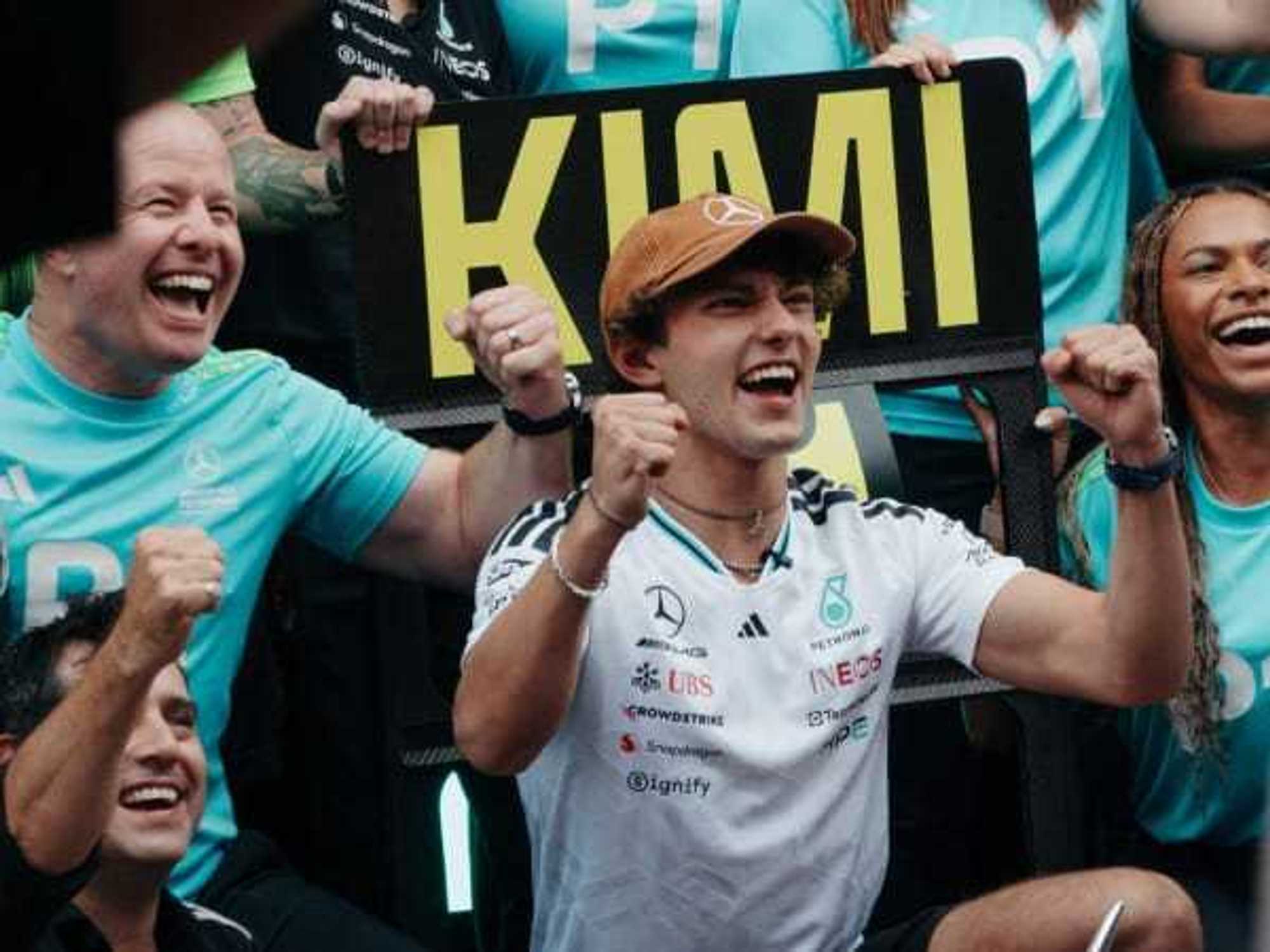
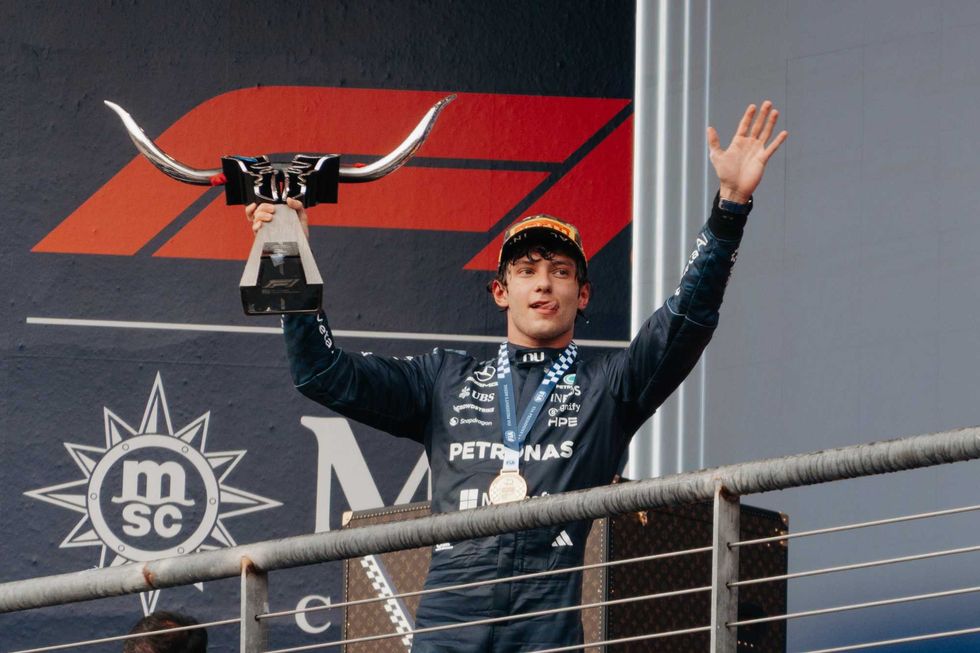 Following his win on Sunday, Mercedes driver Kimi Antonelli is only two points away from winning the Formula 1 Drivers' Championship. Photo by Amber Heckler
 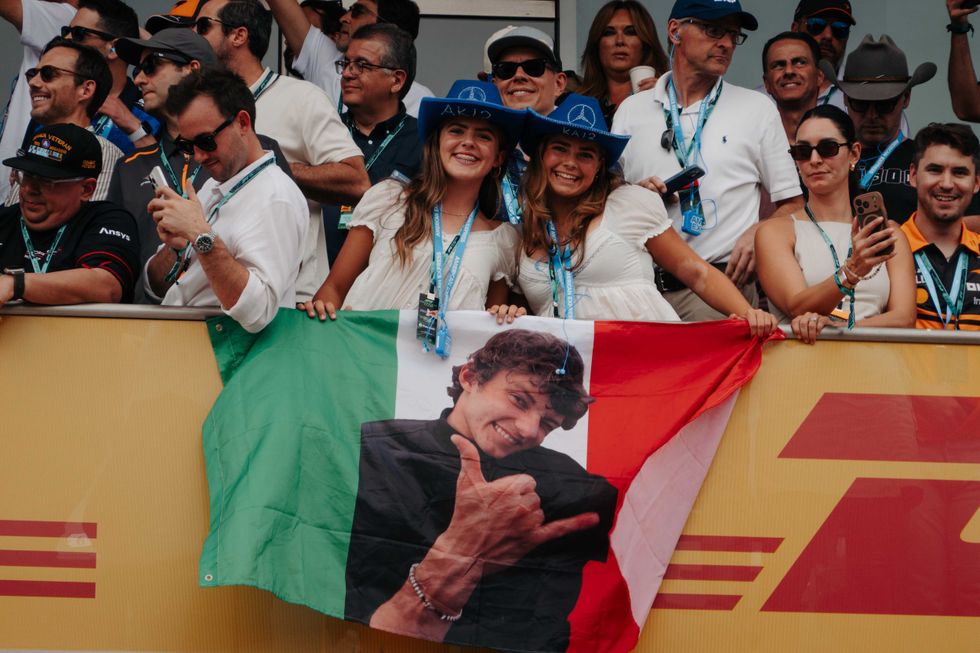 These fans knew Kimi Antonelli would win.Photo by Amber Heckler
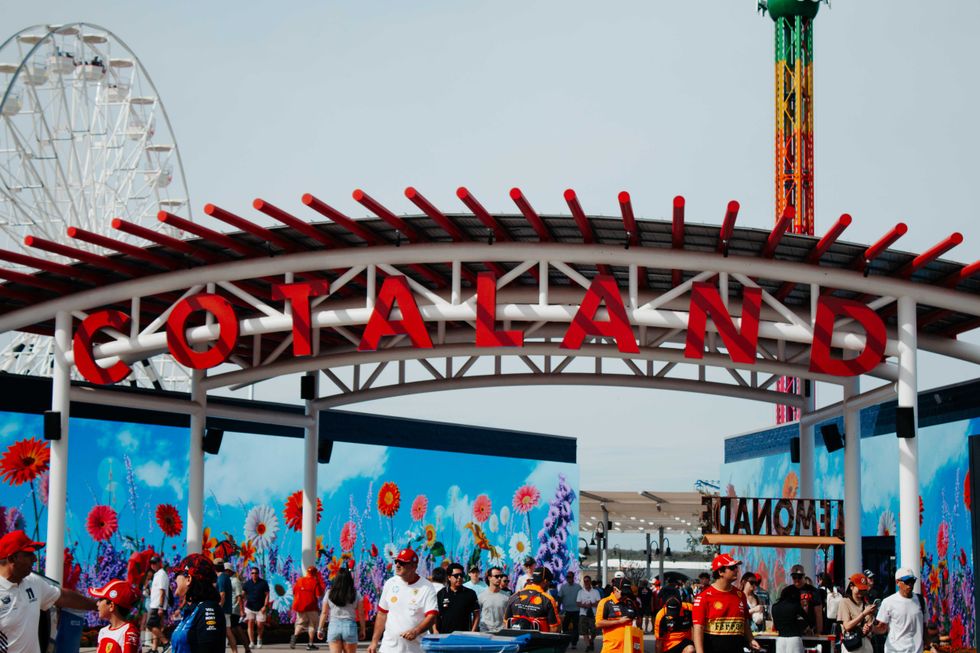 Brightly lit LED screens displayed wildflowers at the COTALand entrance.Photo by Amber Heckler


