Live music is headlining our agenda for the days to come. Catch Dropkick Murphys in concert or experience the 20th Texas Songwriters Hall of Fame Awards. Sounds continue on the stage with performances of the Broadway musical Hadestown and at the festive Koblenz Karneval hosted by Austin Beerworks. Check out the top seven things to do in Austin this weekend. For a complete list of events, click over to our calendar.
Thursday, February 19
ACL Live presents Dropkick Murphys in concert
Celtic punk band Dropkick Murphys plays a show at Austin City Limits Live. The group comes to Austin in support of their new album, For The People. Since their debut in 1996, the band is known for their signature high-volume shows and their energetic top songs including “Rose Tattoo” and “I’m Shipping Up to Boston.” Tickets are available now.
Photo by Evan Zimmerman for MurphyMade
Friday, February 20
The Superfair
Fair Market hosts a weekend art sale showcasing the work of more than 80 independent artists’ original work. Guests can explore and shop pieces starting at $100. Kickoff the Superfair festivities with a Neon Cowgirl bash with DJ Chorizo Funk and Dan Dougherty of the Austin Boogie Crew on opening night. Purchase a premium ticket for admission to a private event at Carpenter Hotel, custom totes, and more. Get tickets, an exhibitor list, and more details on the event website.
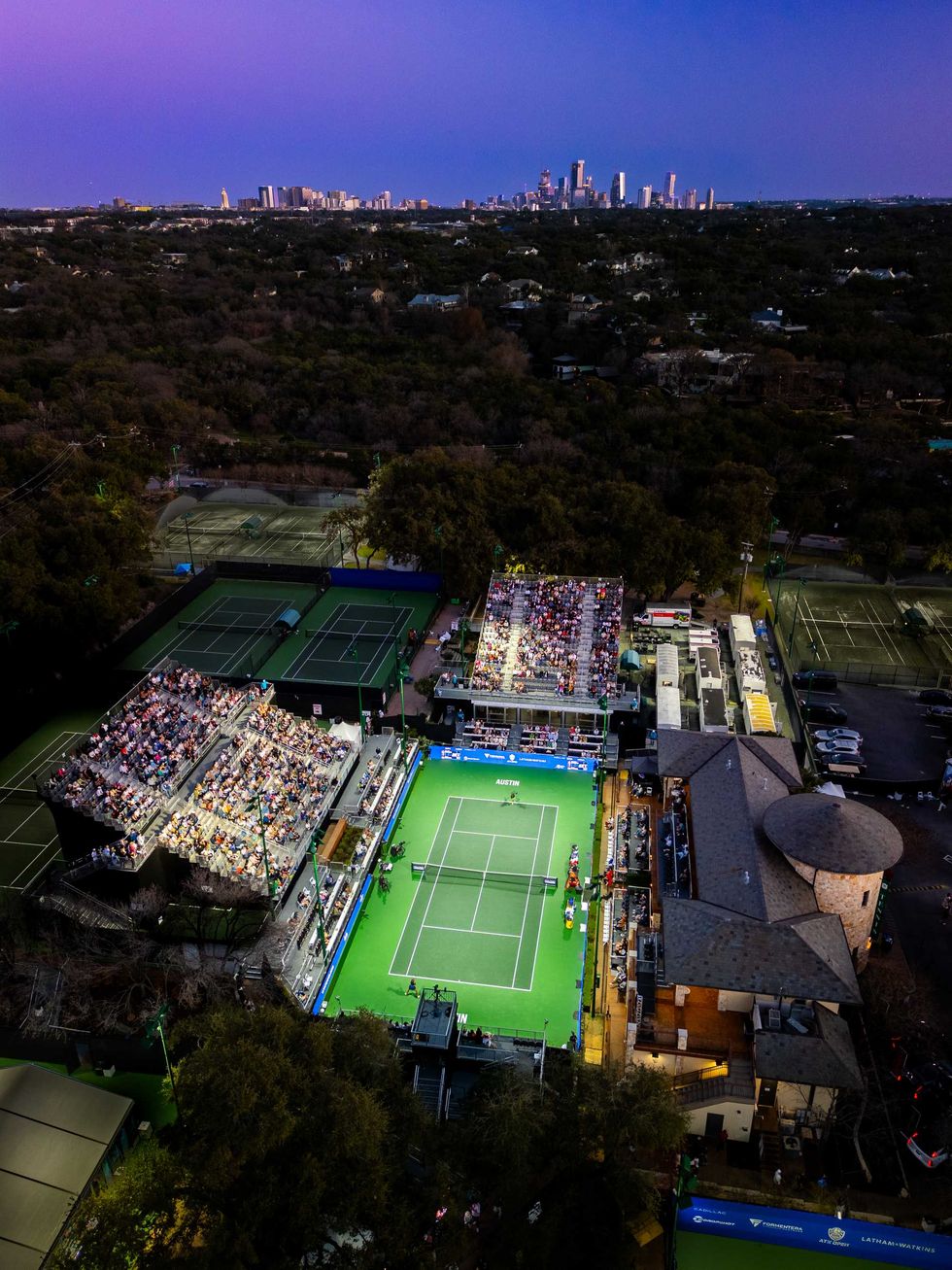
DropShot LLC & Women’s Tennis Association present ATX Open
Austin’s premier professional tennis tournament returns to Westwood Country Club. Fans can enjoy world-class women’s tennis matches as part of the U.S. 2026 tour calendar. The competition event will feature players including reigning champion Jessica Pegula, University of Texas alum Peyton Stearns, Grand Slam quarterfinalist Ajla Tomljanović, and American star Iva Jovic. ATX Open games continue through March 1. Tickets are available now.
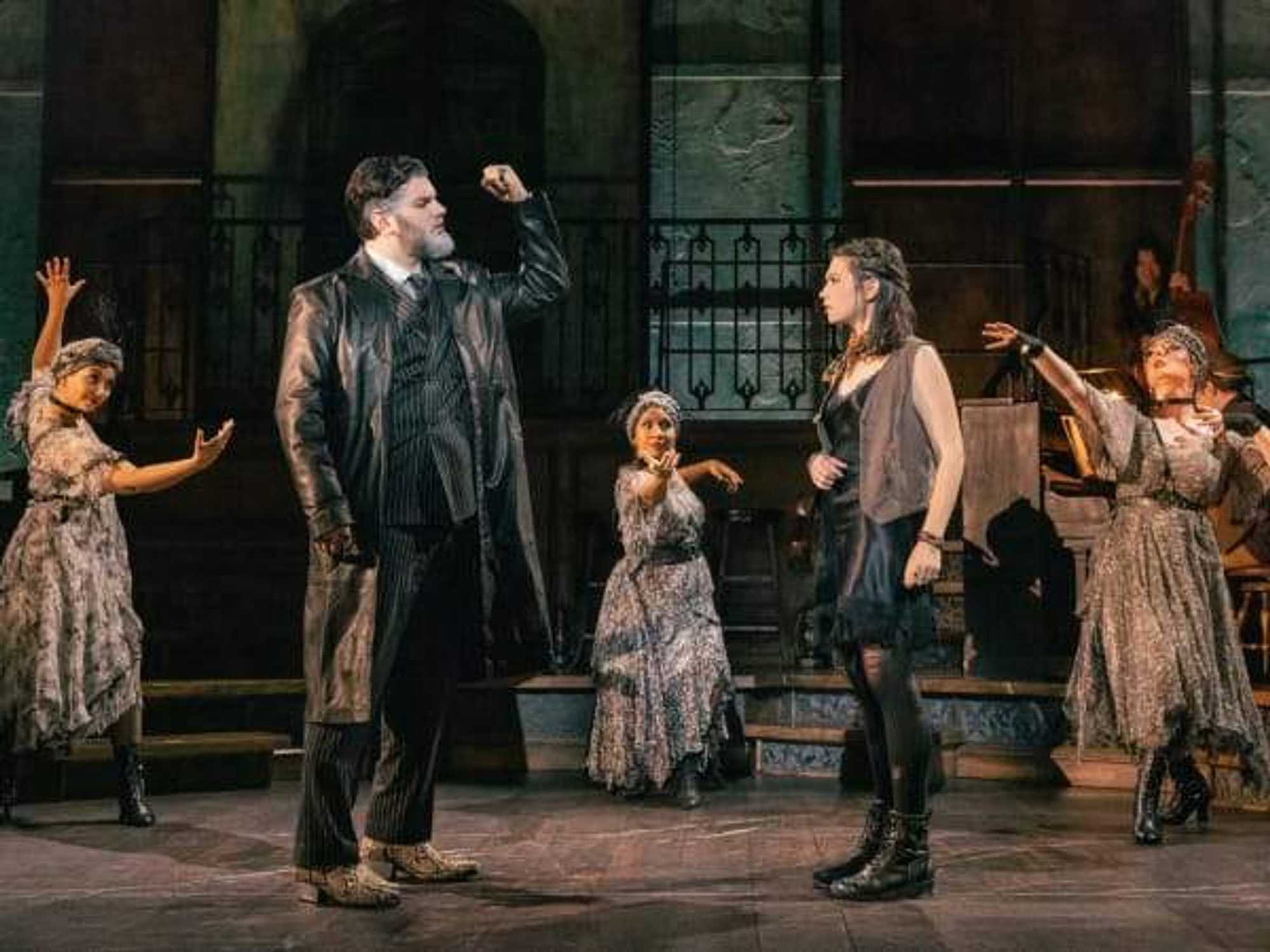
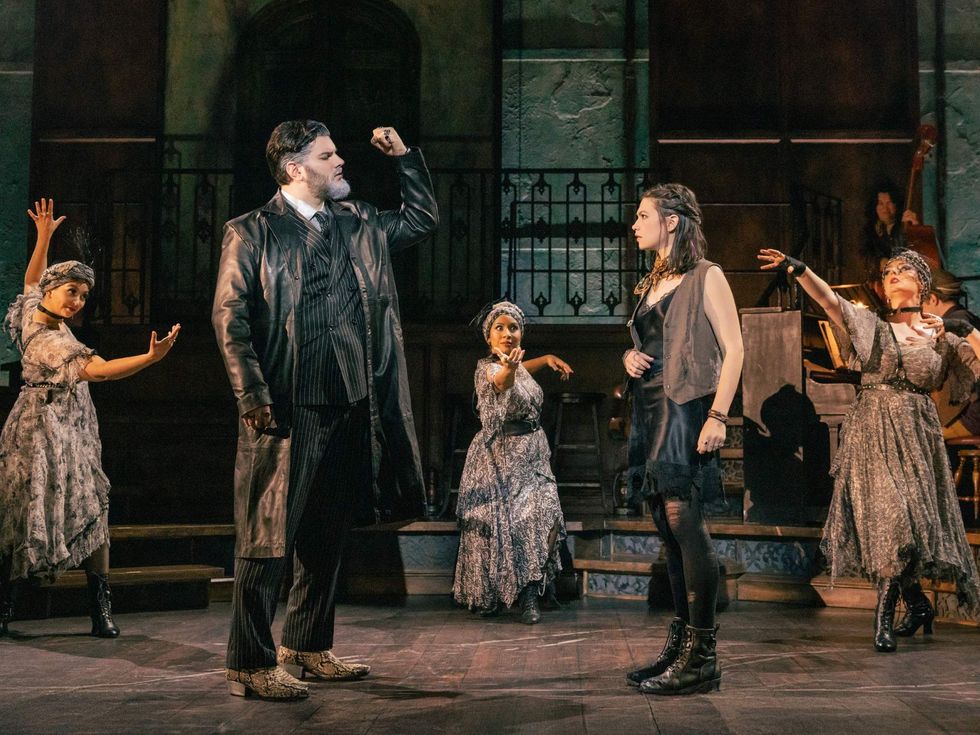
Broadway in Austin presents Hadestown
Experience a love story between some of Greek mythology’s most tragic lovers at Bass Concert Hall. This Tony Award-winning production features music by singer-songwriter Anaïs Mitchell and a performance by an ensemble of actors, dancers, and singers. Shows are scheduled through February 22.
Saturday, February 21
Gimme Beauty presents Dream Curl Collection Pop-Up
Haircare brand Gimme Beauty presents their new Dream Curl Collection at Toasty Badger. This exclusive and free pop-up will feature breakfast bites, coffee, a photobooth, and products from the new collection available to sample.The first 75 guests will get a complimentary goodie bag full of Gimme Beauty merch. RSVP in advance to reserve your spot.
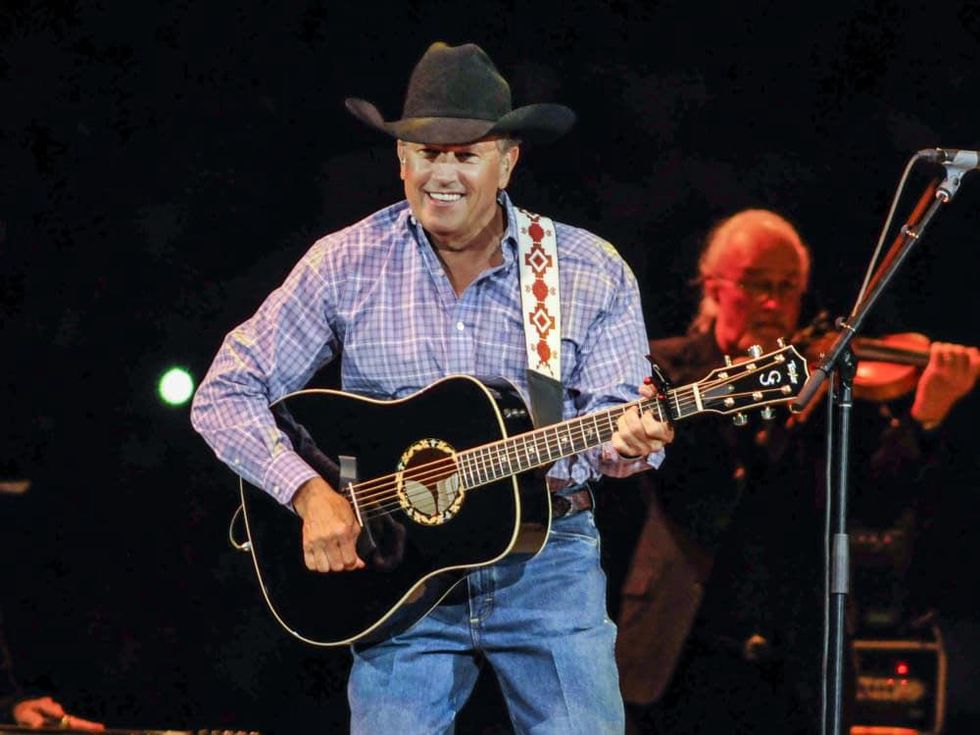
2026 Texas Songwriters Hall of Fame Awards
The Texas Heritage Songwriters Association celebrates the 20th anniversary of its Texas Songwriters Hall of Fame Awards at Austin City Limits Live. Four music artists will be inducted into the Hall of Fame including Don Cook, Keith Gattis, Miranda Lambert, and George Strait. This special evening will include live performances, memorable moments in Texas music history, and a program that shines the spotlight on songwriters from the Lone Star State. Tickets are on sale now.
Sunday, February 22
Austin-Koblenz Sister Cities presents Koblenz Karneval
Austin Beerworks in Sprinkle Valley hosts a day of German-inspired activities for all ages to enjoy. Koblenz Karneval highlights include authentic German Karneval music, live performances by the Austin Männerballett, sing-alongs, a costume contest, and group dancing. Guests can also enjoy beer available for purchase, food trucks onsite, and German-style Krapfen available for donation. Karneval admission is free and open to the public.