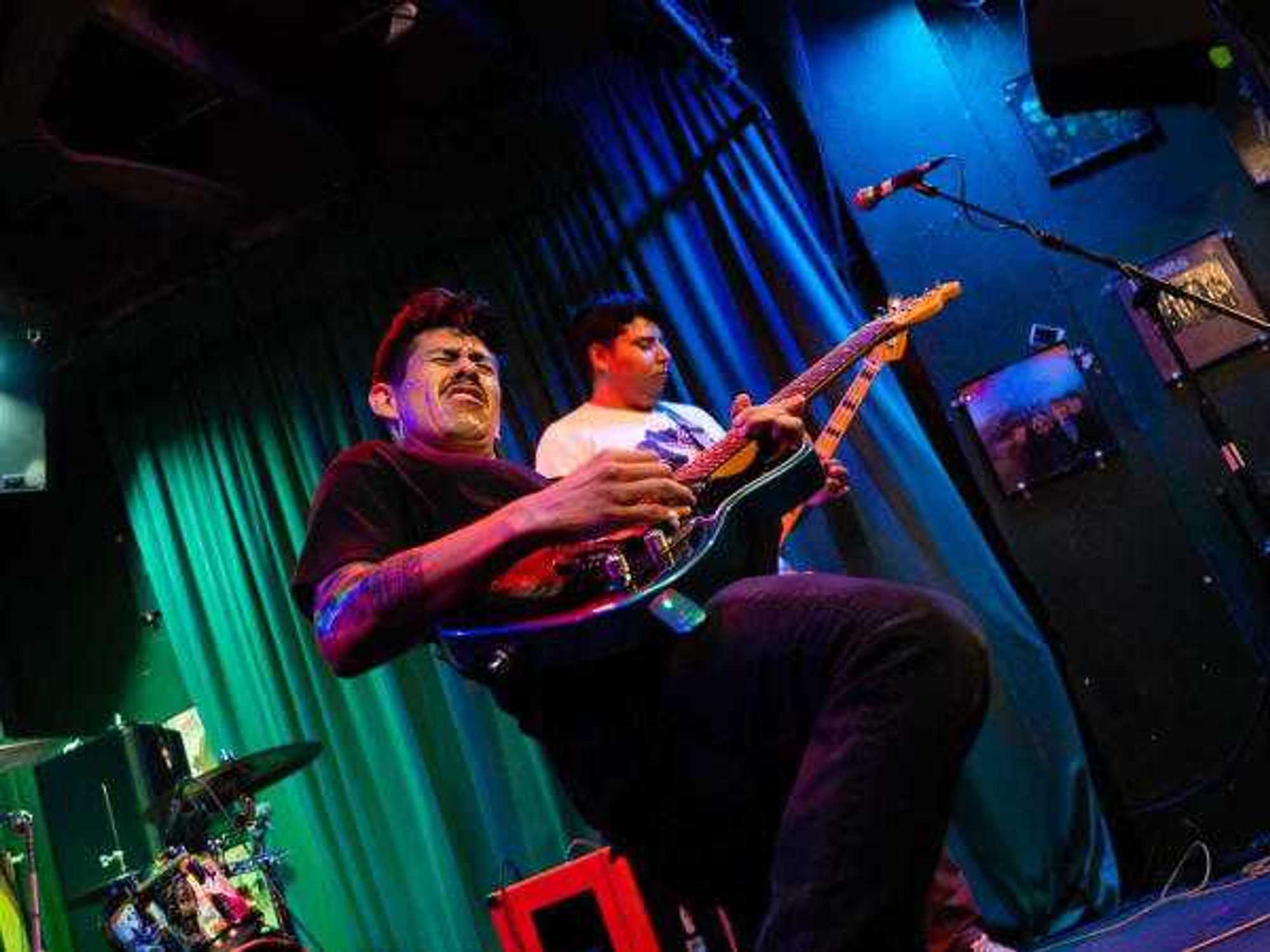
Some City of Austin entities and local groups are coming together to form a "task force" to watch over the Red River Cultural District (RRCD), a strip of downtown venues that platform mostly local artists and have near-constant music programming.
A message from Austin Mayor Kirk Watson on the City of Austin Council Message Board acknowledges that the City has not previously spared RRCD from its precarious position in which venues are closing and the future looks uncertain.
"For decades, the City of Austin has been committed to sustaining and improving the Red River community. Even with commitment, we aren't where we want to be or should be," wrote Watson.
At the same time, he also emphasized that Old Austin is a thing of the past.
"The easiness of old Austin isn’t the reality of new Austin, and we must avoid doing a disservice to the Red River district by holding on to 'the good old days' as tight as we can," he wrote.
Watson and councilmember Zo Qadri compiled a task force to be led by downtown strategy officer Jonathan Stone. Other members include Austin Economic Development, Austin Arts, Culture, Music & Entertainment (ACME), the Austin Planning Department, Red River Cultural District, the Downtown Austin Alliance (DAA), the Music Venue Alliance, Rally Austin, the Pecan Street Owners Association, Downtown Austin Neighborhood Association (DANA), Waterloo Greenway.
According to the mayor's message, the task force's job is to "preserve a quality cultural district and encourage economic vitality in the area." It will ultimately deliver a series of directives to take action on.
An official statement by RRCD executive director Nicole Klepadlo, on behalf of the nonprofit representing the neighborhood, thanks Watson and Qadri for listening to the community.
In an open letter posted in September, the RRCD asked the City to take action on a series of recent closures. It named Koriente, Feels So Good, Empire Control Room & Garage, Marlow, and Valhalla, and pointed out that Elysium and The 13th Floor were at risk after the building housing both was listed for sale. The open letter didn't specifically ask for a task force; instead, it asked the City to work on projects it had already committed to.
“We're encouraged by the City's commitment to working collaboratively toward solutions that recognize the cultural and economic value of Red River, including the very people who make it thrive," she said. She later added, "Our hope is that together, we can build a future where Austin's independent music venues and cultural spaces aren't simply fighting to survive, but have the support and protections they need to flourish for generations to come.”